Understanding Bull Traps in Financial Markets
Finance

Understanding Bull Traps in Financial Markets

authorBy Fareed Zakaria
DateJul 22, 2026
Read time2 min

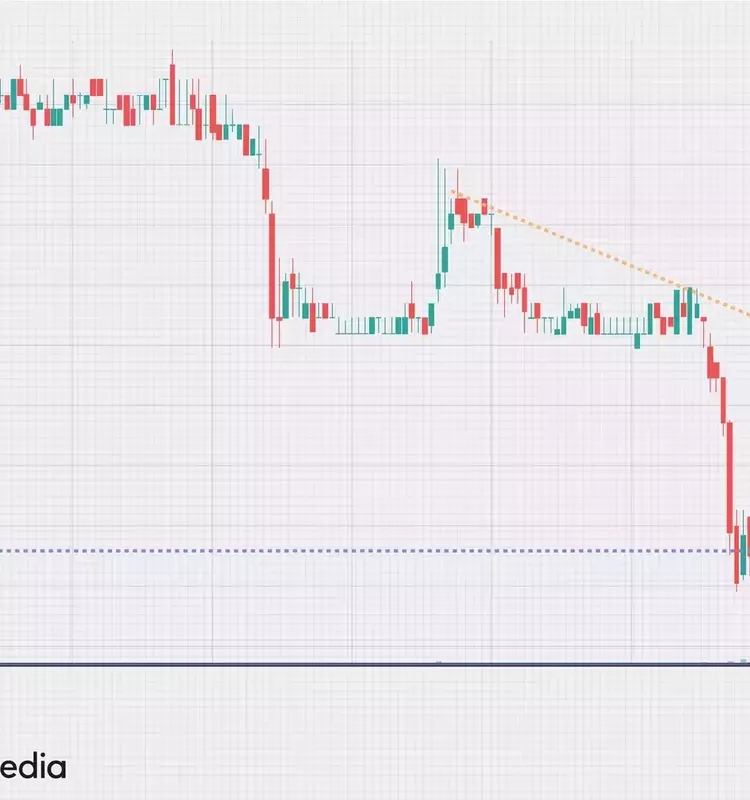
A bull trap represents a misleading indicator in financial markets, tricking investors into believing a downtrend has reversed. This occurs when a stock or market index shows a sudden, strong upward movement, breaking above a key resistance level, only to quickly fall back, ensnaring those who bought into the supposed rally. Essentially, it's a false breakout that lures in buyers before collapsing.

Traders can safeguard against these deceptive market movements by carefully scrutinizing breakout confirmations. For instance, a genuine rally typically exhibits higher-than-average trading volume and is accompanied by strong bullish candlestick patterns. Conversely, low volume and indecisive candlestick formations, such as a doji star, often serve as red flags, signaling a potential bull trap. From a psychological perspective, bull traps often materialize when the momentum behind a rally is insufficient, or when early profit-takers exert selling pressure, pushing prices back below resistance levels and triggering stop-loss orders.

An illustrative scenario of a bull trap might involve a security that has hit a new annual low. It then stages a sharp recovery, driven by high trading volume, reaching a significant trendline resistance. Many market participants, anticipating a continued upward trajectory, might enter long positions. However, if the security fails to sustain its ascent and reverses sharply from the resistance, those who bought in are left with rapid losses unless they have implemented stringent risk management. Employing stop-loss orders is a critical strategy to limit potential damage, enabling traders to exit positions swiftly if a bull trap is suspected, thus preventing emotional decisions from compounding losses.

Navigating financial markets requires continuous learning and a disciplined approach. By understanding phenomena like bull traps and adopting robust risk management techniques, investors can protect their capital and make more informed decisions, fostering a more resilient and growth-oriented investment journey.

More Articles
Finance
Novartis: A Renewed Case for Investment
Novartis AG concluded its second quarter on a strong note, demonstrating robust performance despite a decrease in sales for its heart failure medication, Entresto. The company's oncology division, particularly with its drug Pluvicto, showed impressive growth, reinforcing confidence in its financial outlook. This positive performance has led to an upgraded stock rating for Novartis, signaling a favorable investment opportunity.
By Strive MasiyiwaJul 22, 2026
Finance
Ariel Small Cap Value Concentrated Q2 2026 Portfolio Review
Ariel Investments' Small Cap Value Concentrated Composite saw a +12.94% gross return (+12.78% net) in Q2 2026, trailing the Russell 2000 Value and Russell 2000 Indices. Key performers included Generac Holdings, driven by strong commercial demand and data center growth, and Madison Square Garden Entertainment, which saw gains from concert strength and rising sponsorship. Conversely, Core Laboratories faced declines due to geopolitical tensions and reduced U.S. drilling activity.
By Nouriel RoubiniJul 22, 2026
Finance
Navigating the Market: AI, Earnings, and Geopolitical Tensions
This article examines the current market landscape, focusing on the impact of cooling inflation and robust consumer spending, which are directing investor attention towards corporate earnings. It highlights the upcoming earnings reports from major tech companies, particularly concerning AI spending trends, and discusses potential risks from rising oil prices and Middle East tensions.
By Robert KiyosakiJul 22, 2026
Finance
New Fed Leadership and Market Dynamics: A Supply-Side Approach to Monetary Policy
The second quarter saw a significant advance in the S&P 500, primarily driven by AI beneficiaries, highlighting narrow market leadership. This article explores how Kevin Warsh's supply-side approach to monetary policy at the Federal Reserve, focusing on maximizing productive capacity and using real-time data, is influencing market expectations for inflation and interest rates. Bond markets are signaling confidence in controlling inflation and anticipating potential rate adjustments.
By David RubensteinJul 22, 2026
Finance
Market Trends and S&P 500 Outlook
Technology and AI stocks, after experiencing significant downturns, are now showing more attractive valuations, drawing renewed investor attention. Historical data indicates that specific bullish market patterns typically lead to positive returns for the S&P 500, a trend currently observed. Furthermore, previous periods of Federal Reserve rate cuts from high levels have often coincided with continued S&P 500 growth. These combined factors suggest a strong likelihood of the S&P 500 reaching new all-time highs by the end of the year, driven by both fundamental economic indicators and consistent market behaviors.
By Nouriel RoubiniJul 22, 2026