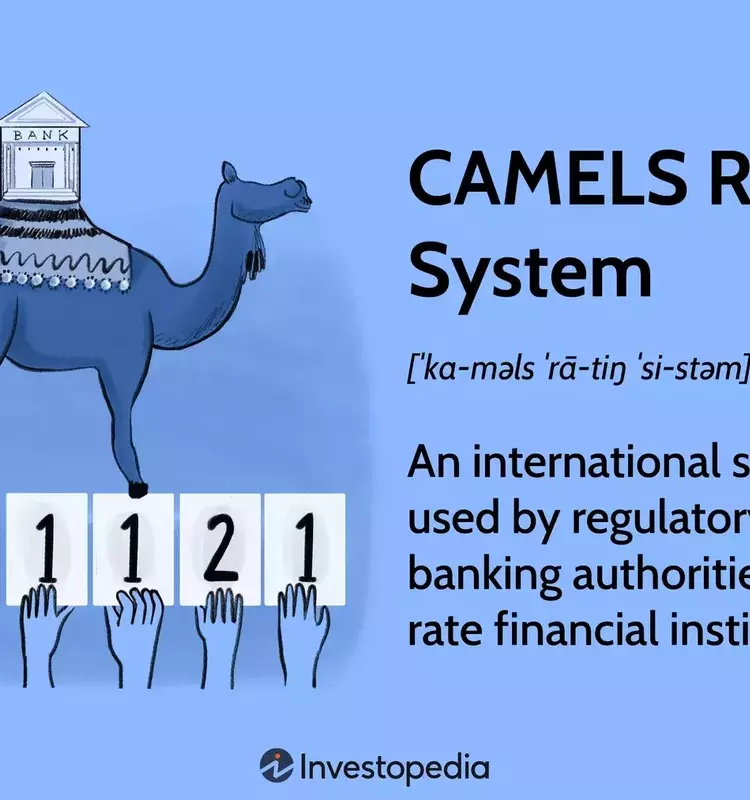
The CAMELS rating framework serves as a critical diagnostic tool employed by banking regulators worldwide to gauge the overall robustness and stability of financial entities. This system scrutinizes six pivotal areas: capital strength, asset quality, management effectiveness, earning capacity, liquidity levels, and susceptibility to market fluctuations. Each of these components receives a numerical grade from 1 to 5, where a lower number signifies superior performance and a higher number indicates areas needing improvement. This standardized assessment enables regulatory bodies to pinpoint institutions that may require more stringent oversight due to identified weaknesses.
A core principle of the CAMELS system is its ability to highlight potential risks within banks, prompting timely intervention to rectify issues. Institutions consistently achieving an average score below 2 are generally regarded as financially sound and well-managed, often leading to reduced regulatory scrutiny. Conversely, those with scores exceeding 3 are flagged as underperforming, typically triggering increased regulatory examinations and demands for corrective actions. The individual components of the CAMELS acronym—Capital Adequacy, Asset Quality, Management, Earnings, Liquidity, and Sensitivity—collectively form a comprehensive picture of a bank's operational and financial resilience.
Capital adequacy measures a bank's capacity to absorb potential losses and comply with regulatory capital requirements. Examiners meticulously review capital trends, adherence to risk-based net worth mandates, and practices related to interest and dividend distributions. Asset quality delves into the risk associated with an institution's loan and investment portfolios, balancing these risks against its earning potential to determine overall stability. Management assessment evaluates the competence of leadership in identifying, mitigating, and controlling risks within daily operations, ensuring compliance with both internal policies and external regulations. Earnings reflect a bank's profitability and its ability to sustain growth, remain competitive, and adequately compensate shareholders, with examiners analyzing earnings trends, net margins, and the quality of existing assets. Liquidity examines an institution's capacity to meet its short-term financial obligations by assessing interest rate risk, the availability of easily convertible assets, and dependence on volatile funding sources. Finally, sensitivity evaluates how market risks, such as exposure to foreign exchange, commodities, equities, and derivatives, can impact an institution's financial health, along with its management of credit concentrations across various sectors.
This rigorous evaluation system extends beyond traditional banks to encompass other financial institutions, including credit unions, which are also subject to CAMELS ratings. Strong earnings are vital for banks to build capital, maintain operations, and distribute dividends, underscoring their importance in the overall assessment. A deficiency in liquidity can leave a bank vulnerable, potentially leading to defaults or even bankruptcy if it cannot readily convert assets into cash to cover liabilities. Therefore, the CAMELS framework serves as an indispensable tool for regulators and stakeholders alike, providing a transparent and consistent method to gauge financial stability and foster a healthy banking sector by encouraging proactive risk management and continuous improvement.
