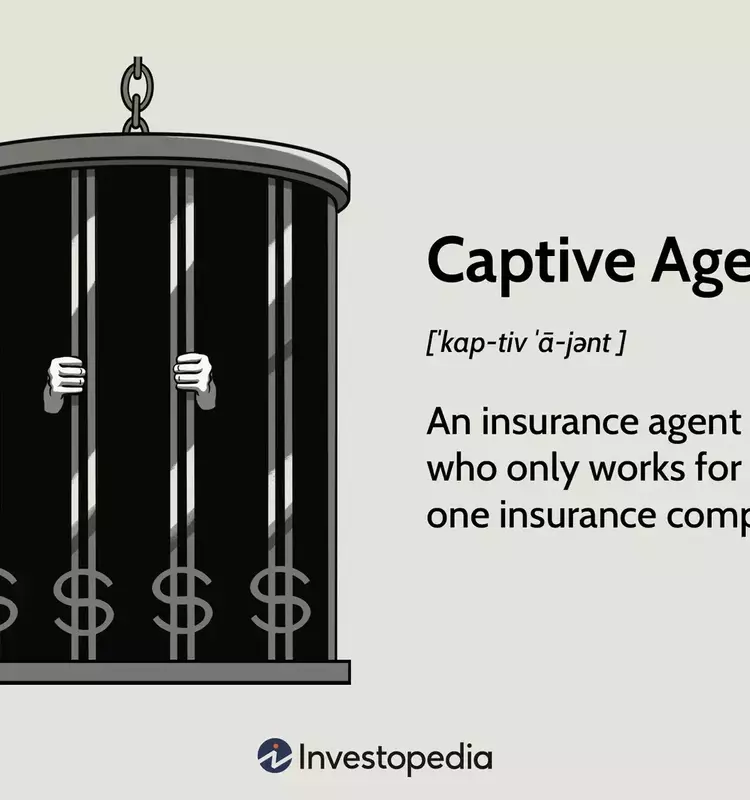
Captive insurance agents operate exclusively for a singular insurance provider, offering only that company's specific array of products. This structure presents both notable benefits and inherent limitations for these professionals.
The Intricacies of Captive Insurance Agents
In the expansive realm of insurance, professionals typically align themselves either as captive agents or independent agents. A captive agent commits solely to one insurance enterprise, receiving compensation that often combines a fixed salary with sales commissions, alongside comprehensive employee benefits. They can be either full-time staff or independent contractors, yet their operational scope remains confined to the offerings of their singular employer. In stark contrast, independent agents possess the flexibility to collaborate with multiple insurance firms, enabling them to present a broader spectrum of policies from various providers. This fundamental distinction shapes their approach to client service and career trajectory.
Captive agents cultivate an in-depth understanding of their company's insurance products due to their exclusive focus. However, this specialization limits their ability to assist clients whose needs fall outside their company's specific product range. Historically, parent companies may have influenced captive agents to prioritize selling particular policies or achieving sales targets, potentially at the expense of offering the most suitable option for the client. Independent agents generally offer clients a wider selection of policies, better tailoring solutions to individual needs. The primary drawback for an independent agent is often a less specialized knowledge of any single company's specific product line.
Despite these limitations, captive agents frequently excel in delivering exceptional client service. Their operational framework allows them more time to build strong client relationships, thoroughly assess needs, and provide dedicated support. This emphasis on personalized service is increasingly valued in today's digital-first insurance landscape, where direct, human interaction can be a rarity.
Pros and Cons of Captive Agency
For an agent, the independent model offers potential for a more diverse income stream, but also carries greater risks, including the necessity of providing one's own startup capital, covering business expenses, and arranging benefits. Establishing an independent agency demands entrepreneurial effort, involving the creation of a business and the forging of partnerships with various insurance providers.
Conversely, captive agents enjoy significant operational ease and financial stability. Their parent company typically covers startup costs, provides office space, administrative support for paperwork, ongoing professional development, performance bonuses, and leverages a substantial national advertising budget. This extensive support system significantly reduces the financial burden and administrative complexities often faced by independent agents. Furthermore, captive agents frequently receive comprehensive lists of potential clients generated through company advertising efforts, directing consumers to local representatives.
Captive agents typically receive a salary alongside commissions and are enrolled in company benefits programs. This differs from independent contractors, who usually rely solely on commissions and are responsible for securing their own benefits. However, a significant drawback for captive agents is the binding nature of their contracts and obligations to their employer, which can restrict their business practices. They may be pressured to meet sales quotas, even if the offered products are not the most competitive or beneficial for clients. Consequently, a captive agent's primary objective often shifts from prioritizing client well-being to boosting company sales, potentially limiting their ability to recommend truly optimal solutions.
A Journalist's Perspective on Insurance Agency Models
The distinction between captive and independent insurance agents reveals a fascinating dynamic within the financial services sector. While the captive model offers stability and robust corporate support, it inherently constrains an agent's ability to truly act as an unbiased advocate for their client. In an increasingly complex financial world, where individual needs are diverse and solutions multifaceted, the independent agent, with their freedom to scour the market for the best fit, seems to offer a more client-centric approach. This highlights a broader ethical question in sales-driven industries: does the pursuit of corporate targets always align with the best interests of the consumer? It challenges us to consider which model truly empowers the client, and which primarily serves the institution.
