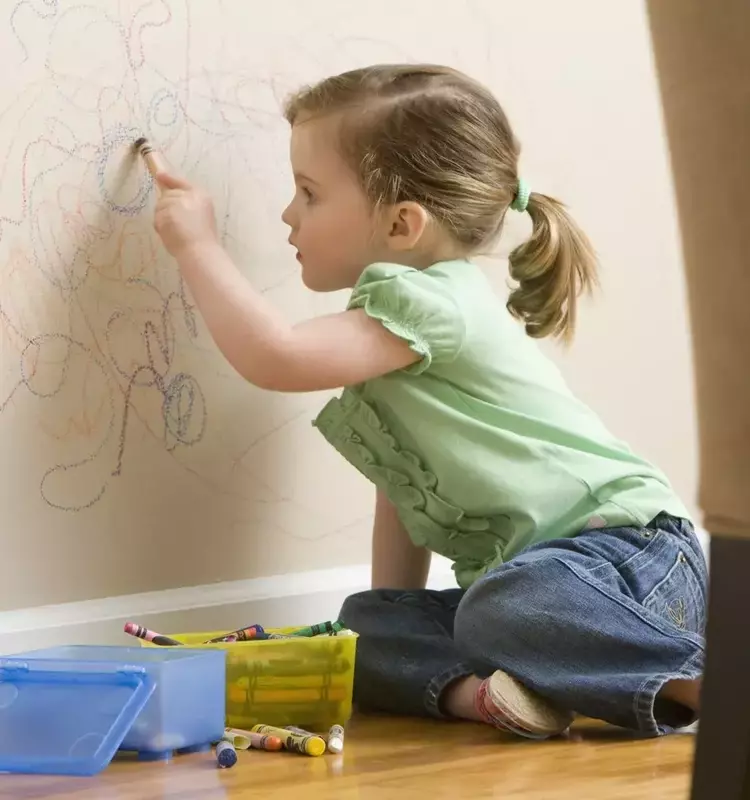
Children frequently use their actions to convey their inner world, whether it's expressing emotions they can't yet articulate or signaling needs that remain unfulfilled. Every action, in essence, is a form of communication. When children display challenging behaviors, it's often a sign that there's a deeper motivation at play. This article delves into ten common, sometimes surprising, reasons behind children's misbehavior, offering parents guidance on how to navigate these situations with greater understanding and confidence.
Understanding the Dynamics of Childhood Misconduct
In the vibrant tapestry of childhood, moments of challenging behavior are not uncommon. These instances, often observed in various settings, from home to social gatherings, frequently stem from a child's inherent need for connection or attention. For example, a young child might resort to tantrums, whining, or even provoking a sibling when they perceive themselves as being overlooked, such as when a parent is engrossed in a phone conversation or engaging with other adults. It's crucial for caregivers to recognize that even negative reactions from adults can be interpreted by a child as a form of attention. Thus, a strategic approach involves consciously overlooking minor infractions, provided no harm is being done, and instead, actively acknowledging and rewarding positive choices. This method has proven to be remarkably effective in reducing behaviors driven by attention-seeking.
Furthermore, children are keen observers and natural imitators. They frequently mirror behaviors they witness, whether from peers or characters in media, often without fully grasping the implications. To counteract the adoption of undesirable behaviors, it's beneficial to regulate their exposure to aggressive content and, more importantly, to consistently model the behaviors one wishes to see. Demonstrating healthy interactions and constructive decision-making provides children with a practical guide for navigating various social scenarios.
A significant aspect of a child's social and emotional growth involves testing limits. When rules are established, children naturally probe these boundaries to understand their extent and the repercussions of overstepping them. This explorative behavior, though sometimes frustrating for parents, is a normal developmental stage. Consistency in enforcing limits and consequences is paramount. If children believe there's a possibility of circumventing rules without consequence, they are more likely to attempt it. Establishing clear, natural, or logical consequences directly linked to their choices effectively diminishes their motivation to disregard established boundaries.
Another common source of misbehavior is a deficit in crucial skills. A child lacking age-appropriate social or communication abilities might lash out physically when desiring a toy, or struggle with tidying their room due to underdeveloped problem-solving skills. In such cases, the focus should shift from punishment to education. Guiding them through alternative actions, such as asking for a turn or breaking down tasks into manageable steps, empowers them to learn from mistakes and adopt more constructive behaviors.
The drive for independence also fuels many challenging behaviors, particularly as children mature. Preschoolers may assert new abilities, while teenagers might rebel to demonstrate autonomy. Providing controlled opportunities for choice, such as allowing a preschooler to choose between water or milk, or a teenager to decide when chores are completed before screen time, can satisfy their need for independence while maintaining parental guidance.
Children often experience intense emotions that they struggle to manage, leading to outbursts when feeling angry, excited, stressed, or bored. Teaching them to identify and articulate these 'big' feelings and equipping them with healthy coping mechanisms can significantly reduce emotional eruptions and foster emotional intelligence.
Unmet basic needs are another frequent cause of misbehavior. Toddlers and preschoolers, in particular, may act out when hungry, tired, overstimulated, or unwell, as they lack the vocabulary to express their discomfort. Proactive parenting, involving keen observation of emotional cues and direct inquiry about their feelings, can prevent meltdowns by addressing these needs promptly.
Finally, misbehavior can be a learned response if it consistently yields desired outcomes. A child who learns that whining leads to parental capitulation will continue this behavior. Therefore, maintaining consistency, setting clear expectations, and avoiding the reinforcement of undesirable behaviors are essential for teaching children that inappropriate actions do not lead to positive results. Should persistent behavioral issues arise, especially those suggestive of underlying mental health conditions or neurodivergence, consultation with a pediatrician or a licensed mental health professional is advisable for proper evaluation and support.
Reflecting on the myriad reasons why children misbehave, it becomes evident that effective parenting is less about imposing strict discipline and more about profound understanding and proactive engagement. The journey of guiding a child through their developmental stages is filled with opportunities to teach, empathize, and foster resilience. By consciously shifting our perspective from merely reacting to misbehavior to thoughtfully interpreting its underlying messages, we can cultivate environments where children feel understood, empowered, and equipped to navigate their complex emotional landscapes. This approach not only resolves immediate behavioral challenges but also lays the groundwork for emotionally intelligent, independent, and well-adjusted individuals.
