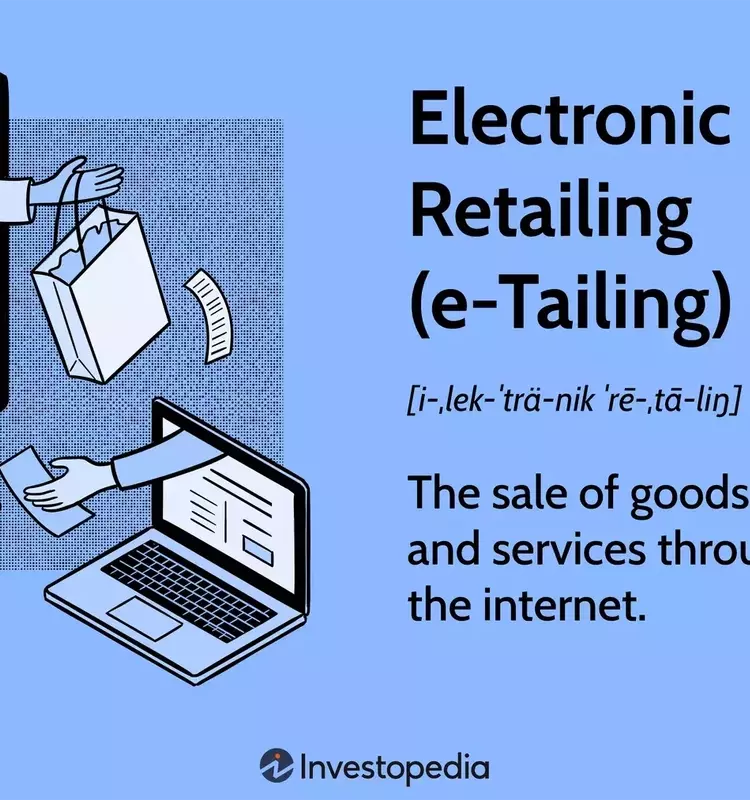
Electronic retailing, widely known as e-tailing, encompasses the online exchange of products and services between businesses and consumers (B2C) as well as between businesses themselves (B2B). This digital commerce model necessitates a tailored business approach, often involving robust distribution networks, engaging online platforms, and advanced data analytics. While offering considerable cost efficiencies and broader market reach, e-tailing also grapples with challenges such as initial investment, logistical complexities, and the absence of tangible sensory experiences for customers.
The Evolution of Digital Commerce: E-tailing in Detail
In the dynamic realm of modern commerce, electronic retailing has emerged as a transformative force, reshaping how goods and services are bought and sold. At its core, e-tailing refers to the practice of conducting retail transactions over the internet, serving both individual consumers and other businesses. This paradigm shift requires companies to meticulously adapt their operational frameworks to harness the full potential of online sales channels. Key elements include the establishment of sophisticated distribution networks, such as strategically located warehouses and efficient shipping centers, alongside the development of intuitive and visually appealing e-commerce websites. Notable global players like Amazon and Alibaba exemplify the successful implementation of such models, underscoring the critical role of strong distribution capabilities in ensuring prompt product delivery to customers.
The operational mechanisms of e-tailing are multifaceted, typically featuring user-friendly websites, innovative online marketing strategies, streamlined distribution processes, and insightful customer data analytics. Successful e-tailers prioritize brand building, ensuring their online presence is not only engaging and easy to navigate but also regularly updated to meet evolving consumer preferences. Products and services must distinctly stand out and deliver tangible value. Furthermore, maintaining competitive pricing is paramount to retain customer loyalty in a crowded digital marketplace. Efficient distribution channels are crucial, as consumers increasingly expect swift and reliable deliveries. Additionally, transparent business practices are vital for fostering trust and long-term relationships with customers.
E-tailers generate revenue primarily through the sale of products to consumers or businesses. Both B2C and B2B enterprises can also leverage subscription-based models, offering access to services for a recurring fee, as demonstrated by media content providers. Beyond direct sales, online advertising serves as another significant revenue stream, with platforms like Meta (formerly Facebook Inc.) generating substantial income from businesses seeking to market their offerings to a vast online audience.
Diverse Facets of E-Tailing: B2C and B2B Models
The landscape of e-tailing is broadly categorized into two primary models: Business-to-Consumer (B2C) and Business-to-Business (B2B).
- Business-to-Consumer (B2C) E-Tailing: This is the most prevalent form of e-commerce, familiar to the majority of internet users. It involves companies directly selling finished products or services to individual consumers via their websites. Fulfillment typically occurs from the company's own warehouses or directly from manufacturers. A cornerstone of successful B2C operations is nurturing positive customer relationships.
- Business-to-Business (B2B) E-Tailing: This model focuses on transactions between businesses. It encompasses a diverse array of entities, including consultants, software developers, freelancers, and wholesalers. Wholesalers, for instance, sell products in large quantities from their manufacturing facilities to other businesses, which then retail these products to consumers. This signifies a symbiotic relationship where B2B companies often serve as crucial suppliers to B2C enterprises.
Evaluating the Digital Retail Landscape: Advantages and Disadvantages
E-tailing is not confined solely to online-native companies; an increasing number of traditional brick-and-mortar stores are strategically investing in this digital channel. A significant advantage of e-tailing is its reduced infrastructure costs compared to operating physical retail outlets. Online platforms enable companies to distribute products more rapidly and reach a far wider customer base than traditional physical locations. This also facilitates the consolidation of physical stores, allowing companies to close less profitable ones while sustaining successful operations.
Automated checkout systems in e-tailing significantly reduce staffing requirements, and the cost of establishing and maintaining a website is generally lower than that of a physical store. Furthermore, e-tailing can lower advertising and marketing expenses, as customers often discover online stores through search engines or social media. The application of data analytics is invaluable for e-tailers, providing deep insights into consumer shopping behaviors, page views, and engagement durations. Effective data analytics can mitigate lost sales and enhance customer engagement, ultimately driving revenue growth.
However, e-tailing also presents its own set of disadvantages. While generally more cost-effective than physical stores, building and maintaining a sophisticated e-tailing website can still incur substantial expenses. Significant infrastructure investments might be necessary for constructing warehouses and distribution centers to manage inventory and shipping efficiently. Additionally, managing online returns and customer disputes requires dedicated resources.
Crucially, e-tailing often lacks the rich, multisensory experience inherent in physical stores. Consumers cannot physically interact with products—smell, feel, or try them on—before making a purchase. These sensory experiences frequently play a pivotal role in purchasing decisions, and in-person browsing often enhances customer enjoyment and encourages increased spending. Personalized customer service and direct human interaction are also distinct advantages that brick-and-mortar stores can offer.
Global Leaders in E-Tailing: Inspiring Success Stories
Two prominent examples illustrate the immense potential and varied strategies within the e-tailing sector:
- Amazon.com (AMZN): As the world's largest online retailer, Amazon offers an extensive range of products and subscription services. In 2019, the company reported revenues exceeding $280 billion and profits surpassing $11.6 billion. Other e-tailers like Overstock.com and JD.com are significant competitors in this market.
- Alibaba Group (BABA): China's leading e-tailer, Alibaba operates a vast online commerce ecosystem both within China and globally. Its business model ingeniously integrates both B2C and B2B commerce, notably connecting Chinese exporters with international companies. Alibaba's innovative "rural Taobao" initiative further empowers rural Chinese consumers and businesses to sell agricultural products to urban populations. For its fiscal year 2020, Alibaba generated nearly $72 billion in annual revenue, with profits just under $19.8 billion.
These examples highlight the diverse approaches and global impact of successful e-tailing ventures.
From a journalist's perspective, the rise of e-tailing underscores a profound shift in consumer behavior and business strategy. The narrative is one of adaptation and innovation, where companies must constantly evolve their digital presence and logistical capabilities to meet the ever-increasing demands of the online marketplace. The ability to harness data analytics, cultivate strong branding, and establish efficient distribution channels are no longer just competitive advantages but essential survival tools. However, the human element—the desire for sensory engagement and personalized interaction—remains a critical frontier where traditional retail still holds sway. The future of commerce likely lies in a hybrid model that seamlessly integrates the efficiencies of e-tailing with the immersive experiences of physical stores, creating a truly holistic shopping journey for the modern consumer.
