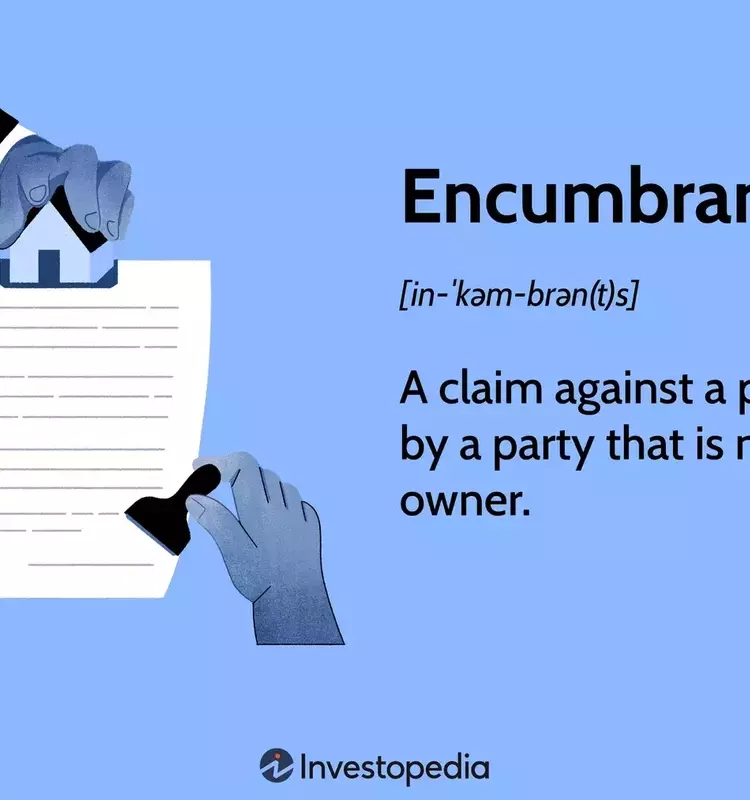
An encumbrance signifies a third-party claim or right that can impact a property's utility or its sale. These claims are particularly prevalent in real estate and can encompass various forms, both financial and non-financial. Grasping the nuances of these restrictions is vital for property owners and prospective buyers to navigate transactions effectively.
An encumbrance represents a constraint on a property, preventing its owner from exercising complete, unburdened control. This can manifest as a financial claim, such as a mortgage, or a non-financial restriction like an easement. These third-party interests can significantly influence a property's marketability and how it can be utilized. For instance, if a property is burdened with an easement, another party has the right to use a portion of it, thereby limiting the owner's exclusive use. Similarly, a lien placed on a property means a creditor has a claim to it, potentially leading to repossession if an outstanding debt is not settled. In some jurisdictions, sellers are legally obligated to disclose all encumbrances to potential buyers, ensuring transparency in real estate dealings.
Different types of encumbrances serve various purposes, primarily to safeguard the interests of multiple parties involved with a property. Easements grant specific rights to use or restrict the use of another's property. An affirmative easement allows a party to use a property in a defined manner, like a utility company running a gas line. Conversely, a negative easement prohibits certain actions, such as a neighbor preventing lawn mowing on specific days. An 'easement in gross' benefits an individual directly rather than a property, meaning the right does not transfer with property ownership. Encroachments, where a structure or feature extends onto an adjacent property, create an encumbrance on both affected properties until rectified. Leases also act as encumbrances, limiting the landlord's use of their property for the duration of the rental agreement.
Financial encumbrances are particularly critical. A lien provides a claimant the right to seize property as security for an unpaid debt. This includes tax liens imposed by governments and mechanic's liens filed by contractors who haven't been paid for services. Mortgages are a common form of lien, where the lender holds an interest in the property's title until the loan is repaid. Should the borrower default, the lender can foreclose. Restrictive covenants are rules embedded in a property deed by the seller, dictating how the buyer can use the property, such as preserving a building's original facade.
In the realm of accounting, the term 'encumbrance' takes on a different but related meaning. It refers to funds set aside to cover anticipated liabilities, ensuring that a business or entity does not overspend its allocated budget. For example, a company might earmark a certain amount of cash to fulfill future payment obligations, like employee salaries. This accounting practice creates a clear distinction between available funds and committed funds, preventing misrepresentation of a company's financial liquidity. This prudent financial management mirrors the careful consideration required in real estate transactions, where understanding all claims against a property is paramount.
To summarize, encumbrances are diverse legal claims or restrictions that impact how a property can be used or transferred. These can range from financial obligations like mortgages and various liens to non-financial limitations such as easements, encroachments, and restrictive covenants. It is essential for anyone dealing with property to conduct thorough due diligence to identify and understand all existing encumbrances, as they can significantly influence the property's value, usability, and the responsibilities of its owner. Being fully informed about these claims allows for sound decision-making and avoids potential legal or financial complications.
