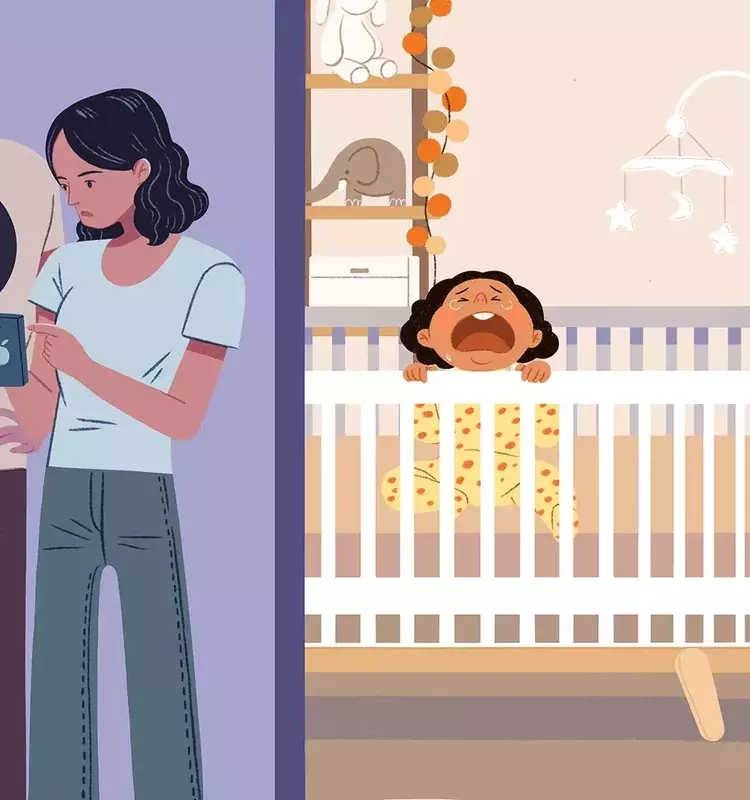
The Ferber Method is a structured approach to infant sleep training that empowers babies to develop self-soothing abilities and achieve independent sleep. This technique, also known as "graduated extinction," was introduced by Dr. Richard Ferber, a distinguished pediatrician and the director of the Center for Pediatric Sleep Disorders at Children's Hospital Boston. His best-selling book, originally published in 1985 and updated in 2006, provides a comprehensive guide to this method, which involves gradually increasing the duration parents wait before comforting a crying infant.
This strategy is rooted in behavioral theory, aiming to help infants dissociate sleep with external cues, such as rocking or back-rubbing, and instead, foster positive sleep associations. The core idea is that by gradually reducing immediate parental intervention, babies learn to fall asleep on their own and to independently resettle themselves if they awaken during the night. While some parents may initially find the approach challenging, especially the aspect of allowing a baby to cry, research suggests that the Ferber Method does not lead to long-term emotional distress or attachment issues in infants, provided it is implemented thoughtfully and consistently.
The Ferber Method: Guiding Infants to Independent Sleep
The Ferber Method, also known as "graduated extinction," is a sleep training technique designed to help infants learn to fall asleep independently. Developed by Dr. Richard Ferber, a pediatrician and sleep expert, this method involves gradually increasing the time parents wait before responding to their baby's cries at bedtime or during nighttime awakenings. The goal is to teach babies to self-soothe and break any negative sleep associations, such as needing to be rocked or held to fall asleep. By systematically extending the waiting periods, parents empower their child to develop the essential skills for independent sleep, ultimately promoting better sleep habits for the entire family.
The Ferber Method operates on the principle of progressive waiting, where parents comfort their baby at predetermined, incrementally longer intervals. After a consistent bedtime routine, the baby is placed in their crib while drowsy but still awake. If the baby cries, parents wait a specified duration (e.g., 3 minutes on the first night) before briefly entering the room to offer verbal comfort or a gentle pat, without picking up or feeding the baby. This brief reassurance aims to let the baby know they are not abandoned. The parent then leaves and extends the waiting period for subsequent check-ins (e.g., 5 minutes, then 10 minutes), gradually increasing these intervals each night. This structured approach helps babies learn to settle themselves without constant parental intervention, fostering a crucial skill for healthy sleep development.
Implementing the Ferber Method: A Practical Guide
For parents considering the Ferber Method, it's crucial to understand the recommended timeline and potential challenges. Experts suggest starting this sleep training technique when an infant is between 4 and 6 months old, a developmental window when babies typically begin to be capable of sleeping for longer stretches. However, it's essential to consult with a healthcare provider to ensure the method is suitable for the individual child, especially if there are any underlying health conditions affecting sleep. Consistency is paramount for the method's success, with both parents and caregivers needing to adhere to the progressive waiting schedule. The initial nights often present the most difficulty, with babies experiencing what is known as an "extinction burst"—an increase in crying intensity—just before significant improvement in sleep patterns.
Successful implementation of the Ferber Method hinges on adherence to a consistent schedule and careful consideration of the child's readiness. A typical check-in schedule involves starting with short waiting periods (e.g., 3 minutes) and progressively lengthening them over several nights. For instance, on the first night, parents might wait 3 minutes, then 5, then 10 for subsequent check-ins. On the second night, these intervals might extend to 5, 10, and 12 minutes, and so on. Establishing a calming bedtime routine, avoiding sleep training during periods of stress or illness, and ensuring naps also follow the method are key supportive measures. Parents should always place the baby in the crib while drowsy but still awake, allowing them the opportunity to initiate sleep independently. Although the process may be emotionally challenging, particularly during crying phases, the long-term benefits of establishing healthy sleep habits for the child and family are significant.
