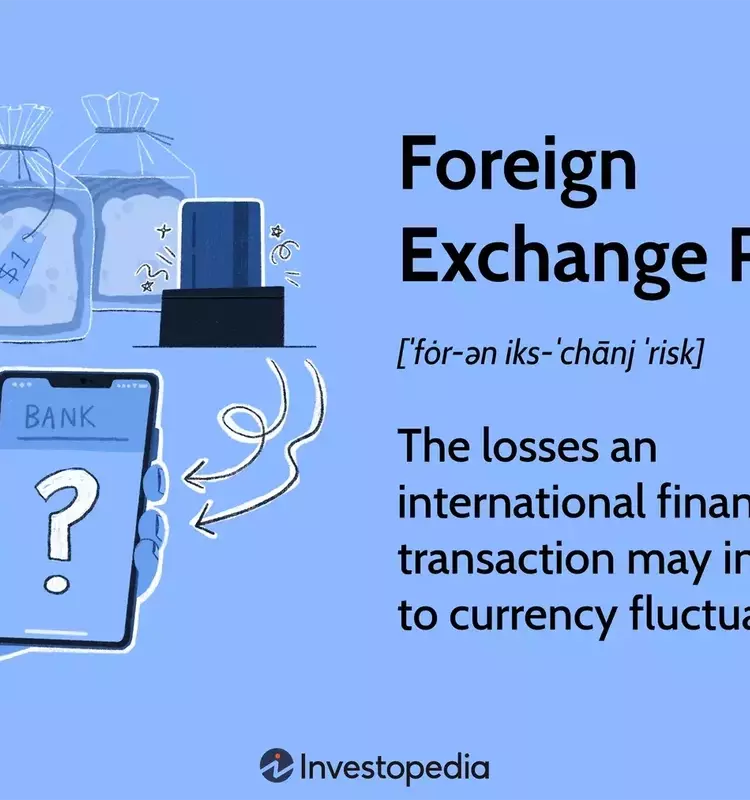
Foreign exchange risk, often called currency risk or FX risk, presents a significant challenge for businesses and investors operating across international borders. This risk arises from unpredictable shifts in currency exchange rates, which can lead to unexpected financial losses. Understanding how these fluctuations impact international transactions is crucial for effective global financial management. Companies and investors must grasp the various forms of currency risk and implement appropriate strategies to safeguard their assets and profitability in an ever-changing global marketplace.
Foreign exchange risk manifests when a company conducts financial activities using a foreign currency. Any appreciation or depreciation of either the base currency or the denominated currency can alter the expected cash flows from a transaction. For instance, the actual cost of goods purchased from overseas or sold to a foreign customer can change, as can the expense of expanding operations in another country. Furthermore, investments in international firms can experience value erosion solely due to exchange rate movements. This risk is primarily categorized into three types: transaction risk, translation risk, and economic risk, each with distinct implications for businesses and investors.
Transaction risk emerges when a company purchases goods or services from an entity in another country, with the price set in the seller's currency. If the seller's currency strengthens against the buyer's currency, the buyer will end up paying more in their local currency than initially anticipated. Translation risk, on the other hand, affects parent companies when they convert the financial statements of their foreign subsidiaries into their own reporting currency. Fluctuations in exchange rates can lead to a decrease in the reported value of these foreign assets and liabilities. Lastly, economic risk, also known as forecast risk, represents the continuous impact of currency volatility on a company's market value. This broader risk stems from long-term changes in exchange rates that can affect a company's competitive position and future cash flows.
To navigate these complexities, companies frequently employ hedging strategies. These can involve financial instruments like forward contracts and options, which allow businesses to lock in exchange rates for future transactions, thereby mitigating the impact of adverse currency movements. For example, an American liquor company might agree to purchase wine from a French supplier for a set amount in euros, anticipating a stable exchange rate. However, if the U.S. dollar depreciates against the euro before payment is due, the American company would face a higher cost in dollars. By using a hedging instrument, the company could have protected itself from this unfavorable currency shift. Investors can also minimize their exposure by choosing hedged exchange-traded funds (ETFs) that focus on international assets or by investing in domestic companies with robust foreign operations, entrusting them with the currency risk management.
For individuals and corporations engaged in global commerce, foreign exchange risk remains a critical consideration. Effective management of this risk is paramount for maintaining profitability and financial stability. Implementing sound financial planning, employing hedging techniques, and continuously monitoring currency markets are indispensable practices to minimize the impact of exchange rate fluctuations on business operations and investment portfolios.
