When seeking a mortgage, understanding key financial metrics is crucial for borrowers. This article focuses on two essential ratios used by lenders: the front-end ratio and the back-end ratio. These calculations help determine a borrower's capacity to manage housing-related expenses and overall debt obligations, playing a significant role in mortgage approval decisions.
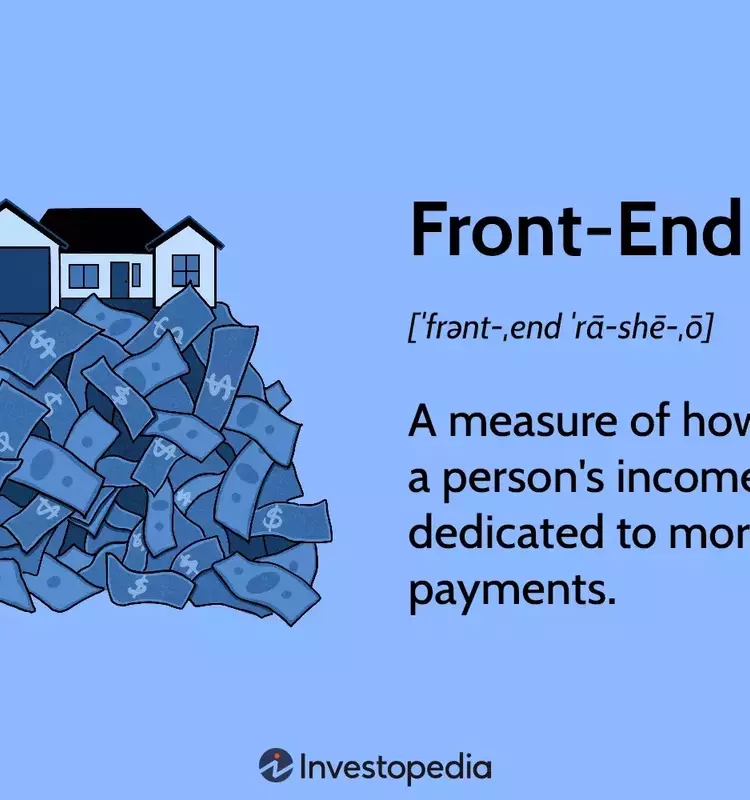
The front-end ratio, sometimes referred to as the housing expense ratio, assesses the proportion of a borrower's gross monthly income allocated to housing costs. This typically encompasses principal and interest payments on the mortgage, property taxes, and mortgage insurance. For instance, if a borrower's total projected monthly housing expenses are $2,000 and their gross monthly income is $9,000, their front-end ratio would be approximately 22%.
Lenders utilize this ratio as a primary indicator of a borrower's ability to handle regular mortgage payments without becoming financially overextended. A lower front-end ratio suggests a reduced risk of default for the lender. While the ideal front-end ratio is generally considered to be no more than 28% for most loan types, some exceptions may be made. Lenders might approve a higher ratio if the borrower possesses strong compensating factors, such as a substantial down payment, significant savings, or an excellent credit score. Furthermore, borrowers can take steps to improve their front-end ratio, including increasing their income, reducing their target mortgage amount, or making a larger down payment. In some cases, securing a cosigner with a strong financial profile, particularly for FHA loans, can also enhance a borrower's eligibility.
In contrast to the front-end ratio, the back-end ratio offers a broader perspective on a borrower's financial commitments. This metric includes all monthly debt obligations, not just housing-related expenses. It accounts for various financial responsibilities, such as student loan payments, credit card debt, and other loan payments. Lenders typically prefer a back-end ratio not exceeding 36% to mitigate the risk of default. A high back-end ratio signals that a significant portion of the borrower's income is already tied up in other debts, potentially limiting their capacity to absorb additional mortgage payments, especially if their income experiences an adverse impact. This comprehensive assessment of debt-to-income helps lenders make informed decisions about a borrower's financial stability and their likelihood of successfully fulfilling all payment obligations.
For many aspiring homeowners, particularly those with considerable educational debt, navigating these ratios can present challenges. Even individuals with stellar credit histories may find their front-end ratios exceeding lender thresholds due to substantial student loan obligations. However, strategies exist to mitigate this. Borrowers can explore options such as income-driven repayment plans for student loans, which may significantly lower monthly payments, thereby improving their overall debt-to-income ratio. This flexibility can make a considerable difference in qualifying for a mortgage and realizing homeownership dreams.
In essence, these two ratios serve as vital gauges for lenders, providing a clear picture of a borrower's financial capacity. By carefully managing their debt and maintaining a healthy balance between income and expenses, individuals can enhance their eligibility for a mortgage and confidently embark on the path to homeownership.
