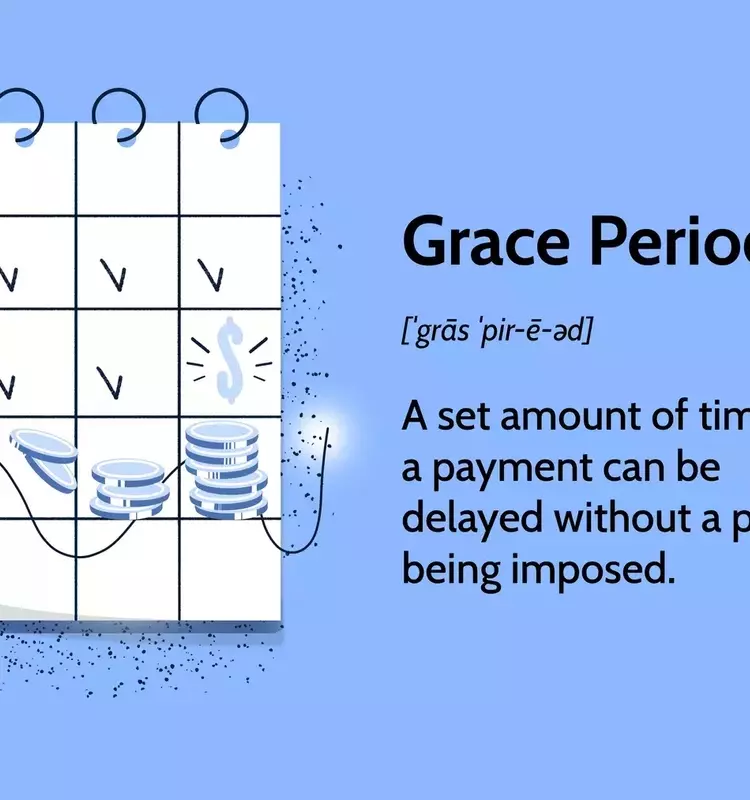
A grace period is a predetermined timeframe following a payment deadline during which no penalties are imposed. This serves as a crucial buffer for borrowers and policyholders, preventing immediate negative repercussions such as late fees or damage to credit standing. However, it is essential to distinguish grace periods from deferments, which are typically granted under circumstances of financial hardship and often require formal approval from the lender.
Details of Financial Grace Periods
Grace periods are commonly integrated into various financial agreements, including mortgage loans, insurance policies, and credit card contracts. While they generally last around 15 days, allowing individuals to meet their obligations without penalty, the specific terms can differ significantly. For instance, a mortgage payment due on the fifth of a given month might benefit from a five-day grace period, extending the final penalty-free payment date to the tenth. This provision helps borrowers avoid late charges and negative marks on their credit reports. Nevertheless, some contracts may still accrue interest during this period, even if late fees are waived. Therefore, a careful review of the contract’s fine print is always recommended.
In the realm of credit cards, a grace period typically applies to new purchases, allowing consumers approximately 21 days to pay off balances without incurring interest. This protection was codified into law by the Credit Card Act of 2009, preventing immediate interest charges on new transactions. However, this grace period usually does not extend to cash advances or balance transfers, for which interest may begin accumulating immediately. In contrast, deferments offer a more significant pause in payments, often in response to severe financial difficulties. Unlike grace periods, deferments are not automatic; they require an application and proof of hardship, and interest often continues to accrue on the outstanding balance, making it advisable to make partial payments if possible.
Understanding the implications of grace periods is paramount for sound financial management. Failing to meet a payment obligation even after the grace period has ended can lead to severe consequences, including late fees, increased penalty interest rates, or, in the case of collateralized loans, the seizure of assets. Furthermore, grace periods are also observed in non-financial contexts, such as employment (allowing a brief window for late arrivals without penalty) and immigration (providing foreign specialists with time to find new employment after job termination). Ultimately, these periods offer a valuable safety net, but they necessitate a thorough understanding of contractual terms and diligent adherence to payment schedules to avoid adverse financial outcomes.
