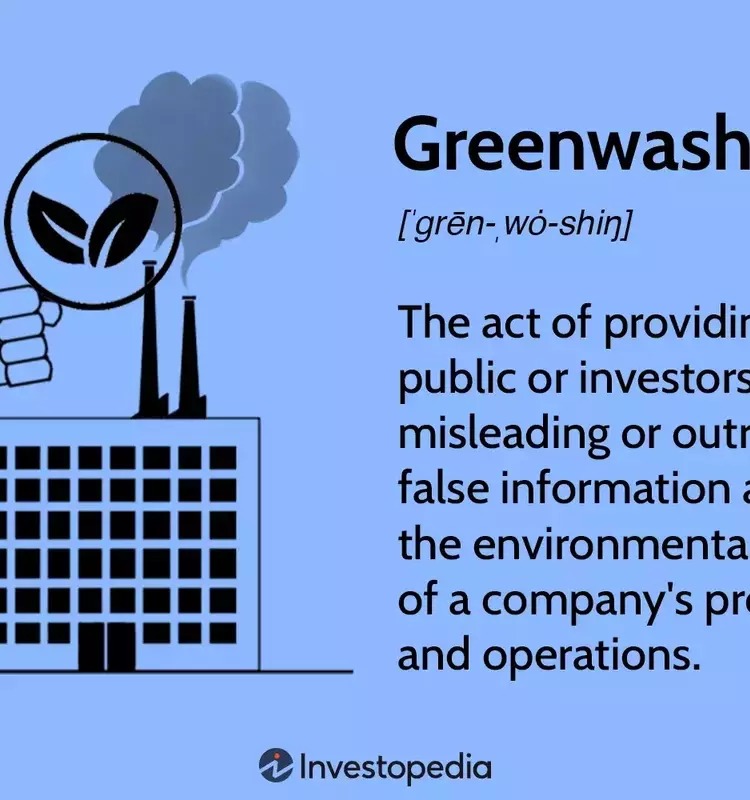
In today's market, where consumers and investors are increasingly prioritizing sustainability, companies often resort to greenwashing—a misleading practice of presenting an eco-friendly image without genuine environmental commitment. This article delves into how businesses manipulate their image, the tactics they employ, and the vital role of the Federal Trade Commission (FTC) in ensuring transparency. Understanding these deceptive practices is crucial for making informed choices and supporting truly sustainable endeavors.
Greenwashing, also referred to as 'green sheen,' exploits the rising demand for environmentally responsible products. This can encompass claims of being more natural, healthier, chemical-free, recyclable, or less resource-intensive. The concept originated in the 1960s, notably when hotels encouraged towel reuse under the guise of environmental protection, primarily to cut laundry costs. More recently, major carbon emitters, such as conventional energy firms, have attempted to reposition themselves as environmental advocates. Products undergo greenwashing through renaming, rebranding, or repackaging, implying they are more natural or healthier than competitors. Companies promote these claims through press releases and advertisements, often without substantial investment in green initiatives. Essentially, greenwashing involves businesses making unsubstantiated claims about the environmental benefits or safety of their products.
Not all companies engage in greenwashing; many genuinely offer environmentally friendly products. These authentic green products typically feature transparent packaging that clearly outlines their environmental attributes, distinguishing them from conventional alternatives. For instance, Allbirds highlights that its sneakers are crafted from merino wool, with laces made from recycled plastic bottles and insoles containing castor bean oil, and even uses recycled cardboard for shipping. The U.S. Federal Trade Commission (FTC) is instrumental in maintaining a fair and competitive marketplace for consumers. The FTC provides guidelines to help consumers discern genuinely green products from those involved in greenwashing. These guidelines stipulate that packaging and advertising must explain green claims clearly and legibly near the claim. Environmental marketing claims should specify whether they pertain to the product, its packaging, or only a portion thereof. Additionally, marketing claims should not exaggerate environmental attributes or benefits, either directly or indirectly. If a product touts a benefit over competitors, the claim must be substantiated.
The FTC's website offers various examples of greenwashing and directives against deceptive green marketing claims. Unsubstantiated claims, such as a plastic shower curtain package labeled 'recyclable' without specifying if the curtain itself is recyclable, or if the claim holds true for all parts of the product, are considered greenwashing. Another instance involves an area rug advertised as having '50% more recycled content than before,' when the actual increase was from 2% to 3%, creating a false impression of significant improvement. Similarly, labeling a trash bag as 'recyclable' is deceptive if it's unlikely to be recycled due to standard landfill or incinerator practices.
A common form of greenwashing involves vague or misleading terminology like “eco-friendly” or “sustainable” that are difficult to verify. Companies may also use natural imagery to suggest eco-friendliness, regardless of the product's actual environmental impact. Another tactic is cherry-picking data from research to highlight positive environmental practices while downplaying harmful ones, sometimes even funding biased research to support their claims. This deceptive practice is unethical as it misleads consumers and investors seeking genuine eco-friendly options, often allowing companies to charge a premium for misrepresented products. Exposure of greenwashing can severely damage a company's reputation and brand integrity.
