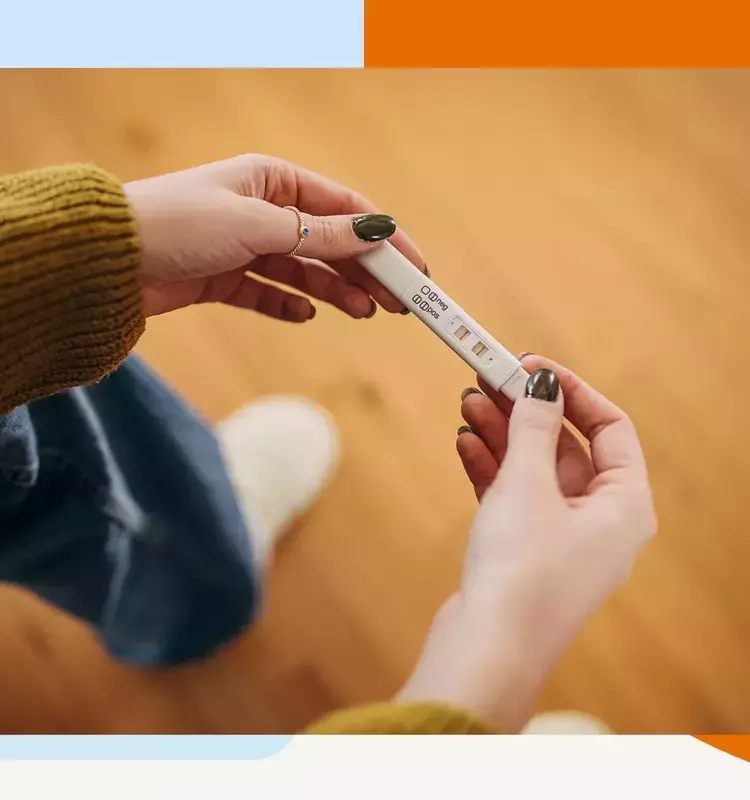
Home pregnancy tests offer a convenient and generally reliable method for determining pregnancy status. While these at-home kits boast up to 99% accuracy, their effectiveness is intrinsically linked to their shelf life. This guide delves into the mechanisms behind home pregnancy tests, the crucial role of expiration dates, and best practices for ensuring the most dependable results.
Pregnancy tests, much like other medical items, come with a specified expiration date. This date signifies the period during which the manufacturer can guarantee the test's accuracy when instructions are followed meticulously. Beyond this date, the reagents within the test may degrade, leading to potentially inaccurate outcomes. Experts, including Dr. Stephanie Hack, an OB-GYN and founder of Lady Parts Doctor, indicate that most pregnancy tests are viable for approximately two to three years from their manufacturing date. This timeframe applies universally to both digital and traditional strip tests, highlighting the importance of regular checks.
The fundamental principle of home pregnancy tests lies in their ability to detect human chorionic gonadotropin (hCG), a hormone produced by the body soon after a fertilized egg implants in the uterus. Dr. Carolyn Ross, an OB-GYN and medical advisor at Winx Health, explains that these tests utilize antibodies designed to react with hCG, manifesting a positive result through a colored line, a plus sign, or a digital display. If no pregnancy is present, or if hCG levels are too low, no such reaction occurs. However, expired tests may contain compromised antibodies, reducing their sensitivity and potentially leading to a false negative, where pregnancy exists but the test fails to detect it.
To avoid misinterpretations, it is imperative to verify the expiration date, typically found on the packaging or directly on the test stick. Furthermore, proper storage is critical; extreme temperatures can hasten the degradation of test components, rendering them unreliable even before their printed expiration. Storing tests within a temperature range of 36 to 86 degrees Fahrenheit is recommended. Should a test be expired or improperly stored, discarding it and obtaining a new, unexpired one is advisable. For absolute certainty, a beta hCG blood test, available through a healthcare provider, offers the highest level of accuracy.
To optimize the accuracy of home pregnancy test results, several factors should be considered. Performing the test with the first morning urine can yield more concentrated hCG levels, improving detection. Adhering strictly to the waiting period specified in the instructions is also vital, as premature reading can lead to an incorrect interpretation. Finally, waiting until after a missed period to test provides the body sufficient time to produce detectable levels of hCG, thereby minimizing the chance of a false negative. Following these guidelines ensures that home pregnancy tests serve as a valuable and accurate tool in family planning.
