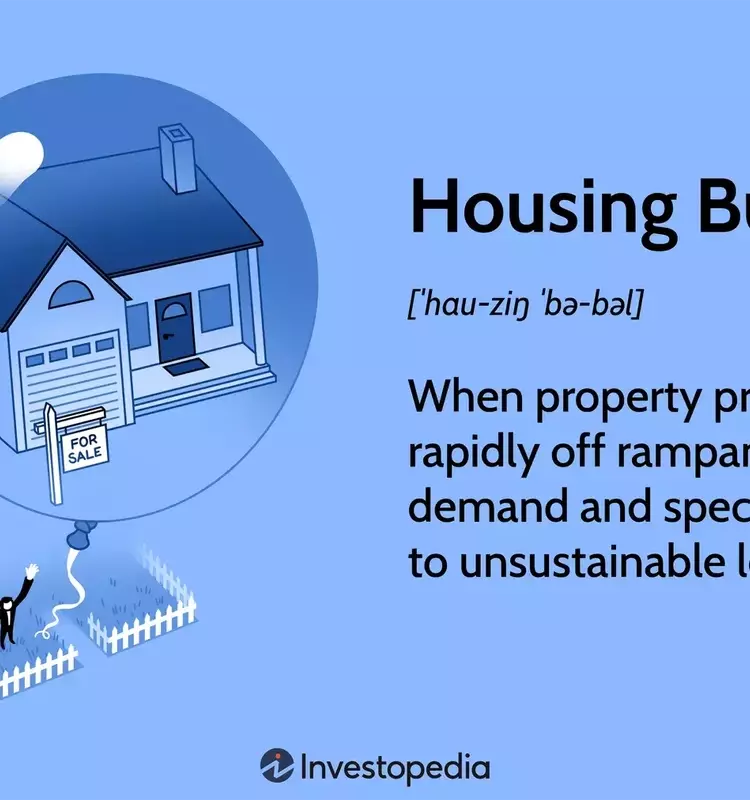
A housing bubble represents an unstable period in the real estate market where property values surge dramatically, propelled by escalating demand and speculative investments. Such conditions are often exacerbated by loose financing, abundant credit, and limited housing supply, drawing in eager buyers. However, these bubbles are inherently precarious; their eventual bursting can lead to a swift decline in property values, leaving homeowners facing negative equity and a heightened risk of foreclosure. The ripple effects extend beyond individual homeowners, impacting investors, banking institutions, and the broader economic landscape.
The Anatomy of a Housing Bubble: Causes, Consequences, and a Historical Case Study
Housing bubbles are typically characterized by an abnormal escalation in property values, often initiated by factors such as manipulated demand, excessive investment, or deregulation within real estate markets. These elements contribute to an imbalance where demand outstrips supply, driving prices to unsustainable heights. While real estate markets generally possess higher transaction and carrying costs that make them less susceptible to rapid market fluctuations compared to other financial markets, certain conditions can create fertile ground for bubbles. Specifically, an increase in credit availability, coupled with low interest rates and relaxed underwriting standards, can significantly boost borrower numbers. Conversely, rising interest rates and stricter credit requirements can cool demand, potentially leading to the bubble's collapse.
The economic repercussions of a bursting housing bubble are profound, affecting both individuals and the wider economy. Homeowners might find themselves struggling to meet mortgage obligations, sometimes resorting to drawing from their retirement savings. A sharp decline in home values can quickly erode home equity, leaving homeowners with mortgage balances exceeding their property's worth—a state known as "negative equity" or being "underwater." This unfortunate situation can trigger foreclosures, wherein lenders reclaim and sell properties to recover outstanding debts. Such events not only inflict financial hardship on affected individuals but also destabilize the housing market and the economy at large.
A notable historical illustration is the U.S. housing bubble of the 2000s, which precipitated the financial crisis of 2007–2008. In the aftermath of the dot-com bust of the 1990s, investors redirected their capital from technology stocks to real estate. The Federal Reserve's response to the ensuing mild recession and the uncertainty following the September 11, 2001, attacks involved lowering interest rates. These policy decisions stimulated home-buying, and innovative financial products enhanced real estate liquidity. As interest rates plummeted, housing prices soared. During 2005 and 2006, approximately 20% of all mortgages were issued to subprime borrowers—individuals who typically would not meet standard lending criteria. A significant portion of these, over 75%, were adjustable-rate mortgages (ARMs) that began with low introductory rates, which then reset to higher rates after two to three years. Government initiatives aimed at promoting broad homeownership further encouraged banks to ease their lending standards and rates, fueling a buying frenzy that saw the median home sales price increase by 55% between 2000 and 2007. However, as the economy slowed in 2007, ARMs began to reset, leading to higher payments. From 2007 to 2009, housing prices fell by 19%, triggering a massive sell-off of mortgage-backed securities and underscoring the destructive potential of an unchecked housing bubble.
The study of housing bubbles reveals invaluable lessons for policymakers, financial institutions, and individual consumers. Understanding the catalysts behind these market phenomena—such as speculative behavior, the availability of credit, and regulatory environments—is crucial for developing strategies to mitigate their formation and impact. For investors and homeowners, recognizing the signs of an impending bubble and understanding its potential consequences is vital for making prudent decisions and safeguarding financial stability. The 2000s crisis serves as a stark reminder of how interconnected financial markets are and the far-reaching effects that vulnerabilities in one sector, like housing, can have on global economic health. Moving forward, continuous vigilance and adaptive policy frameworks are essential to prevent similar crises and foster more sustainable growth in the real estate sector.
