Options contracts offer the right, but not the obligation, to buy or sell an underlying asset at a predetermined price before a specific date. A pivotal element in determining the cost of these options is implied volatility, which quantifies the market's anticipation of future fluctuations in the asset's price. Astute traders who grasp the mechanics of implied volatility are better equipped to evaluate option prices and manage potential risks effectively.
The Essence of Options and Implied Volatility
Option premiums are composed of two primary elements: intrinsic value and time value. Intrinsic value represents the immediate worth of an option. For example, if you hold a call option to purchase a stock at $50, and the stock is currently trading at $60, the intrinsic value is $10 ($60 - $50). This value is solely influenced by the difference between the underlying stock's price and the option's strike price. No other variable affects an option's intrinsic value.
Time value accounts for the additional premium charged, reflecting the duration until the option's expiration. Various factors, such as the remaining time, the stock's price, the strike price, and interest rates, affect time value. However, implied volatility plays the most significant role among these. Implied volatility gauges the market's expected price movement of a stock over the option's lifespan. As market expectations shift, option premiums adjust accordingly. A surge in expectations or demand for an option drives up implied volatility, resulting in higher option premiums. Conversely, declining market expectations or reduced demand lead to lower implied volatility and cheaper option prices. This dynamic dictates the cost of time value within an option and can profoundly influence the profitability of an options trade.
Strategic Application of Implied Volatility
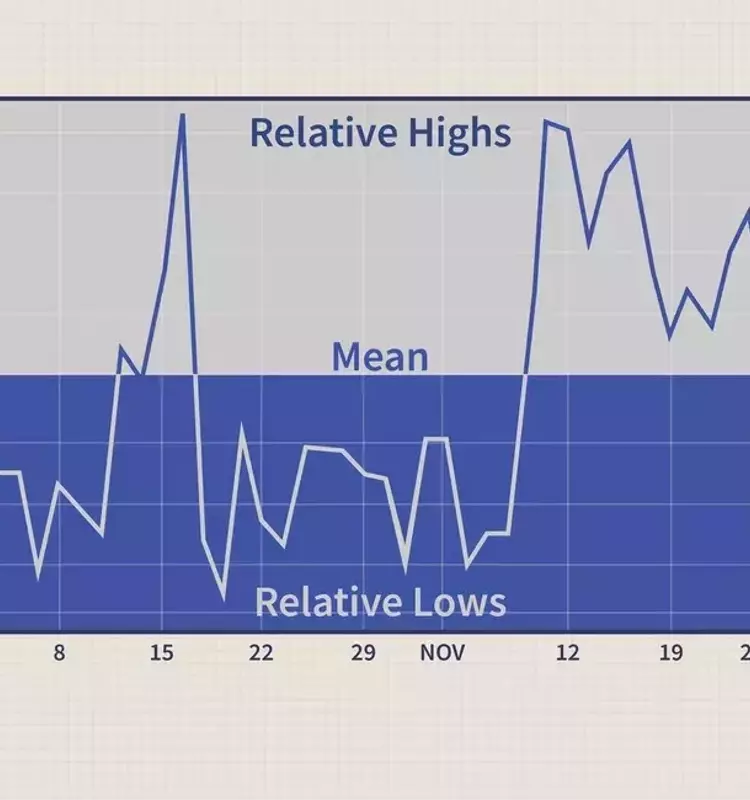
A practical approach to analyzing implied volatility involves studying its graphical representation. Many trading platforms offer charts that depict an option's average implied volatility, aggregating multiple values to provide a comprehensive view. For instance, the CBOE Volatility Index (VIX) is derived from the average implied volatility of near-term, at-the-money S&P 500 index options. This methodology can be applied to any stock that has tradable options. By observing the peaks and troughs in an implied volatility chart, traders can identify periods of relatively high or low implied volatility, indicating when options are comparatively expensive or inexpensive. Recognizing these patterns enables traders to anticipate future shifts in implied volatility, such as a reversion to the mean.
Implied volatility tends to fluctuate in cycles, with periods of high volatility often followed by periods of low volatility, and vice versa. By combining relative implied volatility ranges with forecasting techniques, investors can select optimal trading strategies. These insights are crucial for maximizing returns and mitigating risks. When implied volatility is high, selling strategies like covered calls and credit spreads become more attractive, as option premiums are elevated. Conversely, when implied volatility is low, buying strategies, such as purchasing calls, puts, or long straddles, are more appealing due to cheaper time premiums. Many investors capitalize on low implied volatility to acquire long-dated options, anticipating a subsequent increase in volatility. Understanding how implied volatility influences trading decisions, expiration months, and strike prices is essential for making informed choices and avoiding overpriced purchases or underpriced sales.
