Understanding Involuntary Bankruptcy: A Comprehensive Guide
Finance

Understanding Involuntary Bankruptcy: A Comprehensive Guide

authorBy Suze Orman
DateApr 29, 2026
Read time3 min

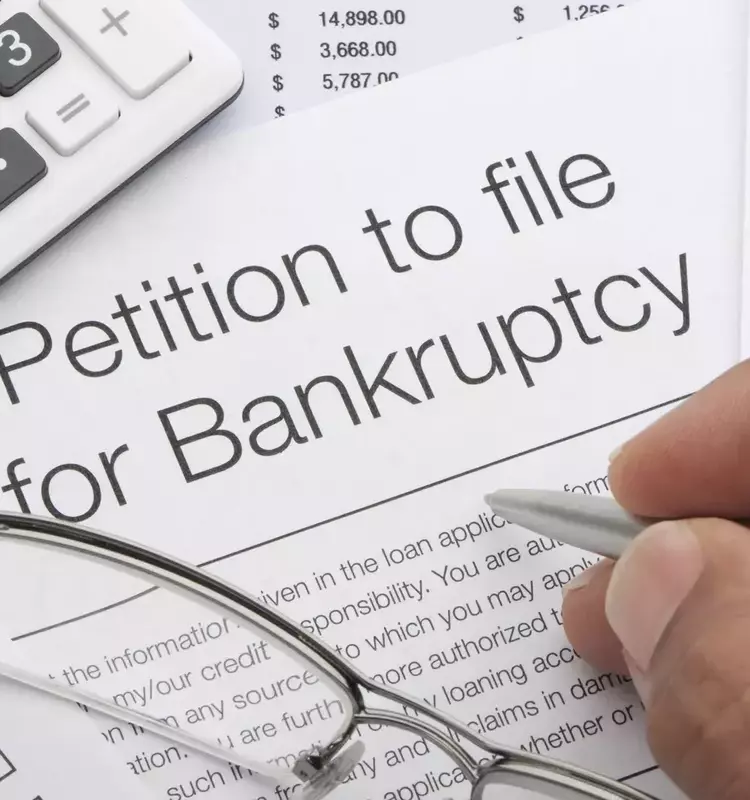
Involuntary bankruptcy, a legal action initiated by creditors rather than the debtor, represents a critical mechanism within the financial landscape. This process aims to compel a debtor, often a business, into formal bankruptcy proceedings when they fail to meet their financial obligations despite having the capacity to do so. It primarily falls under Chapter 7 or Chapter 11 of the U.S. Bankruptcy Code, providing creditors with a pathway to recover outstanding funds when conventional repayment seems unlikely.

The initiation of involuntary bankruptcy marks a significant departure from voluntary bankruptcy, where the debtor willingly seeks legal protection to restructure or discharge debts. In an involuntary scenario, creditors take the lead, submitting a petition to the court. This action is rooted in the belief that the debtor possesses sufficient assets but is deliberately evading payment. Such petitions are typically directed at businesses, given that individuals often have fewer recoverable assets, making involuntary proceedings less common for them. Creditors must satisfy stringent legal requirements, including specific debt thresholds and evidence that the debtor is not generally paying debts as they become due, to pursue this course of action.

The process of involuntary bankruptcy is complex and distinct. Unlike voluntary bankruptcy, which begins with the debtor's filing, involuntary bankruptcy commences with a petition from creditors. The U.S. Bankruptcy Code, specifically Title 11, outlines the criteria that petitioning creditors must meet. This typically involves demonstrating that the debtor has a substantial, undisputed debt, which, as of April 2022, was at least $18,600. Furthermore, if the debtor has more than 11 creditors, at least three of them must collectively file the petition. However, if there are fewer than 12 creditors, a single qualifying creditor can initiate the process.

Once a petition is filed, the debtor is granted 21 days to respond to the allegations. Failure to respond within this timeframe, or a court ruling in favor of the creditors, results in an 'order for relief,' effectively pushing the debtor into bankruptcy. Importantly, debtors retain the option to convert an involuntary filing into a voluntary case, allowing them to take more control over the proceedings. Involuntary bankruptcies cannot be initiated against certain entities, including banks, insurance companies, credit unions, farmers, or non-profit organizations. This underscores the specific nature and intent of this legal tool, primarily as a recourse for creditors dealing with solvent but uncooperative debtors.

In conclusion, involuntary bankruptcy serves as a powerful last resort for creditors to address significant unpaid debts, predominantly from businesses. It is governed by strict criteria under Chapters 7 and 11 of the Bankruptcy Code, offering a structured legal framework for intervention. While debtors have opportunities to respond or convert the case to a voluntary filing, the process highlights the importance of timely financial management and legal consultation.

More Articles
Finance
Adaptive Leadership: The Situational Model in Management
The Situational Leadership Model, developed by Hersey and Blanchard, proposes that effective leadership requires adapting one's style to the readiness of followers. This framework identifies four distinct leadership styles—telling, selling, participating, and delegating—each tailored to specific levels of employee maturity, ranging from low to high. The model emphasizes flexibility and a deep understanding of individual and team dynamics to achieve optimal performance.
By Fareed ZakariaApr 29, 2026
Finance
Corning's Strategic Growth in Optics and Solar
Corning Inc. (GLW) demonstrates robust performance in its optics and solar divisions, fueled by a significant multi-year collaboration with Meta Platforms (META). The company's 'Springboard' initiative aims for an additional $11 billion in annual revenue by 2028, with a substantial portion expected from solar technologies. Despite temporary setbacks in solar production, Corning is strategically expanding capacity to meet rising demand, especially in the data center sector, positioning it for long-term expansion.
By David RubensteinApr 29, 2026
Finance
Emerging Market Bond ETF: Analyzing HYEM's Performance and Future Prospects
This article examines the VanEck Emerging Markets High Yield Bond ETF (HYEM), a fund focusing on high-yield debt from developing nations. It notes that while emerging market bonds previously offered attractive dividend yields, current conditions have led to reduced yields and lower expected returns for these securities, impacting HYEM's potential. The author, Juan de la Hoz, an experienced financial analyst, suggests that this makes HYEM less appealing to investors seeking robust returns.
By Nouriel RoubiniApr 29, 2026
Finance
Charter Communications: A Deep Dive into a Potential Cigar Butt Investment
This article analyzes Charter Communications (CHTR) as a potential "cigar butt" investment, evaluating its current market position after recent struggles. It examines the company's network assets, cash flow resilience, and strategies to combat increasing competition from fiber, 5G, and satellite providers. The article also delves into CHTR's debt profile and the implications of its strategic acquisitions of Liberty Broadband and Cox Communications for long-term shareholder value.
By Nouriel RoubiniApr 29, 2026
Finance
SkyWest: Undervalued Regional Leader With Durable Contracts And Strong Earnings Visibility
SkyWest (SKYW) offers a defensible, niche model with multi-year earnings visibility via capacity purchase agreements with major carriers, insulating it from demand risk. Q1’26 results beat expectations, with $1.01B revenue (+7% YoY) and $2.50 EPS, but profitability was pressured by higher labor and fuel costs. SKYW trades at 4.9x EV/EBITDA and 7.4x P/E, below peers, supported by a net cash position and aggressive buybacks at a 14% earnings yield. Contract extensions through 2028, a flexible fleet plan, and strong partner relationships underpin an attractive rerating case despite near-term fuel and partner concentration risks.
By Fareed ZakariaApr 29, 2026