Understanding Limited Liability in Business Structures
Finance

Understanding Limited Liability in Business Structures

authorBy Fareed Zakaria
DateMay 08, 2026
Read time3 min

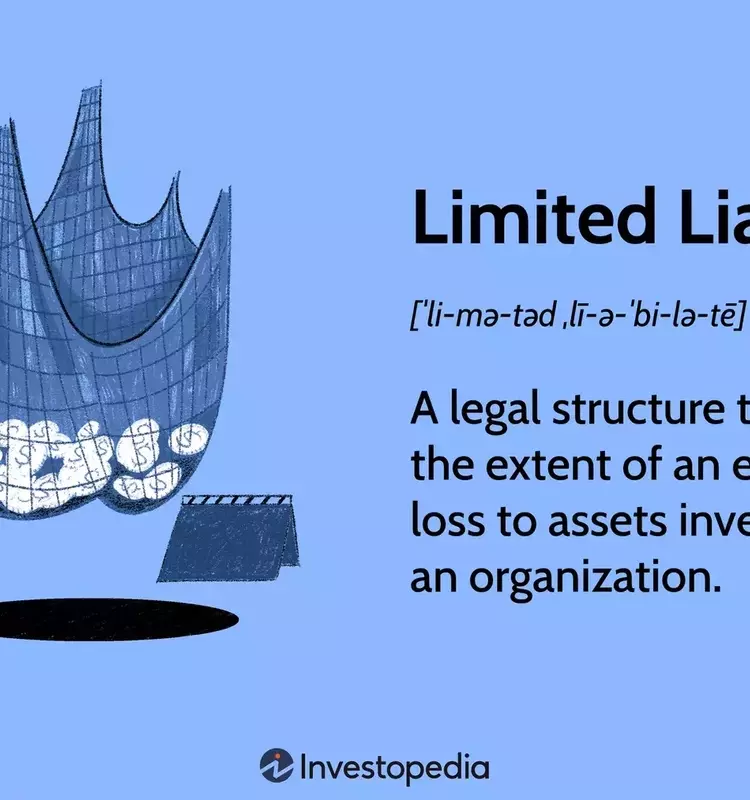
Limited liability is a pivotal legal principle in the business world, acting as a shield for the personal assets of both investors and owners against the financial obligations of a company. This legal framework ensures that in the event of a business’s financial distress or failure, the personal wealth of individuals associated with it remains protected, limiting their potential loss to only the amount they have invested directly into the enterprise.

The operational mechanics of limited liability are crucial for understanding its impact on various business entities. When an individual or entity operates under this principle, their personal assets, such as homes, savings, and other personal belongings, cannot be seized to satisfy the company's debts. This distinction is critical for business longevity and growth. Only assets directly owned by the company itself—including its capital, real estate, equipment, and inventory—are vulnerable to claims from creditors in cases of insolvency. This protection encourages investment, as shareholders can participate in a company's growth without the fear of losing more than their initial investment, even if the company faces severe financial challenges. Without such a safeguard, many potential investors would be hesitant to commit capital, and entrepreneurs might shy away from launching new ventures due to the overwhelming personal financial risks involved.

Limited liability finds its application across several business structures, each with its unique characteristics. Limited Liability Partnerships (LLPs) offer partners protection from business debts, meaning personal assets are safe, though partners can still be held responsible for their own direct misconduct. LLPs also provide flexibility in managing partner admissions and departures, often facilitating growth by integrating new partners with existing business connections. Both LLPs and Limited Liability Companies (LLCs) generally offer a significant advantage over traditional corporations by avoiding the issue of double taxation, where profits are taxed at both the corporate and individual levels. Incorporated businesses, whether private or public, also extend limited liability to their owners by legally recognizing the company as a separate entity. This is particularly beneficial in high-risk industries like insurance, where potential losses can be substantial. LLCs, in particular, combine the asset protection of a corporation with the operational simplicity and tax advantages of a partnership or sole proprietorship, making them a popular choice for many entrepreneurs.

The concept of limited liability stands as a cornerstone of modern commerce, fostering an environment where risk-taking and innovation are encouraged. By clearly delineating between business and personal assets, it empowers individuals to pursue entrepreneurial endeavors and invest in the economy with greater confidence. This legal distinction not only protects individual wealth but also contributes to the dynamism and resilience of the broader economic landscape.

More Articles
Finance
The Comprehensive Guide to Becoming a Certified Financial Planner (CFP)
A Certified Financial Planner (CFP) holds a prestigious designation, signifying expertise in a broad spectrum of financial planning areas, from investment and tax strategies to retirement and estate planning. This certification is granted by the Certified Financial Planner Board of Standards, requiring candidates to undergo a rigorous process involving extensive education, a challenging examination, practical experience, and adherence to strict ethical guidelines. CFPs are fiduciaries, legally bound to prioritize clients' best interests, offering comprehensive, personalized financial guidance to help individuals achieve their monetary goals.
By Suze OrmanMay 08, 2026
Finance
Willdan Group: A Promising Investment Opportunity with Strong Growth Potential
Willdan Group, Inc. presents a compelling investment case, fueled by strategic acquisitions and a robust financial outlook. The company's expanding commercial sector, enhanced by the Burton acquisition, promises accelerated growth and improved margins through high-margin, recurring energy management revenues. Despite these acquisitions, Willdan maintains a healthy balance sheet, supporting its growth strategy. The company's superior valuation metrics and ambitious long-term guidance, projecting double-digit top and bottom-line growth, solidify its position as an attractive buy.
By Morgan HouselMay 08, 2026
Finance
Top Online Banks for May 2026: Comprehensive Review
This article offers an in-depth analysis of the leading online banks for May 2026, based on Investopedia's extensive research. We delve into their product offerings, interest rates, fee structures, customer satisfaction, and accessibility. Featured banks include Axos for savings, EverBank for diverse savings options, American Express for exceptional customer service, and Capital One for student banking. The review highlights the pros and cons of each institution, providing valuable insights for consumers seeking the best online banking solutions.
By Nouriel RoubiniMay 08, 2026
Finance
Understanding Banker's Acceptances: A Secure Payment and Investment Tool
This article explores banker's acceptances (BAs), a financial instrument guaranteed by a bank, functioning similarly to a check for secure large-scale transactions, particularly in international trade. It details their operation, historical context, use as both a payment method and a short-term investment, and analyzes their advantages and disadvantages. BAs are highlighted for reducing transaction risks for both importers and exporters, offering a safe and liquid investment option.
By Michele FerreroMay 08, 2026
Finance
Bullish's Strategic Acquisition to Drive Token Market Dominance
Bullish is set to acquire Equiniti, a leading transfer agent, aiming to bridge traditional capital markets with blockchain technology and facilitate large-scale tokenization. This merger will integrate Bullish's crypto exchange platform with Equiniti's extensive issuer network, anticipating increased trading volumes and the introduction of new primary offerings. The acquisition values Bullish at approximately $9.2 billion, with an estimated pre-synergy P/E ratio of around 30x, reflecting expectations for substantial long-term earnings growth. This analysis initiates coverage of Bullish with a 'Buy' rating, acknowledging potential near-term volatility while emphasizing its long-term potential as a pioneer in on-chain finance.
By Mariana MazzucatoMay 08, 2026