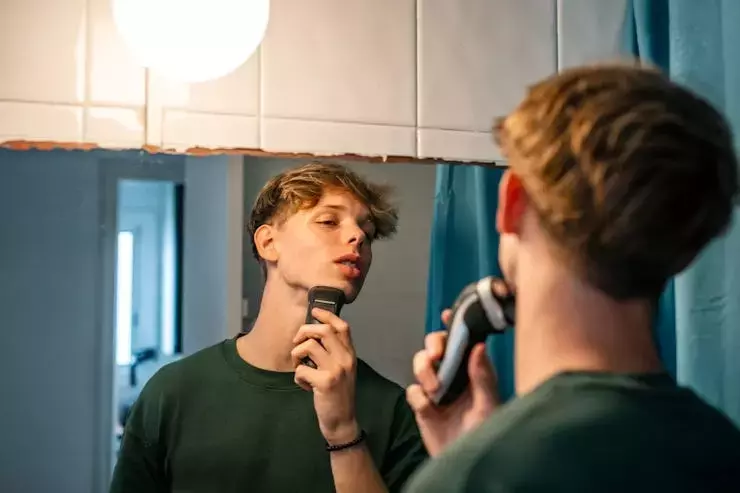
The digital age has introduced a multitude of trends, and among the more concerning for parents of adolescent males is “looksmaxxing.” This phenomenon, originating in online forums and gaining widespread exposure through social media platforms like TikTok, centers on the pursuit of achieving an “objectively” attractive physical appearance. While some elements, dubbed “softmaxxing,” involve conventional self-improvement methods such as skincare, healthy eating, and exercise, a more alarming component, “hardmaxxing,” encompasses invasive procedures. This can range from cosmetic injections and surgeries to the highly dangerous and unscientific practice of “bonesmashing,” where individuals attempt to reshape their facial bones by repeatedly striking them. The underlying philosophy often stems from incel (involuntary celibate) communities, which falsely link physical attractiveness directly to social and financial success, as well as romantic relationships. Medical professionals have begun to highlight the physical and psychological risks associated with these extreme practices, urging parents to be vigilant and proactive in addressing body image concerns and promoting media literacy among young people.
The Growing Concern of “Looksmaxxing” Among Adolescent Males: A Detailed Overview
In a recent development, the “looksmaxxing” trend has emerged as a significant area of concern, particularly for parents of teen boys. This online movement, which gained considerable momentum on platforms like TikTok around 2020, promotes the idea of enhancing one's physical appearance to meet an idealized standard of attractiveness. What began in incel forums, where participants often equate physical appeal with life success and social standing, has now permeated mainstream youth culture.
The trend is broadly categorized into two forms: “softmaxxing” and “hardmaxxing.” “Softmaxxing” involves relatively benign activities aimed at self-improvement, such as maintaining good hygiene, adopting healthier dietary habits, regular exercise, and professional grooming. These practices are generally considered healthy and constructive. However, the more alarming aspect is “hardmaxxing,” which advocates for more drastic and often irreversible interventions. This includes cosmetic procedures like injections and plastic surgery. A particularly dangerous manifestation is “bonesmashing,” a practice invented by looksmaxxers that involves repeatedly hitting facial bones, such as the cheekbones, chin, and jaw, with objects like hammers or massage guns. The unfounded belief is that this deliberate, light trauma will cause the bones to heal thicker, leading to a more defined facial structure. This practice has no scientific basis and carries severe risks, including bruising, nerve damage, and other serious injuries, as highlighted by reports from reputable sources like GQ.
The medical community, recognizing the escalating risks, has also begun to sound the alarm. In February, Medscape published an article specifically addressing the “looksmaxxing” phenomenon, educating family physicians on how to identify and intervene in such practices among their adolescent patients. This underscores the serious health implications associated with the trend, especially given the prevalence of online tutorials and forums that encourage and document these extreme behaviors.
For parents, understanding the terminology and intricate point systems used by looksmaxxers is not as crucial as recognizing the underlying unhealthy relationship their children might be developing with their appearance. Statistical data indicates that teen boys who are active on social media are more prone to dissatisfaction with their physical appearance, restrictive eating habits, and engaging in risky behaviors to alter their looks. Therefore, initiating open-ended conversations about body image, social media content, and healthy self-perception is paramount. Experts suggest grounding these discussions in family values that promote healthy masculinity and a balanced approach to food and exercise. Furthermore, integrating media literacy lessons is vital, encouraging teens to critically evaluate the content from looksmaxxing influencers, who often omit the negative consequences, such as potential injuries from “bonesmashing” or the development of eating disorders. By fostering a critical perspective, parents can help their children navigate the complexities of online trends and build a healthier sense of self-worth that extends beyond superficial appearances.
This trend underscores the critical need for parents to engage actively with their children about the pervasive influence of social media on self-perception. It's a stark reminder that the digital world, while offering connectivity, also presents avenues for harmful ideologies to take root. Equipping young people with media literacy skills and a strong sense of self-worth, rooted in health and well-being rather than external validation, is more crucial than ever. By fostering open dialogue and critical thinking, we can help our children build resilience against the pressures of potentially dangerous online trends like looksmaxxing, ensuring they prioritize their health and emotional well-being above fleeting aesthetic ideals.
