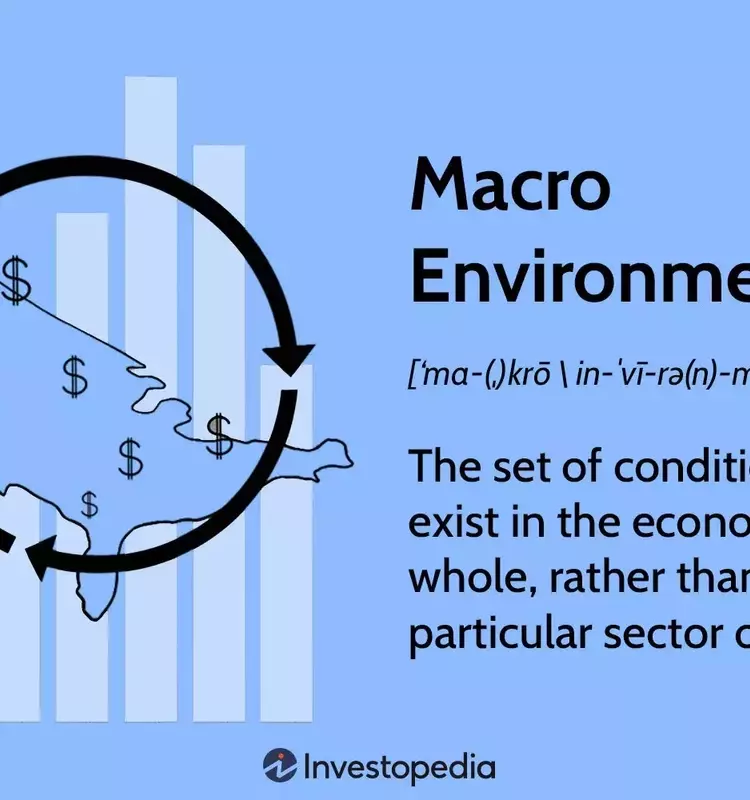
The macro environment refers to the broad economic conditions and external factors that influence the overall economy, acting as a critical backdrop for market dynamics. This comprehensive overview explores the various components that shape this environment, including key economic indicators, governmental policies, and consumer behavior. Understanding these elements is essential for businesses and policymakers to navigate economic cycles and formulate effective strategies. Unlike the microenvironment, which focuses on specific market segments, the macro environment encompasses the larger, aggregate forces that impact an entire nation's economic health.
The macro environment, which shapes the economic conditions affecting businesses and markets, is influenced by several core elements. Gross Domestic Product (GDP), a key indicator of economic output, reflects the total value of goods and services produced within a country. Inflation, a persistent increase in prices, erodes purchasing power and influences central bank policies. Employment levels, often measured by unemployment rates, indicate the health of the labor market and consumer confidence. Consumer spending, a major component of GDP, drives demand and economic growth. Finally, monetary policy, typically managed by central banks, controls interest rates and credit availability, while fiscal policy, enacted by governments, involves taxation and spending to influence economic activity.
Businesses and industries are impacted differently by the macro environment. Cyclical industries, such as luxury goods or durable consumer products, are highly sensitive to economic fluctuations, experiencing significant swings in demand during periods of expansion and contraction. Conversely, basic staple industries, which produce essential goods like food and household items, tend to be more resilient to economic downturns due as demand remains relatively stable. Companies heavily reliant on borrowing for investments or consumer financing are particularly vulnerable to changes in interest rates, highlighting the interconnectedness of macroeconomic factors and industry performance. Analyzing these broad trends is crucial for strategic decision-making and risk management across various sectors.
Understanding the broader economic context is fundamental for strategic business planning. Businesses frequently utilize analytical frameworks, such as PEST (Political, Economic, Social, and Technological) analysis, to systematically assess the external macroeconomic factors that can influence their operations and future prospects. These factors can include government regulations (political), economic growth rates (economic), shifts in consumer preferences (socio-cultural), and advancements in technology (technological). By identifying and evaluating these influences, organizations can anticipate challenges, capitalize on opportunities, and adapt their strategies to thrive within the dynamic macroeconomic landscape.
The macro environment describes the extensive economic conditions that affect a nation's entire economy, impacting broad market trends and overarching business landscapes. This differs from the micro environment, which pertains to specific market dynamics and individual business sectors. Key components of the macro environment include a country's Gross Domestic Product (GDP), which measures overall economic output; inflation rates, indicating changes in the purchasing power of currency; and employment figures, reflecting the health of the labor market. Additionally, governmental fiscal policies, encompassing taxation and spending, alongside central bank monetary policies, which regulate interest rates and credit, are significant determinants of the macro environment. These elements collectively shape the economic climate in which all businesses operate.
