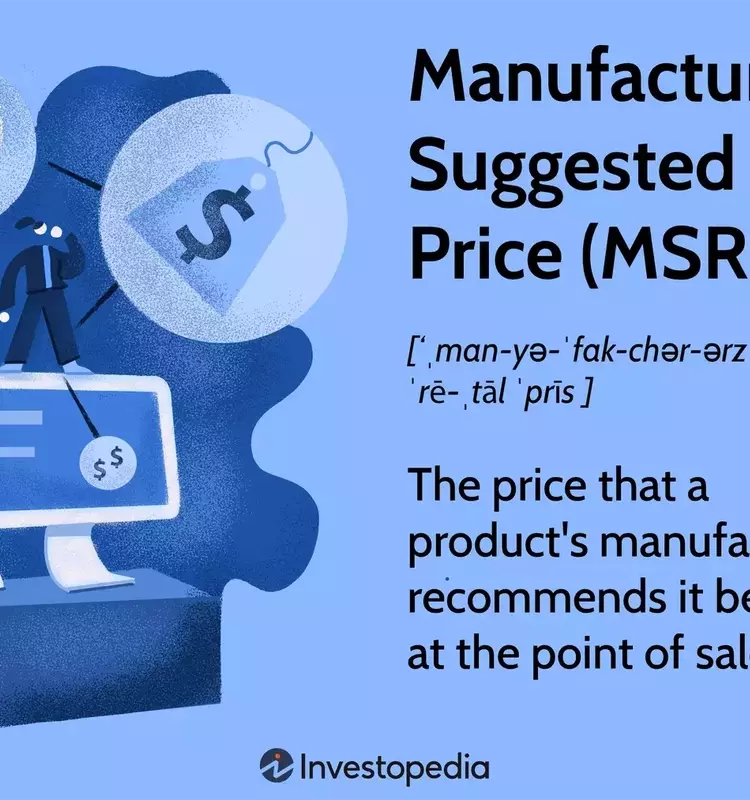
The Manufacturer's Suggested Retail Price (MSRP) serves as a baseline price recommended by the producer for goods sold to consumers. It is a crucial reference point for retailers, although they are not legally bound to adhere to it. This pricing model is widely recognized across various consumer products, most notably in the automotive sector, where it's commonly known as the 'sticker price'. Understanding MSRP is essential for both businesses setting prices and consumers making purchasing decisions.
While MSRP aims to standardize pricing, market dynamics often lead to deviations. Retailers may adjust prices below MSRP to liquidate inventory, attract customers during slow economic periods, or offer promotional deals. Conversely, high demand for a product can prompt retailers to set prices above the suggested amount. This flexibility underscores the advisory nature of MSRP, highlighting that it is a starting point rather than a fixed rule in the complex world of retail.
The Concept of Manufacturer's Suggested Retail Price
The Manufacturer's Suggested Retail Price (MSRP) is essentially a recommended price set by a product's creator for its sale in retail stores. This suggested price is also recognized by various terms such as Recommended Retail Price (RRP), sticker price, or simply list price, especially in sectors like electronics and appliances. The primary purpose of establishing an MSRP is to provide a uniform pricing guideline across different sales outlets, ensuring a certain level of consistency in the market.
Retailers have the discretion to sell products at, below, or above the MSRP. This decision often hinges on factors such as current market demand, the retailer's inventory levels, and prevailing economic conditions. For instance, a retailer might lower prices to clear out excess stock or to draw in more shoppers, particularly during sales events. Conversely, if a product is highly sought after and supply is limited, a retailer may choose to increase the price beyond the MSRP to capitalize on demand. The automotive industry is a prime example where MSRP is prominently used; new vehicles typically display this price on a window sticker, which then becomes the initial figure for buyer-seller negotiations.
Setting and Navigating MSRP
MSRPs are established by manufacturers to encompass all production and distribution costs, along with an expected profit margin for everyone in the supply chain—from the manufacturer to wholesalers and, ultimately, retailers. This pricing structure is designed to ensure profitability at each stage of a product’s journey to the consumer. While retailers frequently offer products at prices lower than the MSRP, their actual cost of acquisition, whether through bulk purchases from manufacturers or smaller orders from distributors, influences their pricing strategy.
However, the use of MSRP is not without its controversies. Critics argue that suggested pricing can sometimes be manipulated, particularly when manufacturers set an artificially high MSRP. This practice can allow retailers to advertise significant discounts, creating a perception of a better deal for consumers, even if the actual selling price is still relatively high. Moreover, pricing methods like resale price maintenance (RPM), which mandates retailers to sell at or above a specific price, are often legally restricted or outright prohibited in many regions due to their anti-competitive nature. Consumers engaging with such pricing models, especially for high-value items like vehicles, should conduct thorough research, including understanding the invoice price (what the dealer paid for the product) and market conditions, to negotiate effectively and secure a fair deal.
