Protecting Your Investment: The Power of Mechanic's Liens in Construction
Defining the Mechanic's Lien: A Fundamental Concept
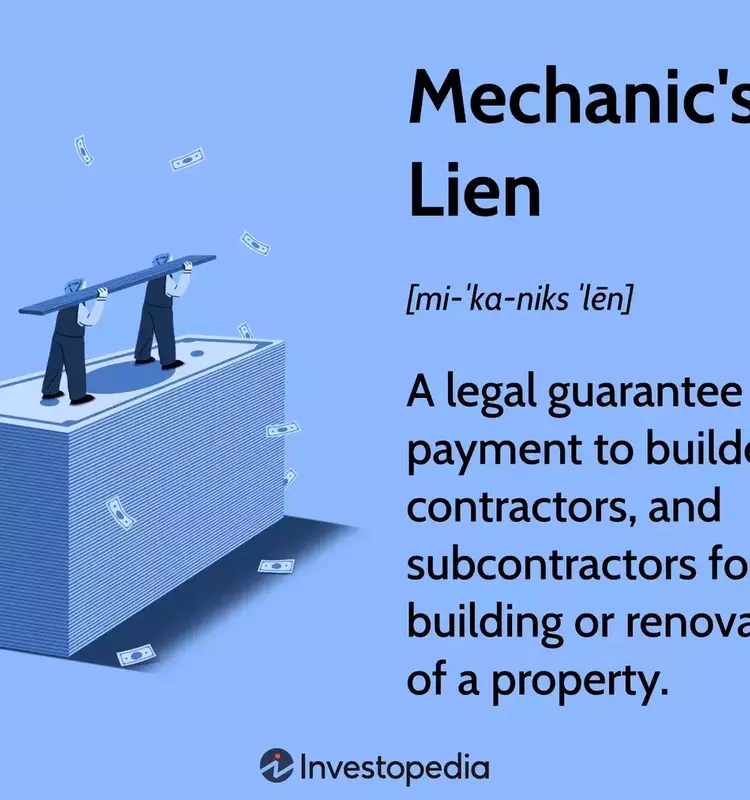
A mechanic's lien represents a legally recognized entitlement to payment for individuals and entities who have furnished labor or supplies for the construction or improvement of real estate. This lien functions as a security interest in the property, guaranteeing that these unpaid parties are prioritized in payment, particularly in scenarios of liquidation. Essentially, it is a safeguard for those who enhance property value through their work or materials.
The Operational Dynamics of Mechanic's Liens
Mechanic's liens are frequently essential for securing necessary construction assistance on various projects. They remain active until the project's completion and all involved construction personnel have been fully compensated. These liens are commonly utilized by general contractors, builders, and construction firms, as well as material suppliers and subcontractors, encompassing both new construction and repair work.
From an investment perspective, it's crucial to recognize that mechanic's liens typically hold a superior position to other forms of debt. This elevated priority dictates the sequence of claims if a property undergoes foreclosure or repossession.
The historical roots of mechanic's liens trace back to the early United States. Thomas Jefferson was instrumental in developing this concept, aiming to foster a landed aristocracy in the nascent nation. Given the extensive productive land available, mechanic's liens facilitated property monetization and farm development. They were termed 'mechanic's liens' because, at the time, construction workers were known as 'mechanics,' referring to individuals skilled in manual labor.
Ensuring Compliance: The Enforcement of Mechanic's Liens
Mechanic's liens can be invoked to address outstanding labor and material expenses associated with a construction endeavor.
Each state possesses unique regulations governing the specific costs permissible for inclusion when filing a mechanic's lien. Furthermore, it is important to be aware of potential time limitations and statutes of limitations for filing such a lien, which are often determined by the date work commenced or concluded.
Property owners often feel compelled to resolve a mechanic's lien promptly, as its presence typically prevents the sale of the property. Any prospective buyer conducting a title search would identify the existing lien, making the new owner responsible for its resolution.
It's important to distinguish a mechanic's lien from machinery liens or possessory liens. A machinery lien grants the owner the right to retain machinery, like an automobile, for unpaid debts, while a possessory lien relates to the physical possession of an asset. In contrast, a mechanic's lien grants a claim against the property itself, necessitating proper legal procedures rather than allowing direct eviction of property occupants.
Mechanic's Liens Versus Other Debt Instruments
Mechanic's liens stand apart from other lien types in several key aspects. Conventional liens, such as mortgage liens or tax liens, are typically placed on real estate by lenders or governmental bodies. Mechanic's liens, however, are specifically tailored to the construction sector.
Another significant divergence lies in the nature of the debt secured. While mortgage liens guarantee the repayment of loans used for property acquisition, mechanic's liens ensure payment for labor, materials, or services that directly enhance the property's value. For mechanic's liens, funds collected from the lien might be used to pay other parties, such as subcontractors.
The procedures for filing and enforcing mechanic's liens also differ. Mortgage liens are generally recorded at the time of property purchase or refinancing, whereas mechanic's liens are typically filed after construction work is completed. Consequently, a general contractor must continuously assess the liens on a property as work progresses. Unlike the single recording at a home's closing, a mechanic's lien can evolve or expand over time.
Understanding the Constraints of Mechanic's Liens
Despite their protective nature, mechanic's liens come with certain limitations. While these may not apply universally, here are some common constraints:
- Strict Deadlines: Mechanic's liens are subject to stringent filing deadlines, often referred to as statutes of limitations. These timeframes vary by jurisdiction and are typically calculated from the final date of labor or material supply. Missing these deadlines results in forfeiture of the right to file a lien, even if the debtor subsequently faces bankruptcy without having made payment.
- Mandatory Notifications: Some states mandate pre-lien notice requirements, such as preliminary notices or notices of intent to lien. These must be delivered to property owners or general contractors prior to filing a mechanic's lien. Non-compliance with these notification rules can invalidate the lien, irrespective of the underlying debt's legitimacy.
- Hierarchical Challenges: Mechanic's liens do not always take precedence over other existing liens. In foreclosure or sale proceedings, the priority of liens dictates the order of repayment from sale proceeds. Mortgages, tax liens, and other senior liens may supersede mechanic's liens.
- Enforcement Difficulties: Enforcing a mechanic's lien often necessitates legal action, a process that can be protracted, intricate, and costly. Moreover, judicial intervention does not guarantee a successful outcome.
- Limited Financial Recovery: Even if a mechanic's lien is successfully enforced, the amount recovered might be restricted. For example, the defaulting entity may lack sufficient cash flow to satisfy the entire lien. Lienholders might only recoup a fraction of the owed amount, leading to a financial shortfall.
Real-World Illustrations of Mechanic's Liens
A contractor might initiate a mechanic's lien if a property owner defaults on a portion of the payment for services rendered. Similarly, a subcontractor could file a mechanic's lien if the primary contractor fails to adequately compensate them for their work and materials.
For instance, a contractor might engage a subcontractor to provide and pour concrete for a section of a construction project. The subcontractor's agreement is with the contractor, not directly with the property owner. If the contractor fails to pay for the concrete, the subcontractor can file a mechanic's lien against the property, thereby compelling the owner to intervene.
A notable real-world illustration is the X Phoenix apartment tower in Arizona. As the building neared completion, construction stalled, leading to accumulated mechanic's liens totaling over $30 million. The largest claim was a $25.6 million lien filed by the general contractor.
In such a scenario, a separate breach of contract lawsuit could also be filed directly against the defaulting contractor. This strategy would also pressure the property owner to exert influence on the contractor who failed to pay the subcontractor.
Who Can File a Mechanic's Lien?
Generally, any individual or entity providing labor or materials for the construction or enhancement of a property is eligible to file a mechanic's lien. Crucially, subcontractors can also file mechanic's liens against a property, even without a direct contractual agreement with the owner. This provision incentivizes property owners to ensure contractors fulfill their payment obligations.
Strategies to Prevent Mechanic's Liens
Property owners can adopt several strategies to mitigate the risk of mechanic's liens. The most direct approach is to promptly pay contractors and meticulously maintain records of all payments. Experts also suggest utilizing joint checks, which require endorsement from all parties, including both contractors and subcontractors, before funds are disbursed.
Understanding Lien Waivers
Depending on the specific jurisdiction, a lien waiver can be employed to prevent a mechanic's lien from being placed on a project. This is a formal written agreement where one party renounces their right to place a lien on property or goods.
Concluding Thoughts on Mechanic's Liens
A mechanic's lien serves as a vital instrument to guarantee payment for contractors, subcontractors, and laborers involved in construction or property projects. It effectively ensures that these workers are paid, especially in the event of liquidation, as mechanic's liens typically hold a higher priority than other debt forms. These liens are secured against the property itself, even when contractors, rather than property owners, are responsible for unpaid debts to subcontractors. This mechanism obliges property owners to address such claims when they arise due to outstanding costs.
