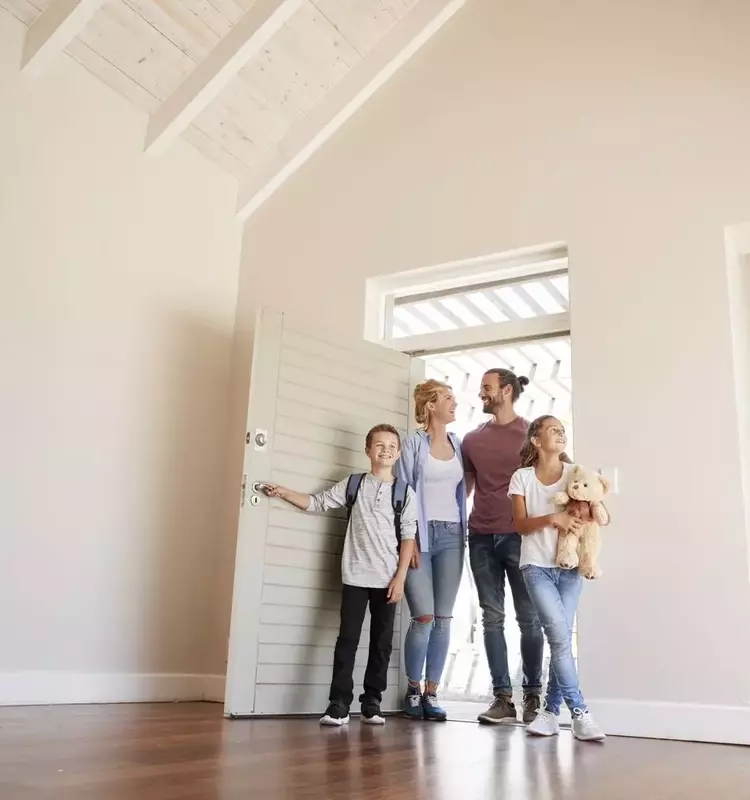
An open house offers a unique opportunity for individuals looking to purchase a new home to explore potential properties in a relaxed environment before making a significant commitment. While online listings provide a broad overview, these in-person events allow visitors to assess the home's condition, envision themselves living there, and offer valuable feedback to real estate professionals.
The practice of hosting an open house enables potential buyers to walk through a property without the pressure of a scheduled one-on-one viewing. This informal setting encourages thorough exploration of the house and its surroundings. Typically, owners or tenants temporarily vacate the premises, allowing the real estate agent to manage the event. These gatherings are frequently held on weekends and promoted through banners and advertisements to draw a crowd. Homeowners often ensure their property is immaculate and well-organized, sometimes offering refreshments, to create an inviting atmosphere.
From the seller's perspective, an open house can be a powerful tool to generate excitement and potentially secure an offer quickly. Many real estate experts suggest holding an open house shortly after the property hits the market. Even if an immediate sale doesn't occur, the feedback from visitors can be invaluable. Buyers often share their impressions, highlighting aspects that might be deterring a sale, such as outdated paint colors, which can then be addressed to improve the home's marketability.
However, hosting an open house also comes with its challenges. Sellers often need to make alternative arrangements for their families and pets, and remove personal belongings to help prospective buyers better visualize the space as their own. Concerns about safety and potential theft are also valid, especially when numerous strangers are touring the home. A 2025 report from the National Association of Realtors indicated that only a small percentage of buyers initially discover homes through open houses, with most starting their search online or through agents. Nevertheless, a significant number of buyers do attend open houses at some point in their journey.
With the advent of the internet, detailed property information and photographs are readily available online, allowing sellers to reach a much wider audience. This digital shift has led some to question the continued relevance of traditional open houses. However, open houses remain beneficial for generating direct interest and gathering immediate feedback, complementing online marketing efforts.
Broker's open houses serve a different purpose, exclusively inviting real estate professionals to preview properties. These events, usually held midweek, allow agents to gather peer opinions on the property and its pricing, and encourage buyer's agents to arrange viewings for their clients. During any open house, sellers are advised to secure valuables and ensure visitors sign in to maintain accountability and safety.
Ultimately, an open house provides a casual yet effective platform for sellers to gauge interest and receive direct insights from potential buyers. The distinction between public and broker-exclusive events highlights the varied strategies employed in the real estate market. This direct interaction and feedback loop can be instrumental in fine-tuning a property's presentation and increasing its appeal, particularly in dynamic markets.
