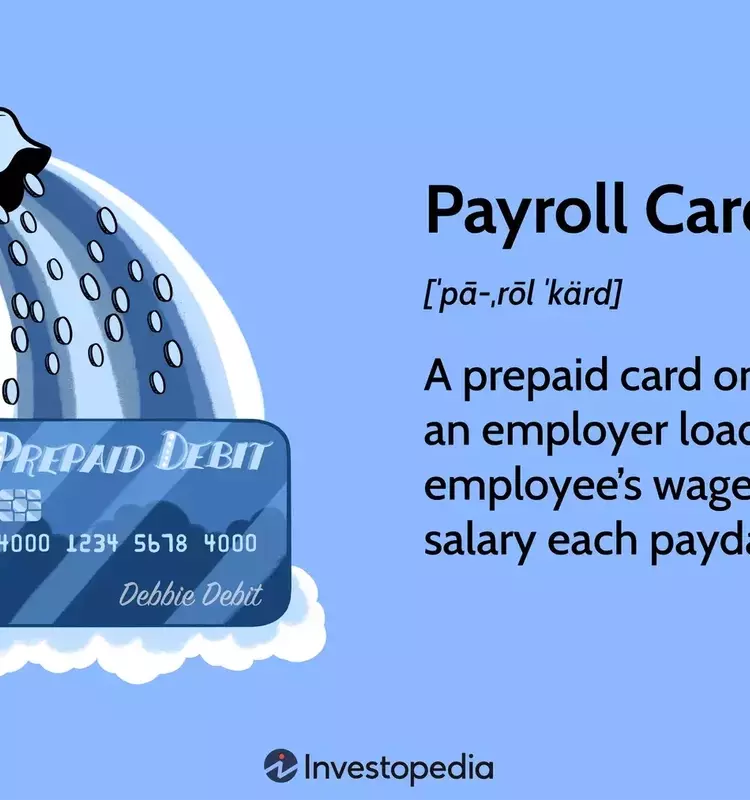
Payroll cards have emerged as a contemporary solution for wage distribution, functioning as prepaid, reloadable debit cards. These cards offer a streamlined alternative to conventional payment methods like direct deposits or physical checks, benefiting both employers and employees. They are particularly valuable for individuals without traditional bank accounts, providing a vital pathway to financial services in an increasingly digital world. The widespread adoption of these cards is a testament to the evolving landscape of payment preferences and the pursuit of greater financial inclusion.
The Rise of Payroll Cards: A Detailed Examination
Payroll cards, often supported by major financial networks such as Visa and Mastercard, act as a bridge for employees to access their earnings. Unlike credit cards, these cards do not involve credit lines, meaning employees cannot incur debt or overdraft. This makes them a secure and straightforward tool for managing wages. For employers, the primary advantage lies in simplifying payroll processes, especially when managing temporary or seasonal staff. Enrolling employees in a payroll card program typically involves the human resources or payroll department, and card providers often extend services like emergency replacements and cash advances for lost or stolen cards.
For employees, payroll cards represent a significant step towards financial empowerment. They facilitate various transactions, including automatic bill payments and cash withdrawals from ATMs. Beyond basic transactions, many payroll card programs integrate with modern payment technologies, allowing users to make online purchases, utilize payment applications like Apple Pay and Samsung Pay, and track their deposits and expenditures. Balance alerts further enhance financial management by keeping users informed about their funds. This comprehensive suite of features contributes to the increasing appeal of payroll cards, particularly as digital payment methods gain prominence and the number of unbanked households, estimated to be around 6 million in the U.S. according to the FDIC, seeks convenient financial solutions.
The transition towards digital payment solutions is an undeniable global trend, and payroll cards are at its forefront. They not only offer operational efficiencies for businesses but also extend crucial financial access to a segment of the workforce that might otherwise face barriers to traditional banking services. This dual benefit underscores their growing importance in modern financial ecosystems.
