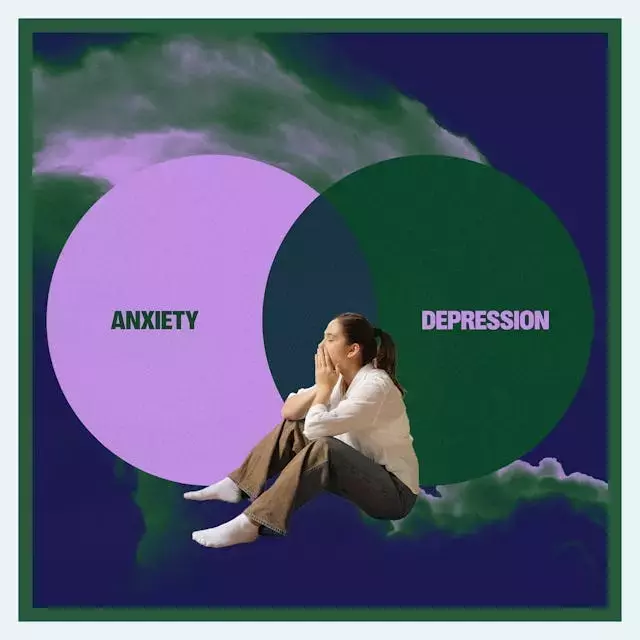
The journey into motherhood is a transformative experience that can significantly impact a woman's mental well-being. It is widely acknowledged that approximately one in five to seven new mothers may encounter a perinatal mood disorder, either during pregnancy or within the first year following childbirth. While postpartum depression (PPD) often receives considerable attention, it is equally important to recognize postpartum anxiety (PPA) as another prevalent condition affecting new mothers, which is frequently underestimated. The subtle overlap in symptoms between these two conditions can lead to confusion, making accurate identification and intervention crucial for maternal health.
Understanding the nuances between PPD and PPA is not merely an academic exercise; it has profound implications for a mother's recovery and overall well-being. Both conditions can present with persistent symptoms that disrupt daily functioning, extending beyond the fleeting "baby blues." However, their distinct symptom profiles necessitate tailored approaches to treatment and support. By recognizing the specific manifestations of each disorder, healthcare providers and families can ensure that mothers receive the most appropriate and effective care, fostering a healthier and more supportive environment for both mother and child.
Distinguishing Postpartum Depression from Postpartum Anxiety
Postpartum depression (PPD) and postpartum anxiety (PPA) are two distinct perinatal mood disorders that, while sharing some commonalities in their onset and impact, present with unique symptom constellations. Both conditions can emerge during pregnancy or within the initial year postpartum, often exacerbated by new stressors associated with motherhood, such as returning to work or changes in infant feeding patterns. Crucially, unlike the transient "baby blues," PPD and PPA are characterized by persistent symptoms lasting for two weeks or more, significantly impairing a woman's daily life and functioning. However, the specific emotional and physical manifestations of each disorder differ, making accurate differentiation vital for effective diagnosis and intervention.
PPD is frequently characterized by pervasive sadness, frequent crying spells, feelings of anger or irritability, and a notable lack of energy or motivation that interferes with daily tasks. Conversely, PPA is primarily marked by excessive and intrusive worries, constant rumination, profound self-doubt, and often accompanied by physical symptoms such as a racing heart, nausea, dizziness, or digestive issues. While some symptoms, including sleep disturbances, appetite changes, and feelings of guilt or shame, can overlap between the two, understanding their core differences is essential. It is also common for mothers to experience both PPD and PPA concurrently, or for one condition to precipitate the other, highlighting the complex interplay of these perinatal mood disorders and the need for comprehensive assessment and individualized treatment plans.
The Critical Importance of Accurate Diagnosis and Treatment
The ability to differentiate between postpartum depression (PPD) and postpartum anxiety (PPA) is paramount for ensuring new mothers receive timely and appropriate support. Without clear information and education, many mothers are left to self-diagnose or remain unaware of the underlying causes of their distress, potentially delaying vital treatment. When the full spectrum of perinatal mood disorders is not recognized, mothers may inadvertently miss out on crucial diagnostic opportunities, especially if their symptoms do not perfectly align with commonly discussed conditions. This lack of precise understanding can prevent them from accessing the specific interventions best suited to their individual needs, prolonging their suffering and potentially impacting their bond with their baby.
Accurate diagnosis not only validates a mother's experience, helping her understand that what she is feeling is a recognizable condition rather than a personal failing, but it also encourages prompt treatment. Delays in seeking help can have significant consequences, affecting a mother's ability to connect with her child and potentially leading to long-term psychological impacts, such as internalizing a narrative of being an "unfit mother." Fortunately, both PPD and PPA are highly treatable conditions, typically through a multi-faceted approach involving individual therapy, group support, and sometimes medication. Support groups tailored to either PPD or PPA can be particularly beneficial, allowing mothers to connect with others sharing similar experiences and symptoms. The availability of resources like Postpartum Support International, offering helplines and local support networks, underscores the treatability of these conditions and their potential to empower mothers to regain their well-being and thrive in their new roles.
