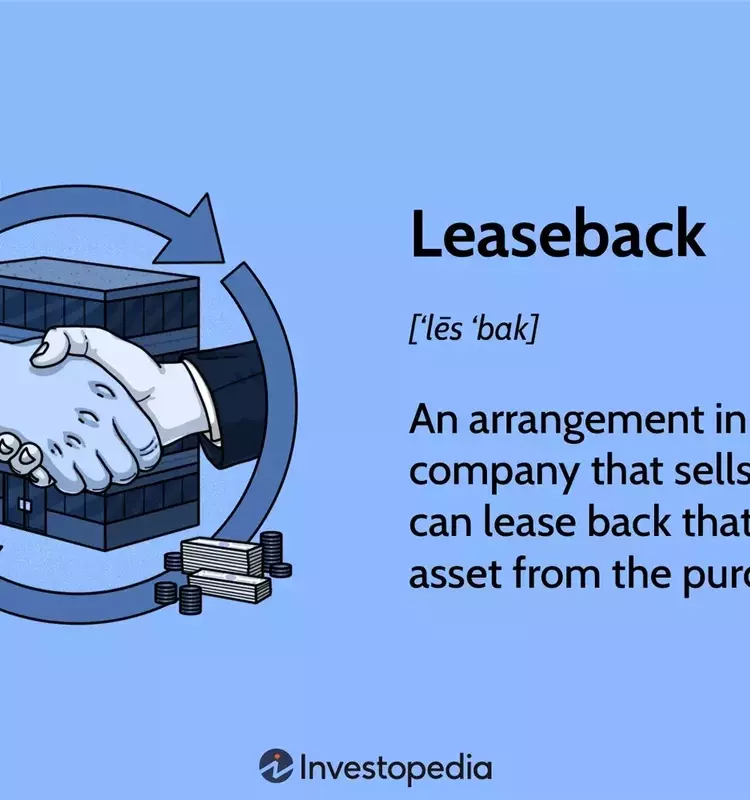
A sale-leaseback is an innovative financial transaction where a business divests an asset and simultaneously enters into an agreement to lease it back from the new owner. This arrangement enables the original owner to unlock capital previously tied up in fixed assets, such as buildings or specialized equipment, while ensuring continuous operational use. This method of financing is particularly attractive to companies seeking to enhance their liquidity and optimize their balance sheets without resorting to traditional debt or equity financing. It presents a flexible alternative that can cater to various strategic financial needs.
Sale-leaseback arrangements are commonly employed in industries characterized by substantial fixed asset investments, such as real estate, aviation, and construction. This financial tool allows businesses to convert illiquid assets into cash, thereby boosting working capital and improving financial ratios. Unlike conventional loans, which add liabilities to a company's balance sheet, a sale-leaseback can actually improve financial health by increasing cash reserves and potentially reducing overall debt exposure. Furthermore, it offers operational continuity, as the seller maintains use of the asset critical to their business without interruption. This dual benefit of capital generation and uninterrupted operations makes sale-leasebacks a compelling option for strategic financial management.
Fundamentals of Sale-Leasebacks
A sale-leaseback is a financial arrangement where a company sells an asset, such as real estate or equipment, to an investor and then immediately leases that same asset back. This allows the original owner, now the lessee, to free up capital that was previously tied to the asset while continuing to use it for their operations. This mechanism is particularly beneficial for businesses that possess high-value fixed assets but require immediate liquidity for growth, debt reduction, or other strategic investments. By converting asset ownership into cash, companies can improve their financial flexibility without disrupting their core business activities or incurring additional debt burdens. This unique approach contrasts with traditional financing methods by providing a hybrid solution for capital generation.
The operational mechanics of a sale-leaseback transaction involve two distinct stages: first, the sale of the asset, and second, the simultaneous lease agreement. The seller transforms into a lessee, paying regular lease payments to the buyer, who becomes the lessor. This structure is particularly attractive because it enables businesses to access a significant amount of capital without diluting equity or taking on new loans. For example, a manufacturing company might sell its factory building and then lease it back to gain cash for new product development or market expansion. The benefit extends beyond immediate cash injection; it can also lead to tax advantages, as lease payments are often deductible as operating expenses. This arrangement provides a powerful tool for companies to manage their assets and financial resources more efficiently, ensuring continuous access to essential equipment or property.
Strategic Advantages and Applications
Sale-leasebacks offer a unique blend of benefits for businesses, primarily serving as a non-debt financing method to unlock capital from existing assets. This strategy is frequently adopted by companies in capital-intensive sectors, such as real estate, transportation, and aerospace, where significant investments are typically made in fixed assets like buildings, land, and specialized machinery. The principal motivation behind utilizing leasebacks is to generate immediate cash flow without surrendering the operational use of critical assets. This approach allows businesses to fund growth initiatives, manage working capital, or reduce existing debt, all while maintaining their core operations seamlessly. It represents a strategic financial maneuver that supports both liquidity and operational stability.
The strategic advantage of sale-leasebacks lies in their ability to improve a company's financial health and flexibility. By selling an asset and leasing it back, a company converts a fixed asset into cash, which strengthens its balance sheet by increasing current assets and avoiding the accumulation of additional liabilities. Unlike debt financing, which adds to a company's debt load and can impact credit ratings, a leaseback provides capital without increasing indebtedness. This can be particularly appealing to companies looking to maintain a strong financial position or those that may face challenges in securing traditional loans. Moreover, this arrangement can offer tax benefits, as lease payments may be deductible, further enhancing the financial appeal of sale-leaseback transactions for both the seller and the buyer.
