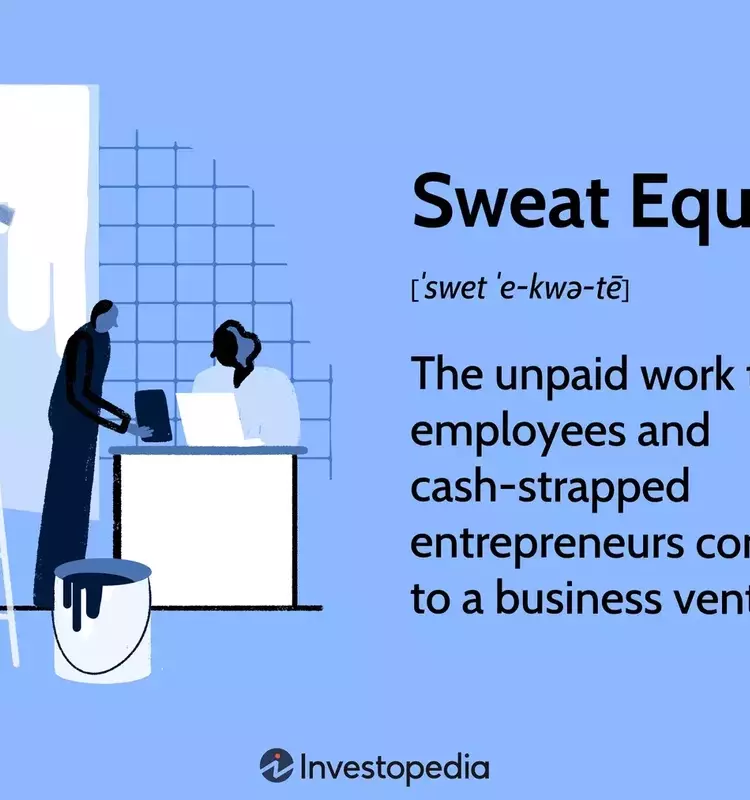
Sweat equity represents contributions made through labor and dedication rather than direct financial investment. This concept is fundamental in various sectors, from real estate to burgeoning startups, where individuals commit their physical and mental efforts to a project's success. It allows for value creation without immediate cash outlays, fostering a sense of ownership and shared destiny among participants. However, the unique nature of sweat equity necessitates clear, formalized agreements to ensure fair compensation and mitigate potential disputes, particularly given its non-traditional valuation methods.
The application of sweat equity extends across diverse contexts. In homeownership and renovation, it empowers individuals to reduce costs by personally undertaking work that would otherwise be outsourced to expensive contractors. For startups, it enables founders and early employees to accept lower salaries, or even defer compensation, in exchange for a share in the company's future. This risk-reward dynamic fuels innovation and growth in nascent ventures. Properly documenting these arrangements, including detailed vesting schedules and performance benchmarks, is essential for legal clarity and equitable distribution of returns, acknowledging the significant personal investment made.
The Essence of Sweat Equity: Beyond Monetary Contributions
Sweat equity is a form of investment that doesn't involve money. Instead, it's about the physical work, intellectual input, and time a person dedicates to a project or business. This kind of contribution is especially common in the real estate and construction industries, where individuals might personally undertake renovation tasks to increase property value without hiring external help. In the entrepreneurial world, it signifies the labor and time invested by founders and early team members, often when financial resources are scarce, in anticipation of future gains from the venture's success.
This unique form of capital is often seen as a way to enhance the value of a specific endeavor. For instance, homeowners can significantly reduce the costs associated with homeownership by performing their own repairs and improvements. Similarly, real estate investors often use sweat equity to maximize profits by personally handling renovations before selling properties. This hands-on approach bypasses the high costs of hiring professionals, making projects more financially viable. In new businesses, owners and employees might accept reduced salaries, opting for an equity stake in the company, believing their efforts will lead to substantial future returns.
Formalizing Commitments and Recognizing Value
Establishing formal agreements for sweat equity arrangements is critical to clearly define the terms of non-monetary contributions. These legal documents are designed to detail how equity is awarded, including the percentage of ownership and the timeline for its issuance. Key components of these agreements typically include a vesting schedule, which specifies how ownership is earned over a period, and performance benchmarks, such as achieving sales targets or other key milestones, that trigger equity allocation. Such formalization ensures transparency and protects all parties involved, especially when significant personal effort is exchanged for a share in a venture's success rather than immediate financial compensation.
Without proper documentation, the terms of sweat equity contributions can become ambiguous, potentially leading to disagreements or legal challenges, particularly if the venture achieves significant success or faces setbacks. These formal agreements provide a verifiable record for tax purposes and legal claims, safeguarding the interests of both the contributors and the venture. They serve as a roadmap, clarifying expectations and responsibilities, and ensuring that the hard work and dedication invested are appropriately acknowledged and rewarded. This is particularly important for startups, where initial contributions are often heavily reliant on the time and expertise of individuals committed to the project's long-term vision, making a clear framework for equity distribution indispensable.
