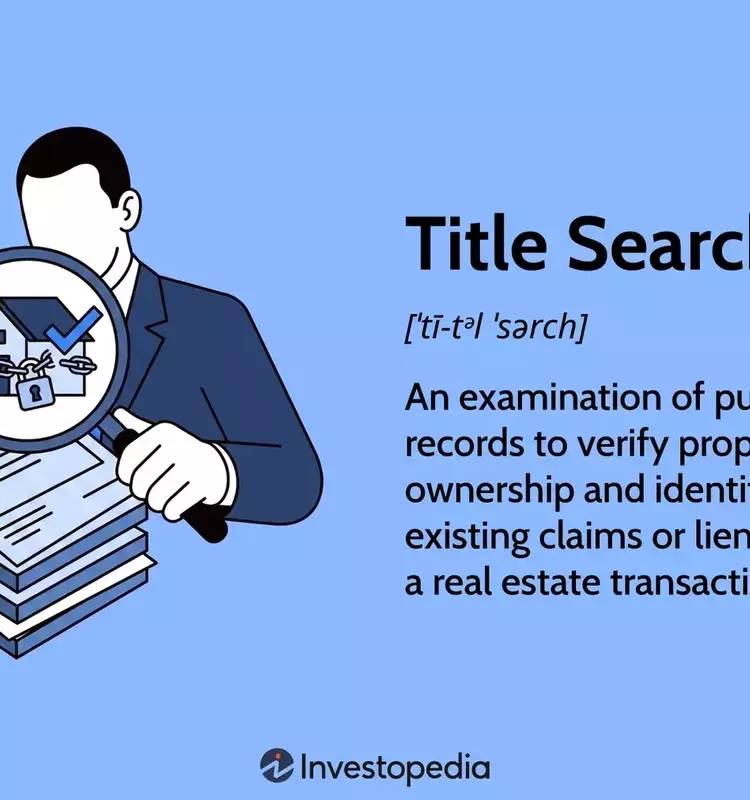
A property title search is a fundamental step in real estate transactions, meticulously examining public records to affirm legal ownership and detect any existing claims or liens. This process is indispensable for guaranteeing a clear title prior to the transfer of property, thereby safeguarding both purchasers and financial institutions from unforeseen legal and financial challenges. Usually performed by specialized title firms or legal experts, a comprehensive title search plays a crucial role in validating property ownership, uncovering encumbrances, and ensuring seamless real estate operations.
The Critical Process of Property Title Verification
A property title search is a meticulous examination of public records to confirm legal ownership and identify any existing claims or liens on a property. This process is paramount in real estate transactions, as it ensures that the title is clear of any encumbrances that could hinder the transfer of ownership. Typically, title companies or legal professionals undertake this task on behalf of prospective buyers or lenders, aiming to verify the property's legal status before a transaction is finalized. This comprehensive search helps in identifying potential issues such as outstanding debts, easements, or unresolved legal disputes that might be attached to the property.
The title verification process involves several key steps, beginning with a detailed review of all recorded documents related to the property. These documents may include deeds, mortgages, liens, judgments, and tax records, all of which are publicly accessible. The goal is to trace the property's ownership history, ensuring that the seller has the legal right to transfer ownership and that no hidden claims exist. For instance, a title search can reveal if there are unpaid property taxes, outstanding mortgage balances, or judgments from creditors that could lead to future legal complications for the new owner. While individuals can attempt to conduct their own title searches, the complexity of legal documents and the intricate nature of public record access often make professional assistance highly recommended to avoid costly oversights.
Safeguarding Your Investment with Title Insurance
Beyond merely identifying claims, the title search process also clarifies the distinction between a "clean" title and a "dirty" title. A clean title signifies sole legal ownership, free from any competing claims or errors. Conversely, a dirty title indicates the presence of unresolved issues, such as undisclosed liens, survey discrepancies, or uncorrected clerical errors in property records. These imperfections can significantly complicate or even halt a property transaction. Therefore, addressing any identified title defects is crucial, potentially involving legal counsel and negotiation with the seller to resolve the issues before proceeding with the purchase. This proactive approach protects the buyer from inheriting legal and financial liabilities associated with a flawed title.
To provide an additional layer of protection, buyers often secure title insurance. Even with a diligent title search, some elusive defects or errors in past records might go undetected. Title insurance acts as a safeguard, protecting both the buyer and their mortgage lender against financial losses arising from such unforeseen title problems that surface after the sale has concluded. Unlike conventional insurance that covers future events, title insurance specifically addresses claims stemming from past occurrences, such as forged documents, errors in public records, or undisclosed heirs. This coverage is invaluable, as it ensures that if a title defect emerges, the insurance company will bear the legal costs and financial burdens associated with resolving the issue, thereby securing the buyer's investment and providing peace of mind.
