Beyond the Irony: Butt Rock's Unstoppable Ascent to Cultural Relevance
The Unexpected Return to Mainstream Stages
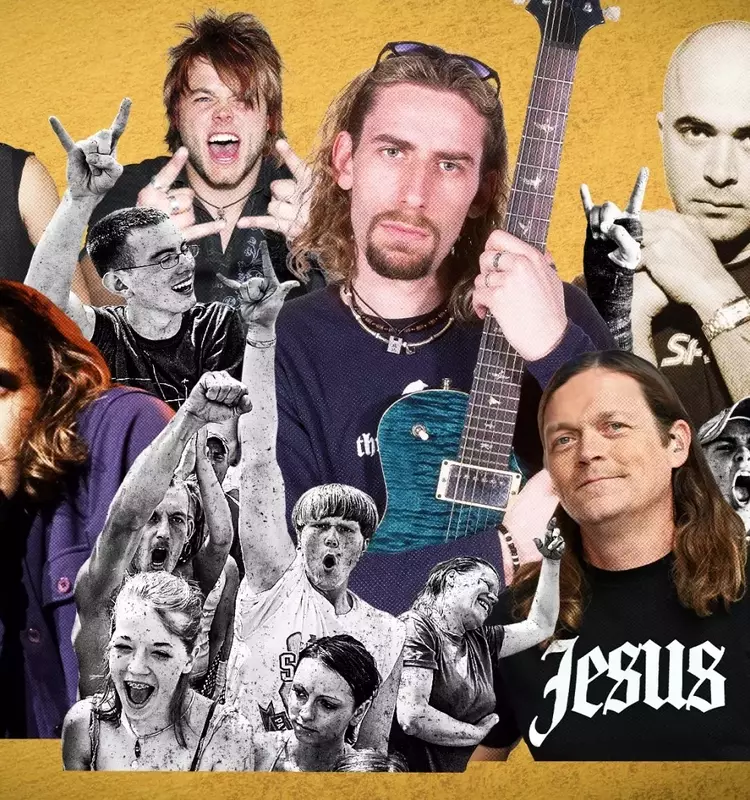
In a surprising turn, bands that defined the early 2000s hard rock scene, often labeled 'butt rock,' are once again packing out major venues. A recent Creed concert in Manhattan, nearly two decades after their peak, drew an enthusiastic crowd, many adorned in nostalgic band merchandise, signaling a powerful return to the spotlight for a band once considered both massively popular and intensely disliked.
From Global Dominance to Critical Disdain: The Early Years
At the turn of the millennium, Creed stood as one of the world's most successful, yet controversial, bands, selling millions of albums globally. Alongside contemporaries like Nickelback and 3 Doors Down, they symbolized a genre that critics often dismissed as uncool, characterized by overt masculinity and a departure from grunge's authenticity. This era saw these bands amass huge commercial success despite, or perhaps because of, their polarizing reputation.
A Shifting Tide of Appreciation: From Scorn to Affection
For years, the bands of this genre faded from mainstream critical acclaim, with their original fanbases aging and new music failing to reach previous chart heights. However, a significant shift began around 2023. Millennials, who grew up with these songs as a soundtrack to their youth, started re-evaluating their perception, moving from ironic dismissal to genuine affection. Social media platforms, particularly TikTok, became fertile ground for this re-evaluation, with users affectionately dubbing the genre 'divorced-dad rock' and celebrating its enduring appeal.
The Digital Era's Embrace: Social Media and Pop Culture Influence
The resurgence has been significantly amplified by social media. Viral videos and memes celebrating these bands have proliferated, attracting both old and new fans. Even contemporary pop stars like Megan Thee Stallion and SZA have openly expressed their admiration for Nickelback and Creed, further legitimizing the genre's newfound cool. This digital embrace has translated into tangible success, with sold-out cruises, festivals, and increased streaming numbers for these artists.
The Architects of Revival: Dedicated Fans and Promoters
The comeback is not just a passive trend; it's actively driven by dedicated fans and promoters. DJ Alanna Raben, frustrated with mainstream music, began hosting "Deadbangers Ball" and "Grunch" parties in New York, playing hard rock and post-grunge music. Her events, initially met with skepticism, have grown into a massive success, demonstrating a genuine and widespread demand for the genre. Similarly, songwriter Bryan Frazier started "Butt Rock Night" in Nashville, providing a space for musicians and fans to celebrate the music they loved unironically, garnering significant online following and official recognition from the bands themselves.
Harnessing the Momentum: Bands Capitalize on Renewed Interest
The bands themselves are actively participating in this revival. Hinder, for instance, has observed a substantial increase in their song plays and released a new album, "Back to Life," to ride the wave of renewed interest. This demonstrates a strategic embrace of the moment, as artists who once faced ridicule now find themselves in a position to benefit from a fan-led resurgence that transcends traditional critical reception.
The Blurring Lines of Nineties Nostalgia: Genre Fluidity
The current appreciation for 'butt rock' also highlights a broader phenomenon: the blurring of genre lines from the late nineties and early 2000s. What were once distinct categories like post-grunge, hard rock, and nu-metal are now often grouped under the same nostalgic umbrella. This simplification, driven by younger generations experiencing this music for the first time, challenges established critical narratives and fosters a more inclusive, if less precise, understanding of the era's diverse sounds.
Generational Divides and Shared Appreciation
While millennials and Gen Z often approach 'butt rock' with a blend of irony and affection, older fans, particularly Gen X, maintain a fierce, unironic loyalty to these bands. This creates a fascinating dynamic, where different generations find connection and even contention over the music. The unyielding support of the original fanbase, who loved these bands despite their 'uncool' status, underscores a deeper, more personal connection that transcends fleeting trends and critical opinions.
Political Undertones and the "Earnest" Performance
The return of these bands, particularly Creed, has also intersected with political currents. Concerts have become venues for patriotic displays, and some political figures have even attempted to co-opt the genre's resurgence to promote conservative ideologies. This introduces a complex layer to the revival, as the bands' earnest, hypermasculine stage presence, once a point of ridicule, is now seen by some as a symbol of traditional values, even if the bands themselves rarely explicitly engage in political discourse.
Personal Connections to the Power Chord: A Fan's Perspective
For many, including those outside the genre's typical demographic, the appeal of 'butt rock' lies in its potent blend of dramatic performance and accessible anthems. The over-the-top masculinity and raw emotion, once a source of mockery, now resonate as a form of theatricality and genuine expression. This personal connection, often formed in childhood, transcends critical analysis and demonstrates the enduring power of music to evoke strong emotions and memories, regardless of its perceived 'coolness.'
Underrated or Undeniable: The Enduring Legacy
The ongoing 'butt rock' renaissance prompts a re-evaluation of its musical merit. While critics may debate whether these bands were truly "great," their ability to consistently produce chart-topping hits and fill arenas suggests a profound connection with a vast audience that often bypassed critical consensus. Ultimately, these bands chose widespread appeal and commercial success over critical acclaim, a decision that now, decades later, proves to have been strategically sound, securing their place as beloved, if once polarizing, figures in rock history.