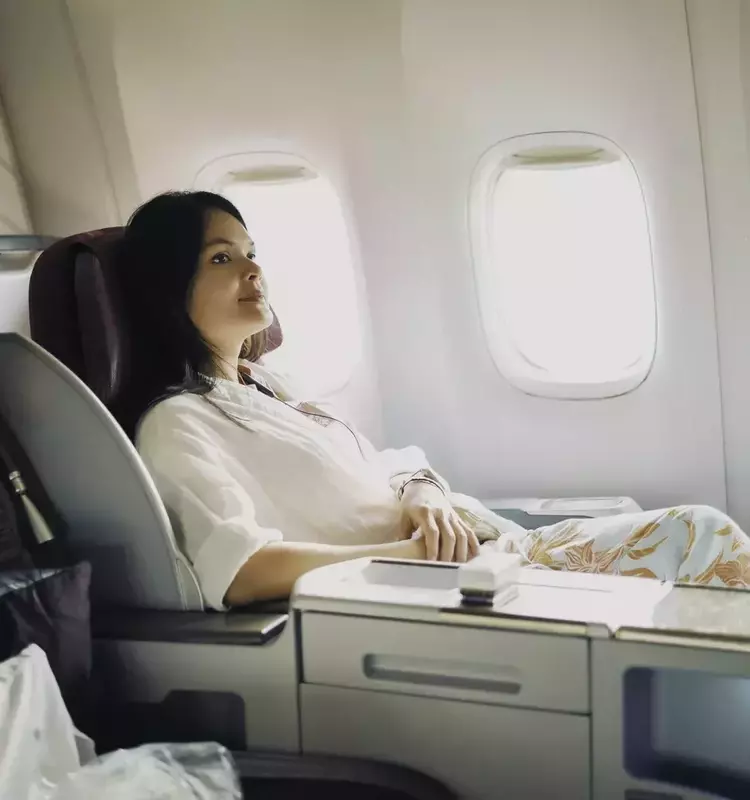
Securing a first-class seat on an airplane, traditionally seen as an extravagant indulgence, is becoming increasingly attainable through various strategic approaches. Travelers can significantly reduce the cost of premium seating by effectively utilizing airline loyalty programs and co-branded credit cards. These financial tools allow individuals to accrue miles and points that can be redeemed for upgrades or even complimentary first-class tickets. Additionally, the timing of booking and travel plays a crucial role; for instance, opting for weekend flights often presents more economical first-class opportunities due to reduced demand from business travelers. Flexibility and a proactive approach, such as inquiring about last-minute upgrades at the airport, can also unlock access to a more comfortable travel experience at a fraction of the standard price.
The distinction between business and first class largely varies by airline, aircraft, and route. While some carriers offer minimal differences, particularly on shorter flights, first class often represents a considerable enhancement in luxury and service. This typically includes increased privacy, superior dining and beverage options, dedicated cabin crew, and exclusive access to airport lounges. For many, especially on long-haul international journeys, these elevated amenities can justify the additional expense. However, for those with budget considerations, business class often provides a comparable level of comfort and service at a more accessible price point, making it a pragmatic choice for many travelers seeking an upgraded experience.
Smart Strategies for Economical First-Class Travel
Acquiring first-class travel without paying exorbitant prices involves a blend of savvy planning and opportunistic decisions. Instead of directly purchasing costly business or first-class tickets, a more economical approach is to focus on accumulating airline miles and points. This can be achieved by actively participating in airline loyalty programs and leveraging the benefits of co-branded credit cards. These programs frequently offer substantial sign-up bonuses and ongoing rewards that can be converted into valuable upgrades or free premium tickets. By strategically using these tools, travelers can bypass the steep initial cost of first-class fares and enjoy an elevated travel experience at a significantly reduced expense.
For those aspiring to fly in luxury without the hefty price tag, a few expert tips can make a world of difference. Rather than booking business class directly with the intention of upgrading, it's often more cost-effective to purchase an upgradeable economy or premium economy fare and then apply accumulated points or miles for a first-class seat. Loyalty programs, though their benefits may have evolved, still offer a pathway to upgrades, and keeping an eye on point expiration dates is crucial. Maximizing elite and airline co-branded credit cards is another powerful strategy, with many offering generous bonus miles that can quickly contribute to a first-class redemption. Additionally, timing flights for weekends, when business travel demand is lower, can lead to more affordable first-class options. Even on the day of travel, polite inquiries at check-in or the gate for last-minute upgrades can sometimes yield surprising discounts, providing a spontaneous route to premium comfort.
Discerning Between Business and First-Class Amenities
The choice between business and first class hinges on several factors, including the airline, the specific aircraft, and the duration of the journey. For many airlines, especially on shorter domestic routes, the amenities offered in business and first class may not be drastically different. However, on longer international flights, first class typically provides a distinctly more luxurious experience. Passengers often benefit from enhanced privacy, such as individual suites or fully flat beds, gourmet meal options crafted by renowned chefs, a highly personalized service experience with a dedicated flight attendant, and exclusive access to luxurious airport lounges. These elevated comforts can transform a long flight into a truly relaxing and enjoyable journey, making the additional investment worthwhile for some travelers.
Understanding the nuances between business and first class is key to making an informed travel decision. While business class generally offers a significant step up from economy with more spacious seating and improved dining, first class takes luxury to an even higher level. This includes unparalleled privacy, often with individual compartments or double beds on select airlines, and an unmatched culinary experience with meals prepared by world-class chefs. The service in first class is also more exclusive, with a higher ratio of cabin crew to passengers, ensuring a highly attentive experience. Additionally, first-class passengers typically enjoy access to elite airport lounges, offering a serene environment before and after their flight. Despite the considerable cost difference—with first-class tickets often reaching five figures for international routes—the comprehensive luxury and comfort provided can be a compelling factor for those prioritizing an exceptional travel experience.
