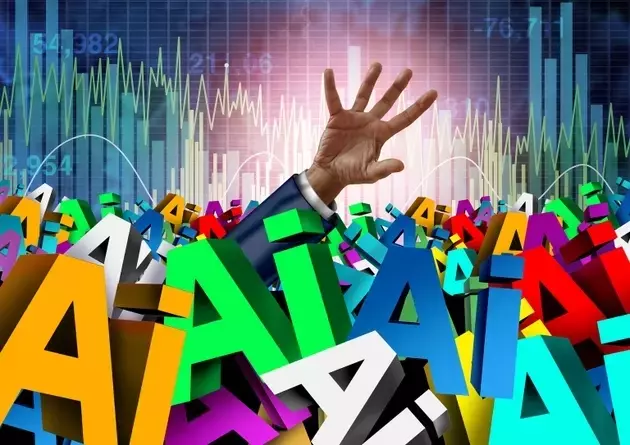
A series of asset bubbles, spanning from special purpose acquisition companies (SPACs) and non-fungible tokens (NFTs) to specific segments of the real estate market, Bitcoin, and even gold, have recently undergone significant deflation. This trend is closely linked to the Federal Reserve's shifts in monetary policy, specifically its aggressive expansion followed by subsequent tightening measures. The commercial real estate sector, particularly office properties in major urban centers, has experienced a drastic decline in value, with some reporting plunges of up to 70%. Furthermore, commercial mortgage-backed securities (CMBS) related to office properties are facing delinquency rates nearing 12%, a figure that surpasses the peaks observed during the Great Financial Crisis. In the residential market, certain areas within the Sun Belt are exhibiting considerable weakness, marked by a surge in available inventory and notable price reductions, such as the 20–26% drops seen in cities like Austin and New Orleans. Concurrently, technology stocks, which now constitute a substantial 55% of the U.S. market capitalization, are increasingly vulnerable to risk, especially if the burgeoning artificial intelligence (AI) sector, possibly indicated by OpenAI’s delayed initial public offering, begins to show signs of a similar deflationary cycle. This analysis delves into the historical context of several asset bubbles that have already burst in recent years and contemplates the potential for AI to be the next major bubble to deflate in the near future.
Dissecting Recent Market Corrections and Future Outlooks
In the wake of substantial monetary policy shifts by the Federal Reserve, the financial markets have witnessed a dramatic revaluation across several asset classes. The period following aggressive monetary expansion saw the rapid inflation of various market segments, including SPACs, the burgeoning NFT market, specific real estate sectors like office properties and Sun Belt housing, and digital currencies such as Bitcoin, alongside precious metals like gold. However, the subsequent tightening of monetary policy has led to sharp corrections, demonstrating the inherent volatility and speculative nature of these investments.
A notable casualty in this economic realignment has been the commercial real estate market. Office property values in major metropolitan areas have plummeted, with some experiencing declines as steep as 70%. This downturn is further underscored by the alarming rise in delinquencies for commercial mortgage-backed securities (CMBS) tied to office buildings, which have reached nearly 12%. This rate not only highlights the severity of the current market stress but also surpasses the peak delinquency levels recorded during the 2008 Great Financial Crisis, signaling a profound challenge for property owners and lenders alike. The ripple effects of remote work trends and evolving urban landscapes continue to pressure this sector, making a swift recovery seem distant.
The residential housing market, particularly in the Sun Belt region, has also shown significant signs of cooling. Cities like Austin and New Orleans have reported substantial price drops, ranging from 20% to 26%, accompanied by a noticeable increase in housing inventory. This shift suggests a move away from the overheated conditions that characterized these markets during the pandemic-driven migration boom, indicating a return to more balanced, albeit less buoyant, market dynamics.
Looking ahead, the discussion inevitably turns to the technology sector, which currently accounts for 55% of the total U.S. market capitalization. Within this dominant sector, the rapid ascent of artificial intelligence (AI) has sparked concerns about a potential bubble. While AI's transformative potential is undeniable, the rapid valuation growth and speculative investment have led many analysts to draw parallels with previous market manias. The recent news of OpenAI's delayed initial public offering, for instance, could serve as a bellwether, potentially signaling a forthcoming re-evaluation of AI companies' valuations. Should the AI bubble indeed begin to deflate, the broad implications for the wider technology market and global economy could be significant, given its current market weighting and widespread investor interest. Investors are keenly watching for signs of overheating or fundamental weaknesses that could trigger a correction, emphasizing the need for cautious optimism and rigorous due diligence in this rapidly evolving landscape.
This comprehensive overview underscores a critical period of adjustment in financial markets. The Fed's policy actions have undeniably reshaped investment landscapes, leading to significant corrections in speculative assets. While some sectors grapple with the aftermath of burst bubbles, the focus is now shifting to the resilience of the technology sector and whether AI, despite its promising innovations, might follow a similar trajectory of boom and bust. For market participants, these developments necessitate a re-evaluation of risk, a focus on intrinsic value, and an understanding of the interconnectedness of global financial systems. The current environment serves as a potent reminder of the cyclical nature of markets and the importance of adapting strategies to navigate evolving economic realities.
