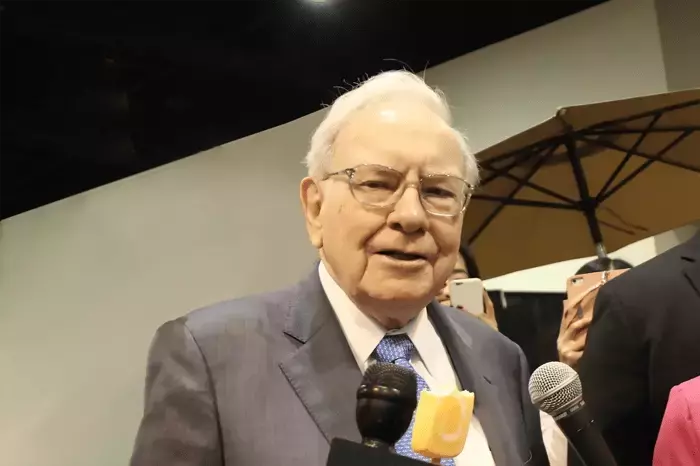
The saga of Kraft Heinz reaches a pivotal moment as the company, once a beacon of strategic mergers supported by investment titan Warren Buffett, now faces an impending separation. This decision to divide the company into two distinct entities reflects years of struggle and unmet expectations since the original union of Kraft and Heinz. The move has drawn criticism from none other than Buffett himself, underscoring the deep challenges that have plagued the consumer staples giant. Observers are left to ponder whether this dramatic restructuring will finally unlock the elusive value that the merger failed to deliver, or if it merely signifies a retreat from a grand, yet flawed, corporate experiment.
For many, this unraveling highlights the complexities of large-scale corporate integrations, especially when foundational issues within the business are not adequately addressed. The initial promise of synergy and cost efficiencies that drove the Kraft Heinz merger ultimately gave way to persistent underperformance and a failure to adapt to evolving consumer preferences. The upcoming split, therefore, is not just a logistical exercise but a profound admission of the original strategy's shortcomings, forcing a re-evaluation of how such massive enterprises can sustain growth and relevance in a dynamic market environment.
The Genesis and Struggles of a Consumer Giant
Kraft Heinz was born from a strategic merger championed by Warren Buffett's Berkshire Hathaway, aiming to create a dominant force in the consumer staples sector through significant cost efficiencies. However, the subsequent years proved challenging, as an intense focus on trimming expenses overshadowed necessary investments in brand innovation and market adaptation. This imbalance led to a decline in competitive standing and, despite leadership changes and divestitures, the company struggled to regain its footing amidst shifting consumer tastes and market demands. The current move to split the company is a direct response to these persistent difficulties, signaling a departure from the initial vision.
The strategic rationale behind the initial merger was rooted in leveraging the combined strength of two iconic food brands, believing that operational synergies and cost-cutting would lead to sustained profitability. Unfortunately, this narrow focus on financial optimization inadvertently neglected the crucial aspect of evolving product lines and marketing strategies, which are vital in the fast-paced consumer goods industry. The company's inability to innovate and connect with contemporary consumers, coupled with an overly aggressive cost-cutting approach, ultimately undermined its market position. The board's subsequent efforts to course-correct, including a change in leadership and portfolio adjustments, were insufficient to reverse the downward trend, paving the way for the radical decision to dismantle the very structure that was once heralded as its future.
The Controversial Decision to Disunite
The impending breakup of Kraft Heinz, a move that surprised many, signals a significant shift in corporate strategy, reflecting the company's deep-seated struggles since its formation. This decision has met with notable disapproval from key figures, including Warren Buffett, whose Berkshire Hathaway is the largest shareholder. Buffett, who previously acknowledged overpaying for his initial investment, now views the split as a potentially futile attempt to resolve underlying issues, suggesting that two struggling entities are unlikely to perform better than one combined, troubled business.
Management's justification for the split centers on the promise of more focused leadership for each new business, suggesting that a simpler structure will foster greater agility and responsiveness. However, this perspective clashes with Buffett's more cynical view, who believes the company's problems are too fundamental for a mere structural change to fix. The immediate negative market reaction, evidenced by a sharp drop in stock price, underscores investor skepticism about the efficacy of this corporate engineering. This move, perceived by many as a short-term solution to avoid deeper, more complex issues, casts a shadow over the company's future, as a commitment to internal restructuring might divert attention from the critical task of revitalizing its core business and adapting to the evolving consumer landscape.