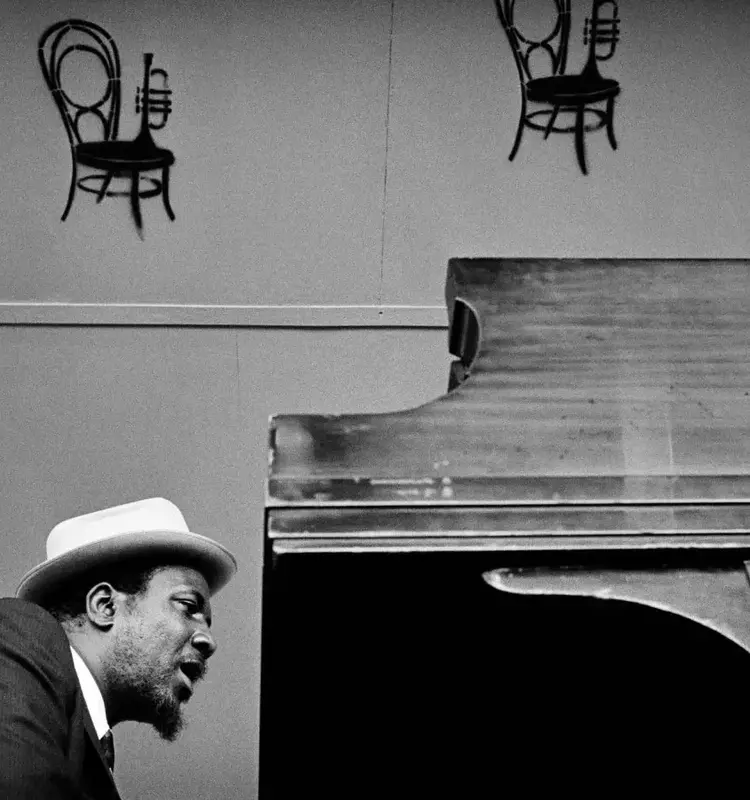
In 1968, in the midst of racial tension and the Civil Rights movement, an improbable concert unfolded in Palo Alto, California, orchestrated by a determined 16-year-old, Danny Scher. This event, featuring the enigmatic jazz icon Thelonious Monk, defied expectations in a predominantly white high school within a racially segregated town. Against all odds, Monk arrived, proving that music could bridge divides and unite a community. The performance, meticulously recorded by a school custodian on a reel-to-reel tape, would remain unheard for decades, preserving a snapshot of a unique cultural moment.
Years later, as this remarkable recording prepared for release, it faced an unexpected challenge. Record labels, particularly Sony, claimed ownership of the tape, initiating a legal battle against Monk's estate and the album's proponents. This struggle highlighted the ongoing exploitation faced by musicians, even posthumously. However, through the persistence of Monk's son, T.S. Monk, and Danny Scher, forensic evidence revealed Sony's claims were unfounded, ultimately leading to the album's release. This victory not only brought Monk's exceptional performance to light but also shed light on his personal struggles with undiagnosed bipolar disorder and the industry's historical mistreatment of artists.
The rediscovery and release of this concert recording underscore the enduring power of music to transcend time and adversity. It is a testament to the vision of a teenage enthusiast who defied societal norms, bringing together disparate communities through the universal language of jazz. The narrative also serves as a poignant reminder of the importance of artistic integrity and the fight for justice, ensuring that the true value of an artist's work and their profound contributions are recognized and preserved for future generations, inspiring a deeper appreciation for their legacy.