UPS Faces Headwinds: Tariffs, Cash Flow, and Market Pessimism
Stocks

UPS Faces Headwinds: Tariffs, Cash Flow, and Market Pessimism

DateAug 31, 2025
Read time2 min

The United Parcel Service (UPS) is confronting a period of considerable flux in its operational landscape, as highlighted by expectations surrounding its upcoming third-quarter earnings report on October 18, 2025. The prevalent sentiment suggests that the report may not deliver positive news, primarily due to the adverse effects of trade tariffs on its crucial small and medium-sized business clientele. These tariffs have contributed to a noticeable reduction in shipping volumes from this vital market segment, underscoring the dynamic and often unpredictable nature of the current trading environment for global logistics giants.

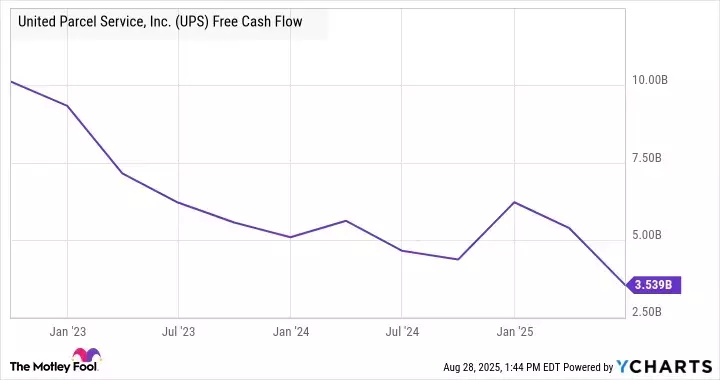
Furthermore, concerns are mounting regarding UPS's financial stewardship and its long-term viability. The company's current dividend yield, unusually high for a blue-chip enterprise, raises questions about the sustainability of its dividend payouts in the eyes of the market. Despite reassurances from CEO Carol Tome about the company's robust free cash flow and strong balance sheet supporting the dividend, the combined outflows for dividends and share buybacks significantly exceed the company's present free cash flow generation. This disconnect in capital allocation strategy, particularly in light of deteriorating market conditions, prompts skepticism among investors, contributing to the stock's recent downturn and an overall pessimistic market assessment.

Looking ahead, the upcoming earnings announcement is poised to be a pivotal moment for UPS, potentially ushering in considerable market volatility. There are two primary scenarios: either the company concedes to market pressures by reducing its dividend and revising guidance, which could paradoxically make the stock more attractive to long-term investors seeking value, or it manages to defy expectations with surprisingly positive results. The latter, while possible, appears less probable given the prevailing economic headwinds and the challenging market conditions facing its key business segments. The market's current bearish stance suggests that any positive deviation from expectations would likely be met with a significant upward movement in share price, as investors recalibrate their outlook based on new information.

In the face of these challenges, it is imperative for companies to demonstrate resilience, adaptability, and a clear vision for sustainable growth. Navigating complex global economic forces requires not only strategic adjustments in operations but also a commitment to transparent and responsible financial management. The journey through adversity often reveals true strength and character, laying the foundation for future innovation and renewed prosperity, benefiting all stakeholders in the long run.

More Articles
Navigating Economic Currents: Tech Dominance, Shifting Consumer Tastes, and Tariff Impacts
The latest earnings season offers critical insights into market dynamics. Artificial intelligence remains a formidable growth engine for major tech firms, with continued heavy investment expected. Meanwhile, the restaurant industry is experiencing a notable shift: quick-service establishments face headwinds as casual dining options gain traction. Concurrently, increasing tariffs are broadly impacting various sectors, from automotive to consumer staples, raising concerns about their potential to slow economic growth and affect consumer purchasing power.
Aug 31, 2025
Understanding Social Security Benefits for Retirement Planning
Many future retirees misunderstand the role of Social Security in their post-work finances. This article highlights the critical importance of accurately estimating Social Security benefits before retirement to avoid potential income shortages. It explains that these benefits typically replace only a fraction of pre-retirement earnings and encourages proactive financial planning, including utilizing online tools to assess future income and boosting personal savings to ensure a comfortable retirement.
Aug 31, 2025
Procter & Gamble's Stock Trajectory: Can the Consumer Goods Giant Reclaim Its Peak?
Procter & Gamble, a leading consumer goods company, experienced a stock peak in December 2024 but has since seen a decline, underperforming the S&P 500 over the past five years. This article delves into the historical performance of P&G's stock, analyzing its past highs and current challenges. It explores factors influencing its recent dip, including market fluctuations and economic concerns, while also examining the company's robust fundamentals and strategic initiatives for future growth.
Aug 31, 2025
ExxonMobil's Remarkable Comeback: Outperforming the Market in Recent Years
ExxonMobil, once stagnant, has shown a significant resurgence in the past five years, dramatically outperforming the S&P 500. This turnaround is largely attributed to the company's strategic investments during a period of low oil prices and its resilience in navigating market volatility. Shareholders who invested in August 2020 have seen substantial returns, highlighting the effectiveness of counter-cyclical investment strategies within the oil and gas sector.
Aug 31, 2025
Maximizing Your Savings: The Impact of High-Yield Accounts
This article highlights the significant financial disparity between traditional savings accounts like Wells Fargo's, offering a paltry 0.01% APY, and high-yield savings accounts (HYSAs) that boast 4.00% APY or more. Over five years, a $10,000 deposit in a Wells Fargo account would accrue only $5 in interest, whereas the same amount in an HYSA could yield nearly $2,000. The article emphasizes the ease of switching to an HYSA and outlines common uses for such accounts, urging readers to make the move for substantial long-term gains.
Aug 31, 2025