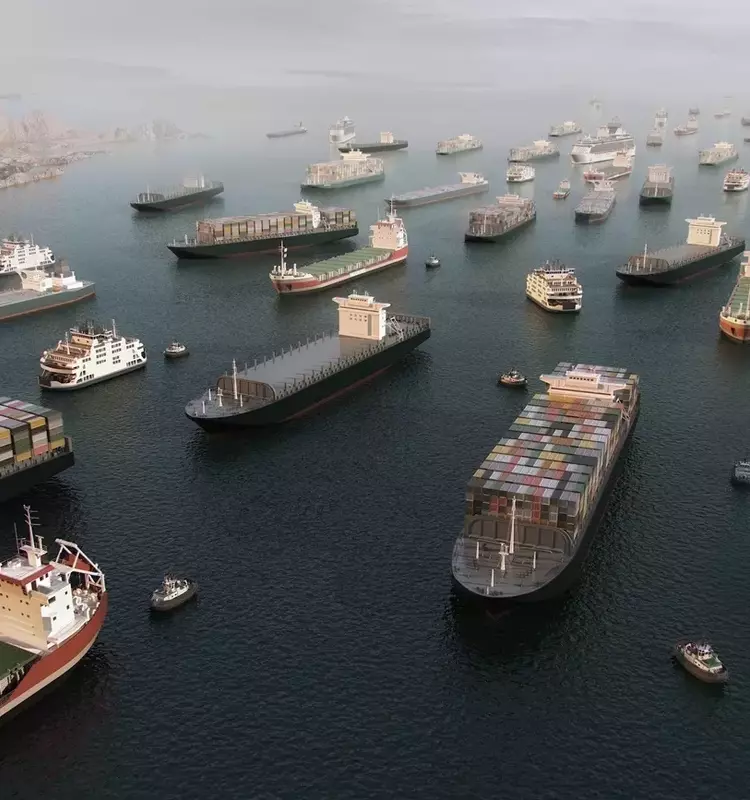
The geopolitical landscape surrounding the Strait of Hormuz is at a critical juncture, with recent diplomatic efforts between the United States and Iran potentially offering a pathway to de-escalation and stability in global oil markets. The ongoing closure of this vital maritime choke point has raised significant concerns about an imminent surge in crude oil prices, threatening to unleash a wave of inflation and a subsequent worldwide economic recession. While the prospect of an agreement is encouraging, the inherent complexities of the negotiations and the entrenched positions of both parties suggest that a return to the status quo ante bellum in Hormuz is a distant and challenging objective.
The current situation demands a careful examination of the potential outcomes, ranging from a successful diplomatic breakthrough that reopens the Strait and stabilizes oil prices, to a failure of negotiations that could plunge the global economy into turmoil. Understanding the intricacies of these discussions, the motivations of the key players, and the potential repercussions for international trade and energy security is paramount. This analysis aims to shed light on these critical issues, exploring the hopes for a peaceful resolution and the formidable obstacles that lie ahead.
The Critical Nexus of Diplomacy and Global Oil Stability
The United States and Iran are reportedly involved in sensitive discussions aimed at securing an accord that could lead to the reopening of the Strait of Hormuz. This strategic waterway has been blockaded for over two months, triggering widespread alarm among international financial institutions and energy markets. The primary objective of these negotiations is to prevent a catastrophic rise in oil prices, which analysts fear could reach an unprecedented $200 per barrel. Such an escalation would inevitably trigger an inflationary shock, profoundly impacting global economies and potentially initiating a severe recession within a matter of weeks. The urgency of these diplomatic efforts underscores the recognition that failure to reach a resolution could have far-reaching and devastating consequences for energy security and economic stability worldwide.
The negotiations represent perhaps the final opportunity to forge a deal that averts a dire economic scenario. However, the path to an agreement is fraught with considerable challenges. Iran’s historical reluctance to accept external monitoring and its insistence on linking the Hormuz issue with broader nuclear discussions complicate the negotiation process. The United States, on the other hand, faces pressure to address both maritime security and nuclear non-proliferation concerns simultaneously. Even if a memorandum of understanding is eventually signed, experts caution that the Strait of Hormuz is unlikely to revert to its pre-conflict operational conditions, suggesting that any future arrangements will necessitate continuous vigilance and a delicate balance of interests to maintain stability.
Navigating Obstacles and Future Implications for Energy Markets
Despite the pressing need for a resolution, numerous formidable obstacles stand in the way of a comprehensive US-Iran agreement regarding the Strait of Hormuz. A primary challenge stems from Iran's deep-seated distrust of external oversight and its steadfast refusal to decouple the issue of maritime passage from its broader nuclear program. This interwoven stance makes it exceedingly difficult for negotiators to achieve a narrow agreement solely focused on the Strait. Furthermore, the memory of past diplomatic failures and the prevailing geopolitical tensions between the two nations continue to cast a long shadow over current discussions, making mutual concessions and trust-building particularly arduous tasks. The lack of a clear, mutually agreeable framework for de-escalation further complicates efforts to secure a lasting solution.
Should diplomatic efforts fail to materialize into a concrete agreement, the implications for global markets would be severe and immediate. Without a reopening of the Strait of Hormuz, the price of crude oil is projected to surge dramatically, potentially reaching $200 per barrel. This would not only ignite an inflationary spiral across economies worldwide but also trigger a profound global recession as energy costs cripple industries and consumer spending. Financial markets would experience significant volatility, with key indices like the S&P 500 facing a sharp correction due to the macroeconomic disconnect caused by soaring energy prices and widespread economic uncertainty. Moreover, the failure to secure a deal could exacerbate regional instabilities, leading to increased military posturing and further disruptions to global supply chains, thereby deepening the economic crisis and prolonging its impact.
