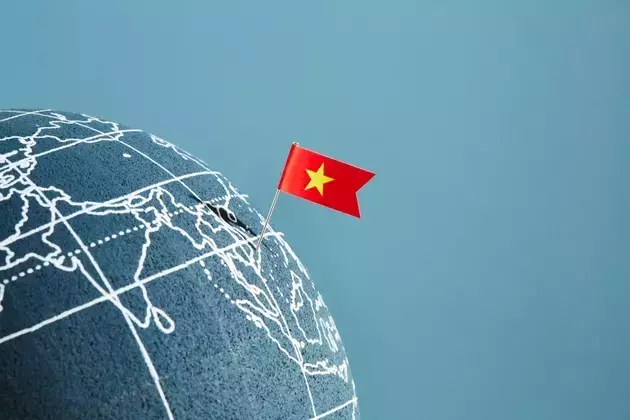
Vietnam's Ascent as a Manufacturing Powerhouse: Opportunities and Challenges in the 'China+1' Era
In recent years, Vietnam has rapidly solidified its position as a key global manufacturing hub, largely propelled by the "China+1" business model. This strategy, adopted by numerous multinational corporations, involves maintaining production facilities in China while simultaneously establishing a secondary manufacturing base in another country to mitigate supply chain risks and enhance operational resilience. Vietnam has emerged as the foremost beneficiary of this strategic realignment, attracting significant foreign investment and fostering a dynamic industrial landscape. This article delves into the factors driving Vietnam's ascendancy, highlights major companies that have embraced this shift, and examines the inherent opportunities and challenges for investors.
A pivotal moment in this industrial migration occurred in 2019 when tech giant Apple initiated the relocation of its AirPod production from China to Vietnam. This move underscored a broader trend, with many other prominent global brands following suit. The primary impetus behind the "China+1" approach is the desire to reduce over-reliance on a single country for manufacturing, particularly in light of geopolitical tensions, trade disputes, and disruptions such as the COVID-19 pandemic. By diversifying production locations, companies aim to safeguard against potential supply chain vulnerabilities and ensure business continuity.
Vietnam's appeal as the "+1" destination is rooted in several compelling factors. Firstly, its strategic geographical location in Southeast Asia offers excellent connectivity to major shipping routes and key markets. Secondly, the country boasts a relatively young, abundant, and cost-effective labor force, providing a competitive edge in manufacturing. Thirdly, the Vietnamese government has actively promoted foreign direct investment through favorable policies, tax incentives, and the development of industrial parks and infrastructure. Fourthly, Vietnam has aggressively pursued and signed numerous free trade agreements, facilitating easier access to international markets for goods produced within its borders. Lastly, the nation's political stability, coupled with a growing domestic market, presents an attractive environment for long-term business growth.
However, despite its promising trajectory, Vietnam's growth story is not without its complexities and risks. Investors eyeing the Vietnamese market must be cognizant of potential pitfalls, including currency fluctuations that can impact returns, market liquidity constraints that may affect trading, and sector concentration risks, particularly in areas like real estate and banking. Furthermore, as a single-party state, policy uncertainty and regulatory changes can pose challenges. A thorough understanding of these risks, alongside the significant growth potential, is crucial for informed investment decisions in this rapidly evolving emerging market.
The strategic move by global corporations to diversify their manufacturing footprint beyond China has undeniably positioned Vietnam as a significant player on the world stage. Its competitive advantages in labor, favorable government policies, and expanding trade networks have attracted major brands, bolstering its economic growth. While the opportunities for investors are substantial, navigating the Vietnamese market requires a comprehensive assessment of its unique challenges, from economic volatility to regulatory shifts. A balanced approach, acknowledging both the bright prospects and inherent risks, is essential for capitalizing on Vietnam's emergence as a vital manufacturing and investment destination.
