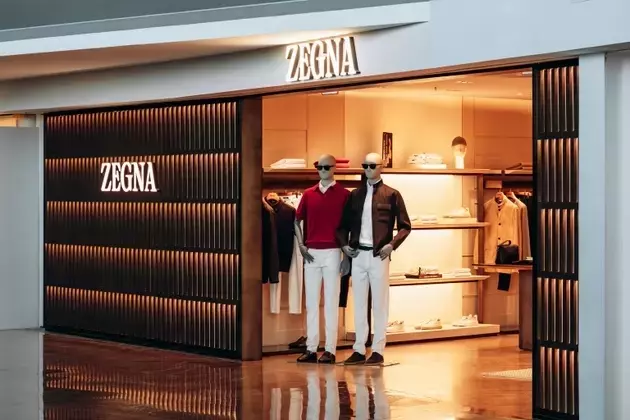
Ermenegildo Zegna N.V. recently announced its second-quarter financial results, showcasing an impressive 11% rise in group sales. This performance outstripped analyst predictions, largely due to the robust growth in its direct-to-consumer channels and the intrinsic strength of its core brands. While the company's leadership projects continued sales acceleration into the third quarter, especially noting positive trends in key global markets, underlying concerns persist regarding the future trajectory of its Thom Browne and Tom Ford segments. These challenges, combined with a seemingly constrained valuation potential, suggest a cautious, neutral stance on the stock.
The luxury fashion conglomerate is navigating a complex landscape. Its multi-brand strategy, while offering diversification, also introduces strategic complexities and potential inefficiencies. The success of the primary Zegna brand is undeniable, yet the prolonged uncertainty surrounding the full recovery and strategic alignment of Thom Browne and Tom Ford casts a shadow over the group's overall coherence and long-term strategic direction. This intricate balance of brand performance and market dynamics necessitates a careful evaluation of its future outlook.
Zegna's Robust Sales Growth and Market Positioning
Ermenegildo Zegna N.V. has demonstrated exceptional market resilience, with its second-quarter group sales expanding by 11%. This surge notably exceeded the average consensus among analysts, underscoring the effectiveness of its market strategies and the strong appeal of its luxury offerings. The direct-to-consumer segment, in particular, played a pivotal role in this growth, reflecting successful customer engagement and brand loyalty. The company's optimistic forecast for the third quarter, buoyed by early July sales figures and promising trends across critical geographical markets, further reinforces its strong operational momentum. Despite this positive outlook, the luxury sector remains susceptible to broader economic shifts and evolving consumer behaviors, necessitating continuous adaptation and strategic foresight from Zegna's management.
The company's strong performance is largely attributed to its established brand equity and effective retail management. The Zegna brand itself has been a significant driver, registering an 18% growth, which is considerably higher than the 11% expected by market observers. This growth was particularly pronounced in regions such as the Americas and the Middle East, indicating a successful expansion and penetration into diverse consumer bases. The emphasis on direct engagement with customers through its DTC channels has allowed Zegna to control the brand experience more effectively, foster deeper customer relationships, and capture higher margins. This strategic focus on brand strength and direct sales is crucial for navigating the competitive luxury market and sustaining growth amidst global economic uncertainties.
Challenges in Multi-Brand Strategy and Valuation Limits
Despite the strong performance of its flagship brand, Ermenegildo Zegna N.V. faces considerable hurdles within its multi-brand portfolio, particularly concerning Thom Browne and Tom Ford. The limited clarity regarding the recovery and sustained profitability of these acquired brands highlights a potential dilution in the group's strategic focus. This multi-brand structure, while intended to broaden market reach, introduces operational complexities and capital allocation challenges. The need for ongoing investments to shore up underperforming segments, combined with a general sentiment of market volatility, raises questions about the overall efficiency and strategic alignment of the group's diverse brand ecosystem. The cautious outlook on these segments ultimately contributes to a neutral rating for the company, as their uncertain trajectory may offset gains from the core Zegna brand.
The integration and revitalization of Thom Browne and Tom Ford present a complex strategic puzzle for Zegna's management. While the main Zegna brand continues to thrive, the slower-than-anticipated recovery of these complementary labels impacts the group's consolidated financial outlook and strategic narrative. The market's perception of value is influenced by the collective performance of all brands under the Zegna umbrella. If Thom Browne and Tom Ford do not achieve their expected strategic and financial targets, it could cap the overall valuation potential of the group. Furthermore, the inherent complexities of managing distinct brand identities, supply chains, and market positioning within a single corporate structure demand meticulous strategic oversight to ensure that the synergies outweigh the challenges, thereby unlocking sustained value for shareholders.
