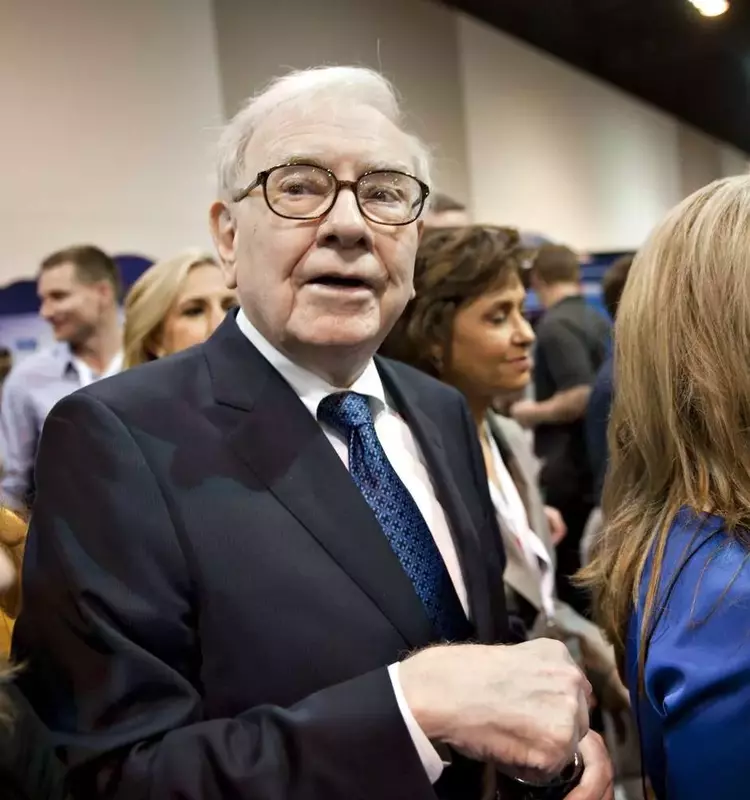
Even after transitioning from his long-held CEO role at Berkshire Hathaway, Warren Buffett maintains a significant hand in guiding the company's investment philosophy and asset allocation. His enduring influence is evident in the firm's strategic moves, a testament to his value-driven approach. This article delves into the nuances of this leadership transition, highlighting how Buffett's seasoned expertise continues to inform Berkshire Hathaway's financial trajectory, even as new CEO Greg Abel steps into the spotlight for shareholder engagement.
For the first time in six decades, the iconic figure Warren Buffett will not be the primary speaker at Berkshire Hathaway's annual meeting's audience Q&A sessions. This pivotal shift sees Greg Abel, who assumed the CEO position earlier this year, taking the helm. Abel will conduct two separate Q&A sessions, joined by industry leaders such as Ajit Jain, Vice Chair of Insurance Operations, and Katie Farmer, CEO of BNSF Railway, along with Adam Johnson, CEO of NetJets. This arrangement signifies a new era of direct engagement between Berkshire's leadership and its shareholders, offering a fresh perspective on the company's future direction.
Despite his reduced public role, Buffett's involvement in investment decisions remains substantial. In a recent interview, he disclosed his continued daily presence at the office and his routine calls to Mark Millard, Berkshire's Director of Financial Assets, before market opening. This ritual involves discussing premarket activity and adjusting limit orders, with Millard providing hourly updates on trades. While Abel holds the ultimate authority over these transactions, Buffett’s active participation underscores his deep commitment to the company's financial health and strategic growth. This level of engagement dispels any notions of a passive retirement, reaffirming his role as a key influencer in Berkshire's investment landscape.
Berkshire Hathaway's investment portfolio reflects Buffett's enduring preference for robust, cash-generating enterprises. Recent acquisitions, such as an increase in Chubb shares, a substantial stake in Chevron, and a significant investment in The New York Times Company, align with his long-standing strategy of acquiring undervalued assets. Furthermore, the company's continuous accumulation of cash reserves, surpassing $373 billion by the end of 2025, and a recent $226 million share buyback, indicate a cautious yet opportunistic approach to market dynamics. This strategic financial positioning provides flexibility for future investments and underscores a belief in the intrinsic value of Berkshire Hathaway's shares.
The company's recent strategic maneuvers also highlight a deepening commitment to certain sectors and regions. A notable example is the $1.8 billion stake acquired by National Indemnity, Berkshire's reinsurance subsidiary, in the Japanese insurer Tokio Marine Holdings. This move strengthens Buffett's existing investments in major Japanese firms, signaling a continued confidence in the stability and growth potential of these international markets. These actions, combined with the leadership transition, set the stage for an intriguing period of evolution and continuity at Berkshire Hathaway.
The upcoming 13F filing on May 15 is highly anticipated by investors, as it is expected to reveal more details about the company's recent investment activities. This document will offer insights into the specific trades made and potentially shed light on the nature of the "tiny purchase" Buffett alluded to earlier. Such disclosures are crucial for understanding the immediate impact of the new leadership structure on Berkshire Hathaway's portfolio and for discerning the extent of Buffett's direct influence on daily trading decisions. The financial community eagerly awaits this filing as a key indicator of future trends.
As Berkshire Hathaway navigates this new chapter, the investment community will closely monitor Greg Abel's leadership during the upcoming shareholder Q&A sessions. These interactions will offer the first extensive glimpse into how Abel articulates and defends the company's investment strategy, moving forward from Buffett's direct guidance. The transition marks a significant moment, combining the wisdom of an investing legend with the fresh perspectives of new leadership, all while maintaining a consistent focus on value and long-term growth.
