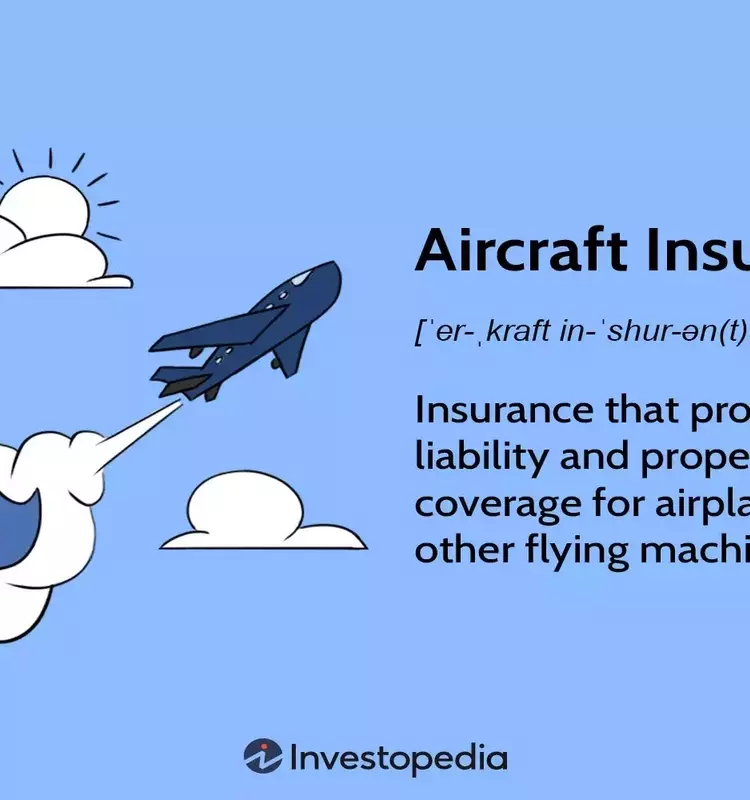
Aircraft insurance offers vital financial safeguards for individuals and businesses involved in owning and operating aircraft. This specialized insurance, often referred to as aviation insurance, extends coverage to a diverse range of flying machines, including conventional airplanes, custom-built experimental aircraft, classic vintage models, and even seaplanes. It typically addresses both liability risks, covering potential harm to third parties or property, and physical damage to the aircraft itself. Beyond basic protection, more extensive policies might also include damage to airport facilities, hangars, and other ground-based assets. Additionally, many pilots and operators opt for aviation accident insurance to provide coverage for injuries or fatalities.
Understanding the intricacies of aviation insurance is crucial because standard commercial general liability policies generally exclude claims arising from aircraft ownership, maintenance, or usage. Therefore, businesses utilizing private aircraft for their operations must secure specific aircraft insurance to manage their exposure to liability losses. This may involve dedicated aircraft liability policies, non-owned aircraft liability coverage, and potentially excess liability policies. These comprehensive plans often include coverage for third-party liability, physical damage (hull coverage), and medical expenses. Since aviation policies are not standardized, their terms can vary considerably. Some insurers offer bundled policies that integrate aircraft liability and hull coverage with other aviation-specific protections, such as aircraft products liability, airport liability, general liability for land-based operations, and hangar keeper's liability.
Moreover, these policies may extend to personal belongings of passengers and provide indemnification for the hangars where aircraft are stored. Coverage can also include injuries sustained during flight operations, emergency landing costs, and expenses related to search and rescue efforts. The type and cost of coverage are significantly influenced by the aircraft itself, its intended use (recreational or commercial), and its origin. For instance, homemade aircraft might be perceived as higher risk than factory-built ones, and some policies offer 'first flight' coverage for these custom-built planes. Insurance solutions are also available for flight training businesses, corporate jet fleets, and flying clubs where multiple members share aircraft usage, even covering rented aircraft where the operator could face significant liability for damage.
Obtaining adequate aircraft insurance is not merely a regulatory requirement; it is a profound commitment to safety and responsibility. By securing comprehensive coverage, aircraft owners and operators demonstrate foresight and dedication to minimizing potential risks. This proactive approach not only protects financial assets but also fosters a culture of preparedness and care within the aviation community, ultimately contributing to safer skies and a more secure future for all involved.
