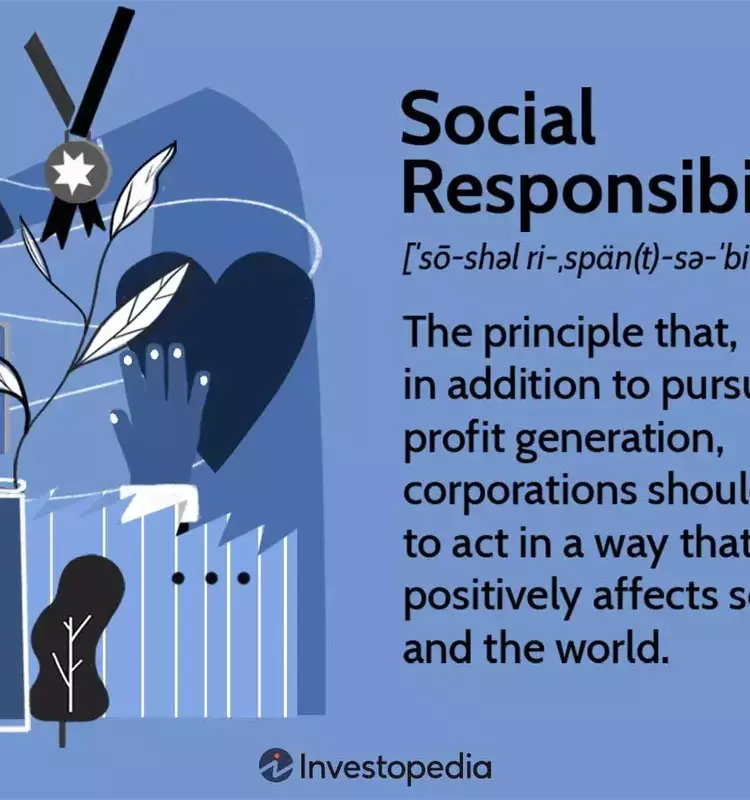
Corporate Social Responsibility (CSR) represents a modern business paradigm where companies commit to operating ethically and contributing positively to society and the environment, alongside their financial objectives. This strategic integration of social and environmental concerns into business models is increasingly driven by evolving consumer and investor expectations. While critics argue that a focus on social good can divert from the core profit-maximization goal, proponents highlight that CSR can significantly enhance brand reputation, foster customer loyalty, and ultimately, improve financial performance. The ongoing debate underscores the dynamic relationship between corporate responsibility and economic success.
The concept of Corporate Social Responsibility (CSR) has become a cornerstone of contemporary business, reflecting a growing awareness that companies have a role beyond mere profit generation. This approach involves a commitment to ethical conduct, environmental stewardship, and social equity, influencing everything from supply chain management to community engagement. The integration of CSR into business strategy demonstrates a recognition that long-term success is intertwined with societal well-being and environmental health. Companies adopting CSR often report improved public image, stronger stakeholder relationships, and increased employee morale, proving that responsible business practices can indeed coexist with and even enhance profitability.
The Evolution of Corporate Responsibility
The evolving landscape of business ethics has placed corporate social responsibility at the forefront, with a growing emphasis on how companies contribute to global welfare. This shift is largely influenced by consumers and investors who increasingly favor businesses demonstrating a commitment to ethical and sustainable practices. The integration of CSR into business models, as highlighted by a Massachusetts Institute of Technology study, suggests that social responsibility can act as a "halo strategy," improving a company's overall image and attracting broad benefits from diverse stakeholders. This strategic alignment of profit and societal benefit reflects a departure from traditional corporate philosophies, emphasizing that doing good can also be good for business.
Historically, the primary focus of businesses was solely on maximizing shareholder wealth. However, contemporary societal pressures and a deeper understanding of interconnectedness have led to a re-evaluation of this narrow perspective. Businesses are now expected to consider their broader impact on communities, the environment, and future generations. By embracing CSR, companies engage in various initiatives, from environmental protection to fair labor practices and philanthropic activities. This proactive stance not only helps mitigate negative externalities but also builds trust and loyalty among consumers and investors, who are increasingly using social and environmental criteria to guide their purchasing and investment decisions. The voluntary adoption of these practices, rather than mere compliance with regulations, is often seen as a stronger indicator of genuine commitment.
Key Pillars of Modern Business Ethics
Modern business ethics are increasingly defined by core principles that guide companies towards responsible and sustainable operations. These principles extend beyond legal compliance, encompassing a commitment to environmental protection, fair labor practices, and philanthropic engagement. Companies are recognizing that their long-term viability and public perception are intrinsically linked to their social and environmental impact. By embedding these ethical considerations into their strategic frameworks, businesses not only fulfill a moral obligation but also enhance their brand value and stakeholder relationships, driving a more holistic approach to corporate success.
The pillars of corporate social responsibility are multifaceted, reflecting a comprehensive approach to ethical business conduct. Environmental initiatives, such as reducing carbon footprints, conserving resources, and minimizing waste, are crucial for mitigating climate change and promoting ecological balance. Ethical labor practices ensure fair wages, safe working conditions, and respect for human rights across the supply chain, fostering a positive and equitable work environment. Philanthropy and community engagement involve donating resources, supporting local initiatives, and encouraging employee volunteerism, thereby strengthening community ties and addressing social needs. These concerted efforts, often guided by international standards like those from the ISO, demonstrate a company's dedication to balancing economic performance with its broader responsibilities to society and the planet, shaping a future where business success is synonymous with positive global impact.
