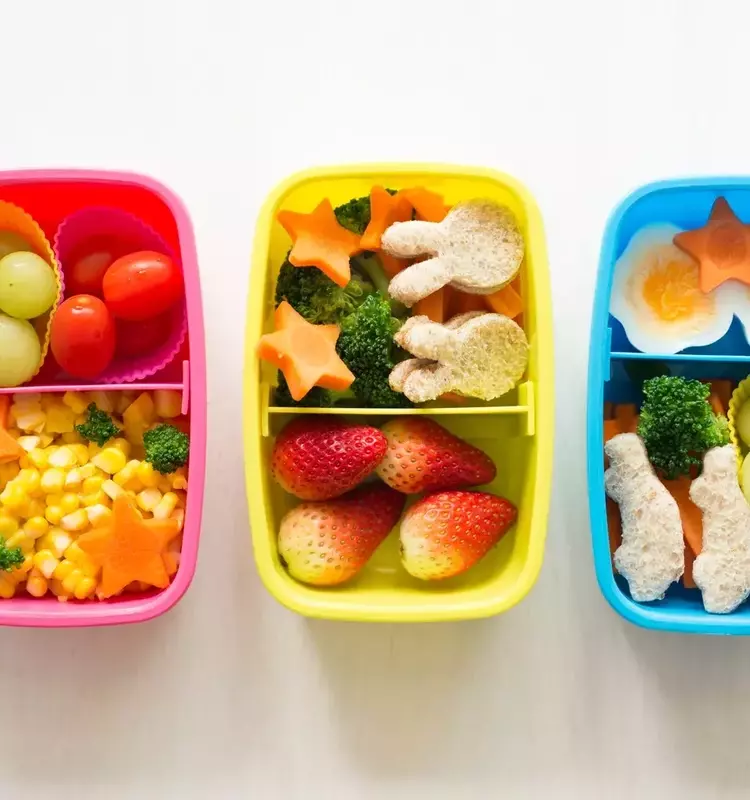
In today's fast-paced world, preparing a midday meal for children has evolved from a simple chore into an art form. Parents globally are innovating with vibrant designs, playful shapes, and delightful elements to encourage their little ones to finish their lunches, rather than sending untouched food back home.
The Art of the Appetizing Lunchbox: Expert Strategies for Nurturing Healthy Eaters
The daily ritual of packing school lunches has become increasingly complex for many families. Challenges range from managing selective palates and navigating strict school food policies to overcoming the pressures of social comparison among children's lunchboxes. This transformation has elevated lunch preparation into a significant undertaking, prompting many caregivers to embrace novel approaches to ensure their children receive adequate nourishment.
Jennifer Anderson, a registered dietitian and the visionary behind Kids Eat in Color, offers invaluable advice gleaned from her personal journey. When her eldest son faced difficulties with growth, she realized the necessity of innovative methods to guarantee his nutritional intake during school hours. Her solution involved introducing whimsical food cutters and charming lunch accessories, which successfully captured his attention and encouraged him to eat. Anderson's Instagram showcases her creative lunchbox designs, inspiring a community of over two million followers who share similar struggles and successes.
Beau Coffron, known as “The Lunchbox Dad” on social media, similarly found a unique way to connect with his daughter through elaborate lunch creations, such as a Storm Trooper sandwich. He emphasizes that these special lunches don't need to be a daily commitment, advocating for simple gestures like adding a thoughtful note or using cookie cutters for sandwiches. These small efforts, he believes, significantly strengthen parent-child bonds without requiring excessive time or artistic skill. Amy Palanjian of Yummy Toddler Food also champions empowering children to choose their lunchboxes and offering simple, familiar foods, complemented by notes or stickers, to foster a positive lunchtime experience.
Beyond aesthetics, the nutritional aspect of lunch is paramount. Research underscores its importance, indicating that skipping lunch can negatively impact overall diet quality more profoundly than skipping dinner. For children, a missed lunch can lead to fatigue, irritability, reduced cooperation, increased distraction, and even aggressive behavior. Therefore, providing a satisfying and appealing lunch is crucial for a child's academic success and emotional well-being throughout the school day.
When it comes to introducing new foods, experts suggest a thoughtful approach. Palanjian advises experimenting with novel ingredients at home, where parents have more control, and reserving lunchboxes for familiar, well-loved items. This strategy ensures children are comfortable and well-fed during the school day, allowing for a more relaxed exploration of new foods in a home environment. Anderson echoes this sentiment, acknowledging that school lunch environments can be loud or rushed, making it challenging for some children to eat. Offering familiar foods or involving children in lunch choices can be highly effective.
Furthermore, engaging children in discussions about school lunch options or reviewing the menu together can cultivate a healthy relationship with food. This broadens their understanding of variety and encourages positive food interactions. Ultimately, whether opting for an intricately designed bento box or a classic brown bag, the goal is to create a stress-free and enjoyable lunchtime routine that ensures children are well-nourished and happy.
The current trend of elaborate lunchbox preparation highlights a beautiful blend of parental dedication and creative problem-solving in the face of modern challenges. It underscores the profound impact that seemingly small efforts can have on a child's nutritional habits and emotional connection with their caregivers. By focusing on both the appeal and nutritional value of meals, parents are not just filling stomachs; they are nurturing healthy relationships with food and fostering a sense of joy and security in their children. This movement reminds us that every meal is an opportunity for connection and care, reinforcing the idea that thoughtful preparation, however simple or elaborate, speaks volumes of love.
