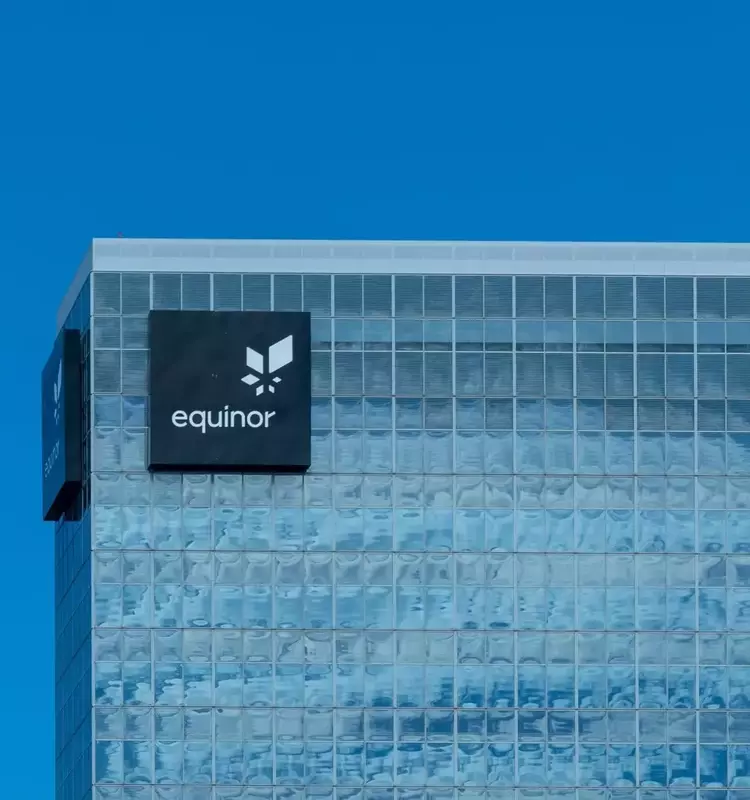
Equinor's Strategic Drift: A Missed Opportunity in Renewable Transition
Finance

Equinor's Strategic Drift: A Missed Opportunity in Renewable Transition

authorBy Lisa Jing
DateJun 17, 2026
Read time3 min

Equinor ASA, a prominent energy company, is currently at a critical juncture, navigating the complexities of its dual role as a leading natural gas supplier in Europe and an aspiring force in renewable energy. However, the company's strategic direction appears to be faltering, largely due to the pervasive influence of government ownership and a perceived lack of focus in its renewable energy investments. This has resulted in a dilution of its overall strategy and, consequently, an underperformance when compared to its industry rivals.

A recent Capital Markets Day event, held on June 16th to commemorate the company's 25th anniversary, underscored Equinor's continued commitment to integrated power. Despite previous losses incurred in the renewables sector, the company has earmarked a substantial 10% of its capital expenditure towards this segment through 2030. This allocation raises questions about the efficiency and prudence of its capital deployment, especially given the historical returns from these investments. The push towards integrated power, while seemingly progressive, risks diverting crucial resources and attention from its more profitable and established segments.

The backbone of Equinor's production growth lies in its robust oil and gas assets, particularly the Johan Sverdrup and Bacalhau fields. These assets continue to be significant drivers of its operational and financial performance, underpinning its market position. However, the company's strategic missteps in renewables, coupled with the overarching government influence, appear to be hindering its ability to fully capitalize on these strong core assets. This dichotomy creates a challenging environment for Equinor, where the potential of its traditional strengths is undermined by a less-than-optimal diversification strategy.

The persistent government involvement in Equinor's operations is a critical factor contributing to its strategic challenges. This influence can dictate investment choices and operational priorities, often leading to decisions that may not always align with maximizing shareholder value or achieving market-leading performance. The company's investments in entities like Ørsted and Scatec, while aimed at expanding its renewable footprint, have been scrutinized for their effectiveness and overall contribution to the company's bottom line. Such capital allocation decisions, driven by a blend of commercial and political motives, have further exacerbated its underperformance relative to its more agile and market-driven counterparts.

Considering these factors, the outlook for Equinor suggests a continuation of its current trajectory, marked by strategic ambiguity and lagging performance. The inherent conflict between its role as a state-influenced entity and its ambition to be a competitive global energy player creates a complex operational landscape. Without a clearer, more focused strategy that prioritizes profitable growth and optimizes capital allocation, Equinor may struggle to unlock its full potential and deliver superior returns to its investors in the long run. The company's journey through the energy transition requires a delicate balance of innovation, market responsiveness, and strategic discipline, areas where it currently faces notable hurdles.

More Articles
Finance
Leasing vs. Buying a Car: Which is Right for You?
Deciding between leasing and purchasing a car involves evaluating your driving habits, financial situation, and desire for ownership. Leasing offers lower monthly payments and frequent vehicle upgrades, ideal for those with low mileage and a preference for new models. Buying provides long-term equity, unlimited mileage, and customization options, suitable for those seeking ownership and value. This article explores the pros and cons of each option to help you make an informed decision for your next vehicle.
By Nouriel RoubiniJun 17, 2026
Finance
Navigating Market Shifts: Valuations, Policy, and Long-Term Debt Strategies
This analysis delves into the current state of core US equity markets, advocating for a 'Sell' rating due to inflated valuations, concentrated market leadership, and diminishing liquidity from corporate buybacks. It scrutinizes the potential impact of Kevin Warsh's appointment and quantitative tightening, suggesting that available policy tools and proposed regulatory changes could ultimately bolster US debt and lead to lower interest rates. The piece recommends reallocating capital towards long-duration US Treasuries (TLT and IEF), noting contracting short interest in these instruments as an indicator of shifting market sentiment towards a more favorable outlook for long-term US debt.
By Fareed ZakariaJun 17, 2026
Finance
Mastering the Debt Avalanche Strategy for Faster Debt Freedom
The debt avalanche method is a strategic approach to debt repayment that focuses on minimizing the total interest paid. This involves making minimum payments on all debts while directing any extra funds towards the debt with the highest interest rate. By tackling the most expensive debts first, individuals can accelerate their path to becoming debt-free and significantly reduce the overall cost of their borrowed money. This method is particularly effective for those with multiple debts and varying interest rates.
By Michele FerreroJun 17, 2026
Finance
Top Brokerage Account Bonuses for New Investors
The brokerage sector is highly competitive, with many firms offering attractive bonuses to new clients. This article highlights some of the best current promotions for opening investment accounts, including detailed information on bonus tiers, eligibility requirements, and restrictions from leading platforms like J.P. Morgan, E*TRADE, and TradeStation.
By Strive MasiyiwaJun 17, 2026
Finance
Globe Life: A Robust Business Model with Strong Shareholder Returns
Globe Life (GL) exhibits solid profit growth, a 17.9% return on equity, and significant capital allocation to shareholders, including a $610 million share repurchase plan for 2026. The company's life insurance division is a key profit driver, boasting a 41% underwriting margin, underpinning stable cash flows and high client retention. Despite a forward P/E of 10.7x reflecting renewed market confidence post-investigation, a high P/B ratio and modest dividend yield underscore the emphasis on share buybacks. Operational challenges like data security, rising administrative costs, and agent retention may temper future performance.
By Michele FerreroJun 17, 2026