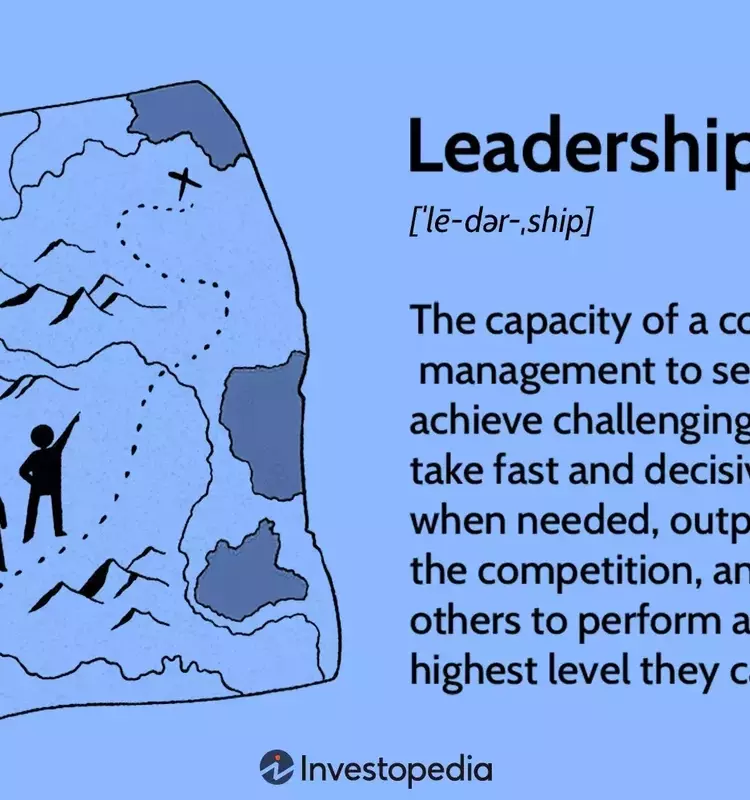
Leadership in the corporate sphere encompasses the capacity to steer, persuade, and energize individuals or teams to collectively achieve a shared goal or vision. It is more than just management; it's about shaping a company's culture, driving competitive advantage, and fostering an environment where employees can thrive and perform at their peak. Effective leaders possess a distinct blend of qualities that enable them to navigate complex challenges, inspire loyalty, and propel organizations toward sustained success.
The significance of leadership in business is profound, influencing every facet of an organization's operations. Leaders are instrumental in establishing strategic direction, formulating achievable objectives, and mobilizing their workforce to execute these plans. Their role extends beyond mere task allocation; they are mentors, motivators, and cultural architects. By setting a commendable example, exhibiting enthusiasm, and maintaining an eagerness for continuous learning, leaders can profoundly impact both individual and team performance, ultimately enhancing overall productivity and innovation within the enterprise.
Key attributes define truly effective leadership. Paramount among these are honesty, unwavering integrity, trustworthiness, and ethical conduct. Leaders must consistently align their actions with their words, thereby earning the respect and confidence necessary to guide others. Transparent and empathetic communication is equally vital; leaders engage actively with their staff, address concerns, and ensure that every team member feels heard and valued. This open dialogue not only resolves immediate issues but also cultivates a sense of belonging and shared purpose, driving the organization forward.
A visionary outlook is another cornerstone of strong leadership. Leaders are adept at foreseeing the company's future trajectory, identifying opportunities, and meticulously planning the steps required to realize that vision. They closely monitor industry developments, embrace calculated risks, and continuously seek avenues for growth and expansion. This forward-thinking approach enables organizations to remain agile and competitive in an ever-evolving market landscape.
Furthermore, inspiring optimism and providing robust support are hallmarks of productive leadership. Exceptional leaders infuse their teams with positive energy, demonstrating genuine concern for the well-being of their subordinates. When faced with adversity, they act as beacons of hope, offering reassurance and motivating their teams to overcome obstacles. They foster collaborative environments where individuals work harmoniously, optimizing collective efforts to achieve superior results efficiently.
The transformative power of effective leadership is vividly exemplified by Jack Welch's remarkable stewardship of General Electric from 1981 to 2001. Under his guidance, GE experienced exponential growth, with its market value skyrocketing from $12 billion to an impressive $410 billion by the time of his retirement. Welch's leadership philosophy was rooted in the unwavering belief that continuous change was inevitable and necessary. He challenged everyone within GE, from top management to frontline employees, to embrace constant reinvention and innovation, ensuring the company's operations evolved to meet new demands and generate greater output.
Welch strategically recruited managers who not only shared his overarching vision for GE but also possessed boundless energy and the ability to inspire profound employee engagement. He sought out leaders who were proactive in conceptualizing, developing, and refining novel ideas for the future, and critically, had the drive to transform these ideas into tangible realities. His insistence on managers working intimately alongside employees provided invaluable insights into their daily responsibilities and motivations. This hands-on approach, coupled with his empowering leadership style, led to increased employee autonomy and responsibility. Consequently, the quality of GE's products improved significantly, customer satisfaction soared, and profitability witnessed dramatic increases, cementing his legacy as a titan of industry.
Ultimately, leadership in the business realm demands strategic decision-making, the capacity to inspire peak performance, and the relentless pursuit of ambitious goals. Leaders who embody qualities such as honesty, integrity, and exceptional communication skills are pivotal in shaping a positive organizational culture. By demonstrating these characteristics, leaders, much like Jack Welch, can steer companies toward extraordinary achievements, all while fostering a dynamic environment that encourages innovation, collaboration, and continuous adaptation among their teams. This holistic approach to leadership is essential for navigating the complexities of the modern business world and ensuring sustained organizational triumph.
