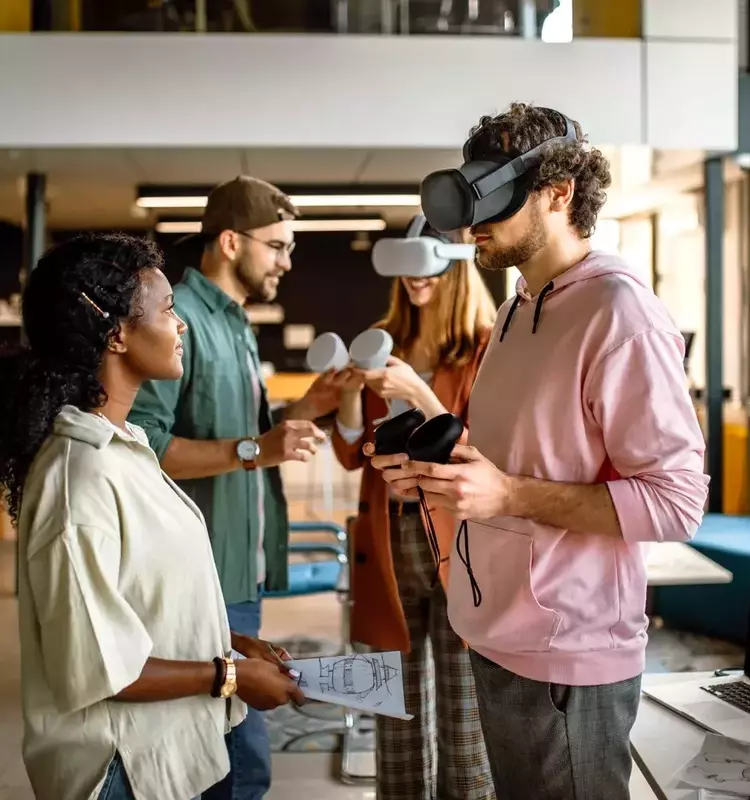
Wearable technology, often called wearables, represents a category of electronic devices that are either worn as accessories or seamlessly integrated into clothing. These devices leverage microprocessors and internet connectivity to gather and transmit various forms of data about the user. While their early applications primarily focused on consumer uses, the scope of wearables has expanded dramatically, particularly within the healthcare sector. They now serve critical functions such as monitoring chronic conditions, assisting in the early detection of diseases, and providing practical, hands-free solutions for managing health, fitness, and environmental factors. The continuous advancement of mobile networks and internet infrastructure has played a pivotal role in accelerating the adoption and integration of these innovative technologies into our daily lives.
Wearable technology encompasses a diverse range of electronic gadgets designed to be worn on the body. These devices, which can be as simple as an accessory or as intricate as something tattooed onto the skin, are characterized by their embedded microprocessors and internet connectivity. Their history can be traced back centuries, with early forms including eyeglasses from the 13th century and portable timepieces from the 16th century. However, modern wearables represent a significant leap forward, transforming from basic time-telling devices into sophisticated tools capable of complex data processing and communication. Examples span from contemporary fitness trackers that monitor physical activity to advanced virtual reality headsets that offer immersive digital experiences. Notably, their capabilities extend into critical areas like medical monitoring and other healthcare applications, demonstrating their versatility and profound impact across various domains.
The evolution of wearable technology has been significantly shaped by advancements in mobile networking and internet infrastructure. This progress has enabled wearables to become increasingly sophisticated, moving beyond simple timekeeping functions to incorporate advanced mobile applications. Early iterations of modern wearables, such as fitness trackers, quickly gained widespread popularity, paving the way for more integrated devices. Wristwatches, for instance, have transformed into 'smartwatches' that function as extensions of mobile phones, offering enhanced features and connectivity. Similarly, Bluetooth headsets and web-enabled glasses exemplify how these devices leverage Wi-Fi to facilitate seamless data exchange. The gaming industry has also embraced wearables, developing virtual reality and augmented reality headsets that promise immersive experiences and new forms of interaction. However, not all innovations have achieved universal success, as evidenced by past attempts such as Google Glass, which initially struggled to find a mainstream market despite its technological prowess.
While consumer applications initially dominated the wearable tech landscape, a clear shift towards more specialized and practical uses is now evident. One notable area of development is the integration of microchip implants, which are being explored as replacements for traditional keys and passwords. These tiny chips, embedded just beneath the skin, utilize near-field communication (NFC) or radio-frequency identification (RFID) technologies—similar to those used for tracking pets—to provide convenient and secure access. However, the most transformative applications of wearable technology are found in the medical field. These devices offer life-altering potential by providing continuous monitoring, early detection capabilities, and personalized healthcare solutions that were previously unimaginable. This pivot towards practical and specialized medical uses underscores the profound impact wearables are beginning to have on human health and well-being.
The medical and healthcare sectors have witnessed a rapid proliferation of wearable technology products in recent years. These innovations are designed to provide critical health insights and support for various conditions. For example, in Louisville, Kentucky, devices developed by AIR Louisville are utilized to monitor local air quality, detect pollutants, and pinpoint high-risk areas for individuals suffering from respiratory problems. Another groundbreaking example is the Cyrcadia Breast Monitor, an intelligent patch created by Cyrcadia Health that can identify early indicators of breast cancer and transmit this vital data to a laboratory for detailed analysis. Beyond detection, wearable medical alert monitors are significantly improving the mobility and independence of elderly and impaired individuals by providing immediate assistance when needed. Furthermore, cutting-edge research is exploring smart tattoos with flexible electronic sensors to monitor heart and brain activity, sleep patterns, and muscle function. Even temporary inks are being investigated for similar applications, showcasing the diverse and evolving nature of wearable medical technology. Smartwatches are also being adapted to track symptoms and transmit data for Parkinson's disease patients, enabling more tailored treatment plans.
Wearable technology stands as a dynamic and expanding component within the broader Internet of Things (IoT) ecosystem, finding increasingly diverse applications across numerous sectors. The continuous miniaturization of processors coupled with ubiquitous internet connectivity serves as the driving force behind its ongoing evolution. While early iterations often focused on fashion-oriented consumer accessories, the industry's trajectory has markedly shifted towards highly practical and specialized uses. Healthcare, in particular, has emerged as a key beneficiary, with wearables facilitating the development of sophisticated medical devices that possess transformative potential for human lives. Innovations such as Cyrcadia Health's Breast Monitor and AIR Louisville's environmental monitoring tools exemplify the tangible benefits these technologies offer. Crucially, persistent advancements in mobile network capabilities and data transfer speeds are opening new avenues, signaling a future where wearable technology will make even greater inroads into various other industries and aspects of daily life.
