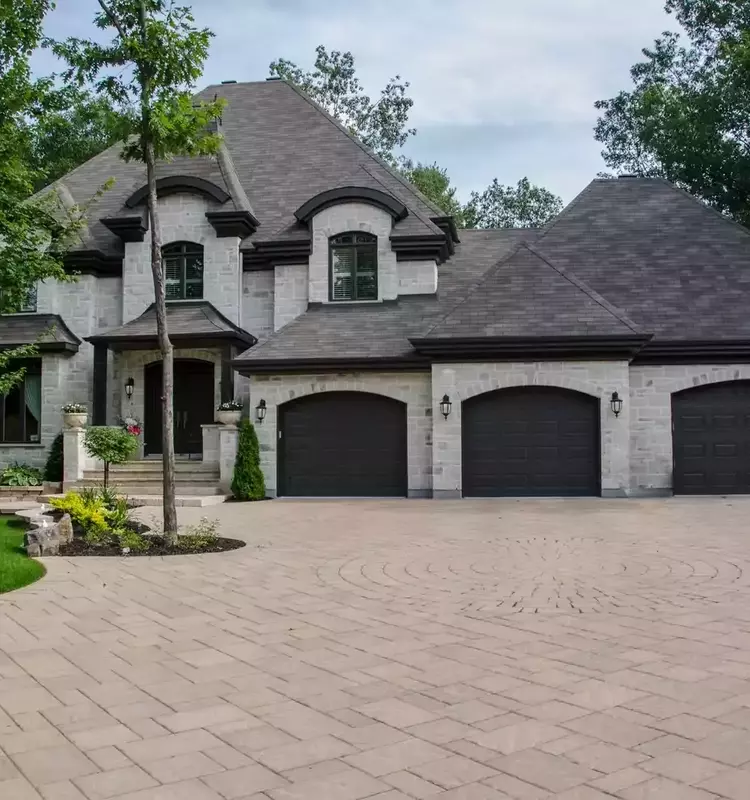
Initially, large residences, commonly referred to as “McMansions,” enjoyed widespread appeal. However, following the 2008 recession and the subsequent housing market downturn, these expansive suburban homes, typically built on compact lots, experienced a decline in popularity. Despite this, the trend for larger living spaces soon re-emerged, even amidst the growing interest in smaller dwellings like cottages and tiny houses. As of 2025, the average newly constructed home in the U.S. measured around 2,378 square feet, with McMansions ranging from 3,000 to over 6,000 square feet. The COVID-19 pandemic further intensified the demand for larger homes, especially those in rural settings offering outdoor amenities such as swimming pools and patios. The necessity for home offices and dedicated recreational areas became paramount due to remote work and schooling. Furthermore, owning a sizable home, particularly with a favorable mortgage rate, can represent a lucrative investment opportunity, though this choice comes with its own set of advantages and disadvantages.
The era of large homes, or “McMansions,” took off in the mid-1990s, with new constructions rapidly increasing in square footage. By 2004, when homeownership in the U.S. reached a peak of 69.2%, homes measuring 3,000 square feet were considered modest among new builds. These residences earned their somewhat derisive moniker due to their often uniform architectural style, close proximity on small plots, and a mass-produced quality, echoing the fast-food industry. Despite the negative connotation, their popularity soared. Not only did the homes themselves expand, but their interiors followed suit, featuring nine-foot ceilings (up from the standard eight feet in 2004) and sophisticated heating, ventilation, and air-conditioning systems with multiple zones. Even home furnishings became larger to complement these grand spaces, including professional-grade appliances and oversized furniture. The desire for more space and luxurious amenities in newly built homes is driven by various factors, including years of historically low interest rates, aggressive marketing from developers, and the recent pandemic, all contributing to the sustained demand for larger properties.
Opting for an expansive residence, while offering abundant interior space, lofty ceilings, and a definite “wow” factor, often entails compromises regarding the exterior. These large homes boast numerous windows, grand foyers, sweeping staircases, multi-car garages, gourmet kitchens, sunrooms, walk-in closets, and lavish master suites complete with spa-like bathrooms. Additional sought-after features include spacious pantries, dedicated laundry and media rooms, and home offices, alongside oversized garage doors, gas fireplaces, and extensive decks. However, this interior opulence frequently comes at the expense of external design, often characterized by repetitive designs, minimal landscaping, tightly packed lots, and often ostentatious exteriors where garages can seem as prominent as the living spaces. A common practice is the use of premium materials like brick or stucco on the front facade, with more economical vinyl siding on the sides and rear. Inside, open-plan layouts frequently incorporate formal living and dining areas that see little use. Despite their impressive appearance, large windows, high ceilings, double-height great rooms, and grand foyers can lead to considerable energy inefficiency and high heating and cooling costs. Moreover, strict community regulations often limit homeowners’ ability to personalize their outdoor spaces. For those considering a large new build, avoiding the “McMansion” stigma involves thoughtful planning, including selecting a location that complements the home’s scale, designing with an architect who respects neighborhood aesthetics, prioritizing quality materials throughout the entire structure (not just the facade), and ensuring the home’s footprint allows for ample outdoor space rather than extending to property lines. Thoughtful choices in design and materials can lead to a well-integrated, energy-efficient, and aesthetically pleasing large home that stands apart from the criticized McMansion trend.
