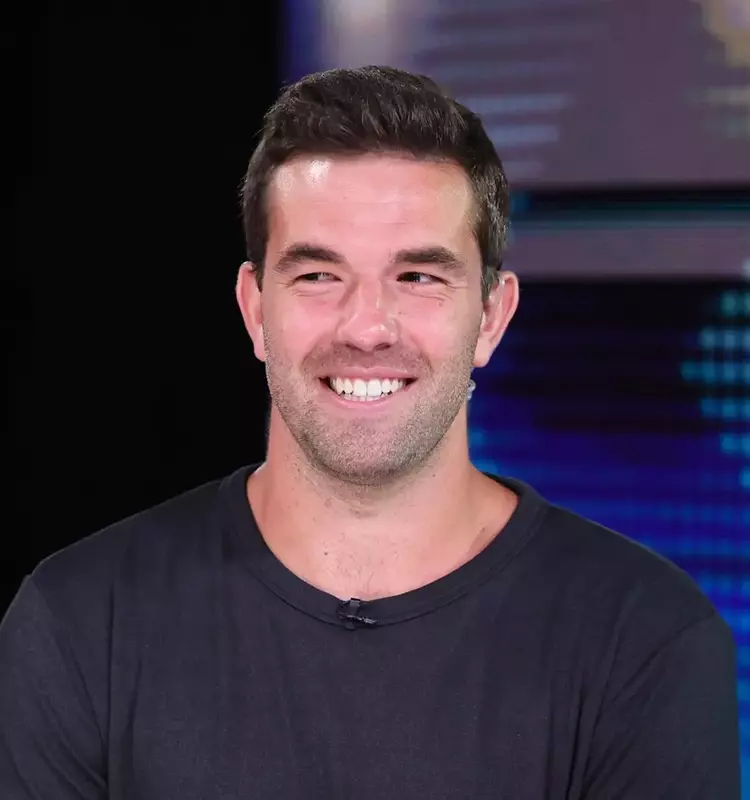
The saga of the infamous Fyre Festival has taken another unexpected turn, with its brand and all related intellectual property being auctioned off on eBay. This development marks a pivotal moment for a name synonymous with chaos and fraud, raising intrigue about what the future holds for this once-hyped, now-notorious event. The sale, orchestrated by the festival's founder, Billy McFarland, from behind bars, brings to light the persistent financial repercussions of his past misdeeds while hinting at a possible, albeit unlikely, resurrection for the tarnished brand.
The Unfolding Narrative: From Disastrous Debut to Digital Divestment
In a surprising move on July 15, 2025, at precisely 12:44:11 pm EST, Billy McFarland, the architect behind the notorious Fyre Festival, successfully offloaded the entire brand, including all associated trademarks, on eBay for a sum of $245,300. This digital divestment occurred as McFarland continues to grapple with a $26 million restitution order stemming from his wire fraud conviction. The considerable gap between the auction proceeds and his outstanding debt underscores the financial challenges he still faces, pushing him to seek further avenues for repayment.
For those unfamiliar with the catastrophic events of 2017, the original Fyre Festival was marketed as an opulent musical extravaganza set against the breathtaking backdrop of a Bahamian island. Promising a star-studded lineup featuring acts like Blink-182, Pusha T, Tyga, Desiigner, Major Lazer, Disclosure, and Migos, it captivated imaginations. However, attendees who arrived at the festival site were met with a stark reality: flimsy tents, a landscape akin to a refugee camp, and meager cheese sandwiches. It quickly became evident that McFarland and his co-investor, rapper Ja Rule, lacked the necessary financial resources, logistical capabilities, and expertise to execute such an ambitious event. The ensuing fallout triggered a barrage of lawsuits, culminating in McFarland's six-year incarceration.
Upon his release in 2022, McFarland audaciously announced plans for a second Fyre Festival. He publicly declared his intention to transform the brand's troubled past into a future success, envisioning Fyre as an annual, industry-dominating event. Yet, this attempted resurgence proved equally ill-fated, with the project being canceled before any attendees could arrive. Facing another wave of public skepticism and logistical hurdles, McFarland made the strategic decision to cut ties with the brand entirely.
The eBay auction included an intriguing array of assets: the Fyre Festival brand name, its social media accounts, "comprehensive marketing assets," domain names, "artist & talent relationships," an "extensive media coverage archive," and even "access to the core team (optional)." The identity of the winning bidder remains undisclosed, leaving many to ponder the true value and potential of these seemingly intangible assets. Questions abound regarding the transferability and practical utility of "artist and talent relationships" that were severely strained by the festival's original debacle. It seems highly improbable that artists who experienced humiliation and financial loss would feel obligated to collaborate with any new owner of a brand so deeply associated with past failures. Furthermore, the inclusion of "access to the core team (optional)" begs the question of why anyone would voluntarily seek counsel from individuals who previously demonstrated a profound inability to deliver on grand promises.
The nature of the "media coverage archive" also raises curiosity. Is it a curated collection of articles chronicling the festival's collapse, the subsequent legal battles, and the ill-fated attempt at a second iteration? If so, categorizing these as valuable assets prompts further contemplation on the metrics of brand value in the digital age.
As the dust settles on this latest chapter, the Fyre Festival dream, however unconventional, persists, now residing in the hands of a new, unknown owner with a quarter of a million dollars to spare. The world watches with bated breath, eager to witness what this new custodian will choose to do with a brand forged in ambition, shattered by ineptitude, and now, unexpectedly, reborn through a digital auction.
The story of the Fyre Festival serves as a potent reminder that branding, at its core, is built on trust and reliable delivery, not just grand promises and flashy marketing. While the auction of its intellectual property for a considerable sum might suggest lingering value, it also underscores the profound difficulty of rehabilitating a brand irrevocably damaged by public perception and legal repercussions. For future entrepreneurs and event organizers, the Fyre Festival saga remains a cautionary tale: true success is not merely in the vision, but in the meticulous planning, transparent execution, and ethical conduct that underpin it. The idea that a name, however infamous, can be bought and potentially resurrected, challenges our understanding of brand equity and the enduring impact of digital footprints. It leaves us to ponder: can a phoenix truly rise from the ashes of such a spectacular failure, or is some notoriety simply too ingrained to ever truly fade?