Following a short period of decline, gasoline prices across the United States have once again ascended, reaching levels not observed since July 2022. This resurgence is largely fueled by escalating tensions in the Middle East, specifically the conflict involving Iran, which has injected considerable uncertainty and volatility into the global crude oil market. The temporary optimism for a peaceful resolution that saw prices ease earlier this month has dissipated, leading to an abrupt reversal and pushing fuel costs higher.
Gasoline Prices Surge Across the Nation, Impacting Consumers Disproportionately
In recent days, the national average for regular gasoline has climbed by 12 cents, now standing at $4.23 per gallon, according to data from AAA. This figure surpasses the previous peak of $4.17 recorded on April 9th. This upward trend marks a significant shift from the relatively stable and lower prices experienced throughout December, January, and February, a period not seen in nearly five years. Since the end of February, when the Iran conflict intensified, prices have escalated by $1.25 per gallon, placing a renewed burden on consumers.
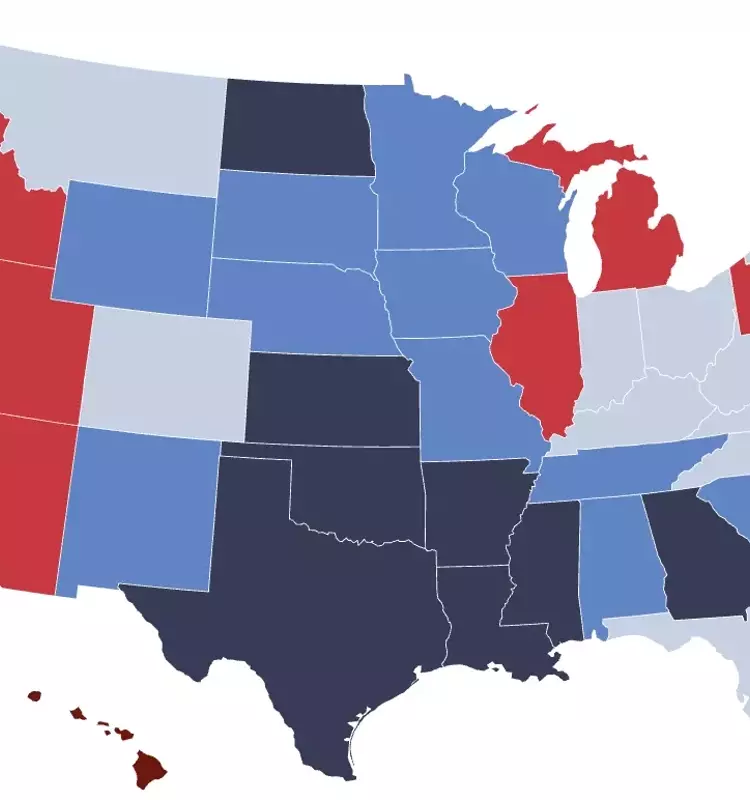
The impact of these rising costs is unevenly distributed across the country. While Hawaii and Arizona have seen relatively stable prices this week, other states like Indiana and Ohio have witnessed dramatic increases, with jumps exceeding 30 cents per gallon. Currently, Oklahoma boasts the lowest average price at $3.66 per gallon, with Georgia, Kansas, and Arkansas also maintaining prices below $3.75. Notably, all 50 states have reported average prices above $3 per gallon since March 11th. Conversely, five states are currently experiencing average prices above $5 per gallon, led by California at $5.98, followed by Hawaii, Washington, Oregon, and Nevada. The disparity between California and Oklahoma highlights the vast difference in fuel costs, amounting to a $2.32 per gallon gap. In total, 31 states, including Washington, D.C., are now facing average gasoline prices exceeding $4 per gallon.
Several factors contribute to these persistent regional price variations. State and federal fuel taxes play a significant role, accounting for over 14% of the average price per gallon in 2023. Geographic proximity to refineries and efficient pipeline networks also influence costs, with more isolated markets often experiencing higher prices due to increased transportation expenses. Furthermore, environmental regulations, such as California’s requirement for a specialized cleaner-burning gasoline blend, can add to production costs and drive up prices. These inherent cost differences are amplified during periods of sharp increases in crude oil prices, ensuring that even when global oil prices eventually decline, substantial price disparities across the U.S. are likely to persist.
The recent surge in gasoline prices underscores the sensitivity of global energy markets to geopolitical events. For consumers, particularly those with lower incomes, these rising costs can significantly strain household budgets. The volatility highlights the need for continued monitoring of international relations and energy policies, as they directly impact daily expenses. Understanding the various factors influencing gas prices, from global conflicts to local taxation and infrastructure, empowers individuals to make informed decisions about their transportation needs and budget management. This situation also serves as a reminder of the ongoing quest for energy independence and alternative fuel sources to mitigate the impact of such external shocks.
