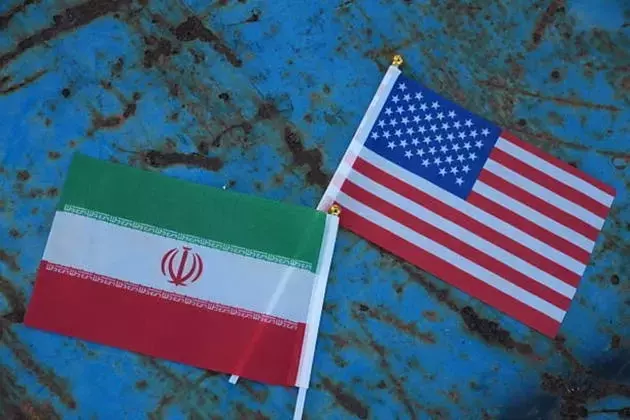
Recent global events highlight a complex interplay of geopolitical tensions, technological advancements, and shifts in consumer markets. From the delicate diplomatic dance between the United States and Iran to the dynamic landscape of artificial intelligence regulation and the surprising triumphs of the entertainment industry, the world stage is in constant flux.
Geopolitical challenges are prominently featured, with discussions surrounding the halted negotiations between the United States and Iran, exacerbated by President Trump's warnings regarding Hezbollah. This instability directly impacts global oil supplies and raises concerns about Middle East security. Simultaneously, the political arena in the United Kingdom is experiencing turmoil as Prime Minister Keir Starmer faces calls for a leadership transition. These political shifts can have profound effects on economic policy, energy regulations, and international trade relations. Meanwhile, China has implemented new trade restrictions on numerous U.S. companies, a direct response to Washington's expanded blacklist targeting Chinese tech firms. This tit-for-tat dynamic affects major players like Alibaba, Baidu, and BYD, creating an uncertain environment for cross-border business. The aluminum market, having navigated significant supply disruptions caused by regional conflicts, is now seeing a divergence of expert opinions on its future trajectory. While some anticipate shortages as inventories dwindle, others predict that increased production from China and Indonesia will mitigate long-term supply chain issues.
The technology sector is also experiencing rapid changes, particularly in the realm of artificial intelligence. Anthropic, an AI startup, recently saw a dramatic reversal in its standing with the U.S. White House, with President Trump initially expressing national security concerns but later softening his stance. This occurred after the company was compelled to take its latest AI models offline due to government directives, illustrating the intense scrutiny and evolving regulatory environment facing AI developers. In a related development, Microsoft's CEO, Satya Nadella, is championing a new approach to AI development, advocating for broader accessibility, reduced costs, and enhanced public trust rather than concentrating on ever-larger models built by a select few. This perspective aims to foster a more diverse ecosystem of AI systems, moving away from reliance on a handful of dominant providers. Amidst these geopolitical and technological narratives, the entertainment industry provides a contrasting note of success. Disney and Pixar's "Toy Story 5" achieved a franchise-record domestic debut, significantly boosting the North American box office and signaling a robust recovery in cinematic attendance.
These developments underscore the interconnectedness of global affairs, where political decisions can reverberate through economic markets, and technological innovations must navigate complex regulatory landscapes. The resilience displayed in the aluminum market and the success of "Toy Story 5" serve as reminders that even amidst uncertainty, there are opportunities for adaptation and growth. Moving forward, a balanced approach that embraces international cooperation, responsible technological development, and a commitment to innovation will be essential for navigating the evolving global challenges and fostering continued progress.
