Global Market Reactions and Geopolitical Oil Dynamics
Finance

Global Market Reactions and Geopolitical Oil Dynamics

authorBy Strive Masiyiwa
DateAug 26, 2026
Read time2 min

Despite widespread anticipation of a severe "economic D-Day," global markets have shown remarkable resilience, with only oil prices and the long end of the yield curve experiencing notable shifts. This unexpected calm prompts a closer examination of the underlying factors at play, particularly the intricate relationship between international sanctions, major economic powers, and global energy markets.

Global Economic Stability Amidst Geopolitical Tensions

As recent events unfolded, the financial world braced for significant turbulence. However, the broader markets exhibited a surprisingly stable demeanor. The price of Brent crude, a key global oil benchmark, settled in the mid-$80s per barrel, indicating a less dramatic reaction than many predicted. Concurrently, the long-term Treasury yield curve, after an initial spike, began to recede, especially for 30-year bonds. This muted response suggests that market participants may be interpreting recent geopolitical actions, such as sanctions, as a measure that could potentially avert more severe military confrontations, thereby reducing immediate risk premiums.

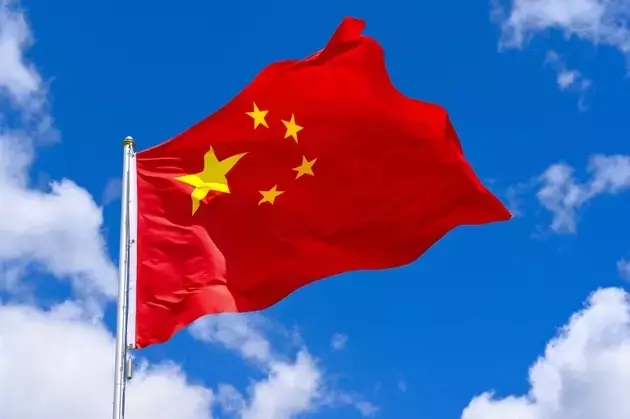
A crucial element in this dynamic is China's substantial role in Iran's oil trade. With approximately 90% of Iran's oil exports destined for China, any enforcement of sanctions against Iran inevitably becomes a complex issue involving Washington and Beijing. The upcoming meeting between President Xi and U.S. officials, reportedly scheduled for September 24th, underscores the high-stakes negotiations surrounding these economic and geopolitical interests. The establishment of a proposed Hormuz corridor by Iran and Oman further complicates matters, as it introduces potential conflicts with the U.S. Office of Foreign Assets Control (OFAC) regulations, posing risks to entities facilitating Iranian transit payments.

Given this intricate and evolving global landscape, many analysts advocate for a cautious investment approach. The absence of a clear "risk-on" catalyst, coupled with the ongoing geopolitical uncertainties, suggests that remaining on the sidelines might be a prudent strategy for investors navigating these complex market conditions.

The current market environment offers a compelling case study in how geopolitical tensions and economic policies interact on a global scale. The resilience of the broader markets, contrasted with the volatility in specific sectors like oil, highlights the nuanced ways in which international events are digested by investors. This scenario underscores the importance of a holistic understanding of global politics and economics when making investment decisions. The delicate dance between diplomatic efforts and economic pressures, particularly concerning major players like the U.S. and China, will continue to shape market trajectories, urging a watchful and adaptive investment philosophy.

More Articles
Finance
Walmart's Post-Earnings Decline: A Deeper Dive into Q2 '27 Performance
Walmart experienced a significant stock drop following its fiscal Q2 '27 earnings report, prompting concerns about consumer traffic and inventory management. This article examines the factors contributing to the decline, including sales growth lagging inventory increases and the perceived impact on the company's valuation in the consumer staples sector. It also briefly touches upon analysts' expectations regarding Walmart's future profitability and strategic shifts towards higher-margin revenue streams.
By Nouriel RoubiniAug 26, 2026
Finance
Federal Reserve's Communication Strategy Under Scrutiny at Jackson Hole
As Federal Reserve Chairman Kevin Warsh prepares for his debut at Jackson Hole, bond market jitters persist. Despite the Treasury Department's attempts to alleviate concerns about long-term yields through intervention plans, the market remains largely unconvinced. All eyes are now on Warsh to see if he will deviate from his current 'low-guidance' communication approach, a shift that could significantly impact future monetary policy expectations.
By Suze OrmanAug 26, 2026
Finance
CoreWeave's Growth Trajectory Amidst AI Infrastructure Surge
CoreWeave, Inc. has seen its backlog reach an impressive $104.2 billion, with an additional $25 billion in customer commitments secured early in Q3. The company's managed inference Annual Recurring Revenue (ARR) has dramatically increased from approximately $1 million to over $100 million, targeting more than $250 million by year-end. This growth is underpinned by A100 contracts extending into 2029, countering concerns about rapid GPU obsolescence impacting CoreWeave's asset economics. Furthermore, July saw a 25% price increase, with new contracts yielding contribution margins 5-10 percentage points higher than previous agreements. Despite these strong indicators, CRWV stock trades at 7.3 times forward EV/sales and 12.4 times forward EV/EBITDA, which is below the sector median.
By Suze OrmanAug 26, 2026
Finance
Kohl's: An Undervalued Retail Opportunity in a Volatile Market
In a market characterized by high valuations and uncertainty, Kohl's emerges as a compelling value investment. Despite recent sales declines, the company's Q2 results indicate improving trends, leading to an upgraded full-year outlook. With its stock down year-to-date, Kohl's presents an attractive entry point for investors seeking hidden gems in the retail sector.
By Lisa JingAug 26, 2026
Finance
Understanding Secured and Unsecured Debt: A Comprehensive Guide
This article explores the fundamental differences between secured and unsecured debt, highlighting their respective advantages and disadvantages. Secured debt, backed by collateral, generally offers lower interest rates and easier approval, while unsecured debt relies on creditworthiness and typically carries higher rates. Understanding these distinctions is vital for making informed borrowing and investment decisions, ensuring financial stability and optimal resource management.
By Morgan HouselAug 26, 2026