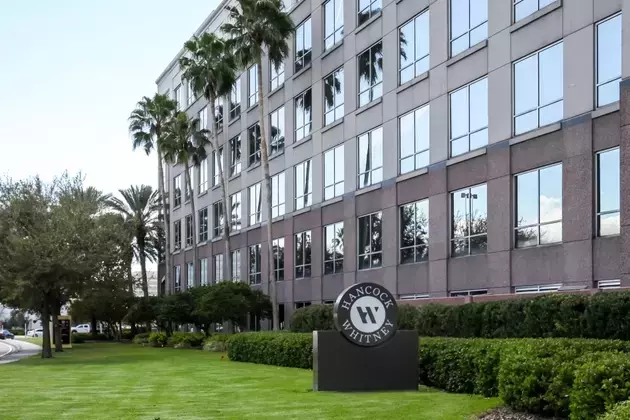
Hancock Whitney (HWC) has seen its shares rise by approximately 22% over the last year, demonstrating a solid performance trajectory. The financial institution has actively pursued strategic mergers and acquisitions, including a recent notable acquisition, as it endeavors to enhance its market presence in its key operational territories of Florida and Texas.
Hancock Whitney's Strategic Expansion and Financial Outlook
Hancock Whitney, a prominent financial institution, has recently made strategic moves that signal a period of growth and increased investor confidence. The company's stock, trading under the ticker HWC, has been upgraded to a "Buy" rating, reflecting an anticipated 13% upside potential. This optimistic outlook is largely attributed to its recent merger and acquisition (M&A) activities and a current market valuation that appears to be below its intrinsic worth.
A significant development in Hancock Whitney's expansion strategy is the acquisition of OFB Bancshares for an all-cash consideration of $378 million. This move is designed to bolster HWC's presence in the lucrative Florida market. The acquisition is underpinned by Hancock Whitney's strong capital reserves, enabling it to pursue growth opportunities while simultaneously targeting substantial cost synergies from the integration of OFB Bancshares. Management anticipates these synergies to contribute positively to the company's financial performance.
Following this strategic acquisition, Hancock Whitney plans to reallocate its capital. While the company is committed to maintaining a stable dividend for its shareholders, share buybacks are expected to be temporarily suspended. This pause in buybacks is a measured approach to allow the company's Common Equity Tier 1 (CET1) capital ratio to return to its normalized levels, a process projected to conclude by late 2027. This capital management strategy aims to ensure long-term financial stability and sustainable growth.
Looking ahead, Hancock Whitney has provided a clear financial guidance. The company projects a mid-single-digit loan growth, indicating a healthy expansion of its lending activities. Deposit growth is expected to remain flat, suggesting a stable funding base. Furthermore, the company forecasts an Earnings Per Share (EPS) of $6.40 for 2024, with a projected increase to approximately $7 by the year 2027. These projections highlight Hancock Whitney's confidence in its operational strategies and its ability to generate value for its investors.
The strategic acquisition and positive financial projections position Hancock Whitney for continued success. The company's focus on expanding its market share in key regions, coupled with prudent capital management and a clear growth trajectory, makes it an attractive investment prospect.
The recent developments at Hancock Whitney offer valuable insights into the dynamics of regional banking and strategic growth. The decision to acquire OFB Bancshares, particularly through an all-cash transaction, underscores the importance of a strong capital position in pursuing expansion. It highlights how well-capitalized banks can leverage M&A to deepen market penetration and achieve economies of scale. The temporary cessation of share buybacks, while maintaining a stable dividend, demonstrates a commitment to shareholder returns balanced with prudential capital management. This approach allows the company to digest the acquisition and restore capital ratios without unduly impacting investor confidence. For investors, it reinforces the idea that strategic long-term growth often involves short-term adjustments in capital allocation. The projected loan growth and EPS figures serve as a reminder that fundamental financial health and clear future guidance are crucial indicators for assessing a company's investment appeal. Overall, Hancock Whitney's trajectory suggests that strategic, well-executed M&A can be a powerful catalyst for enhancing shareholder value and market position in the banking sector.
