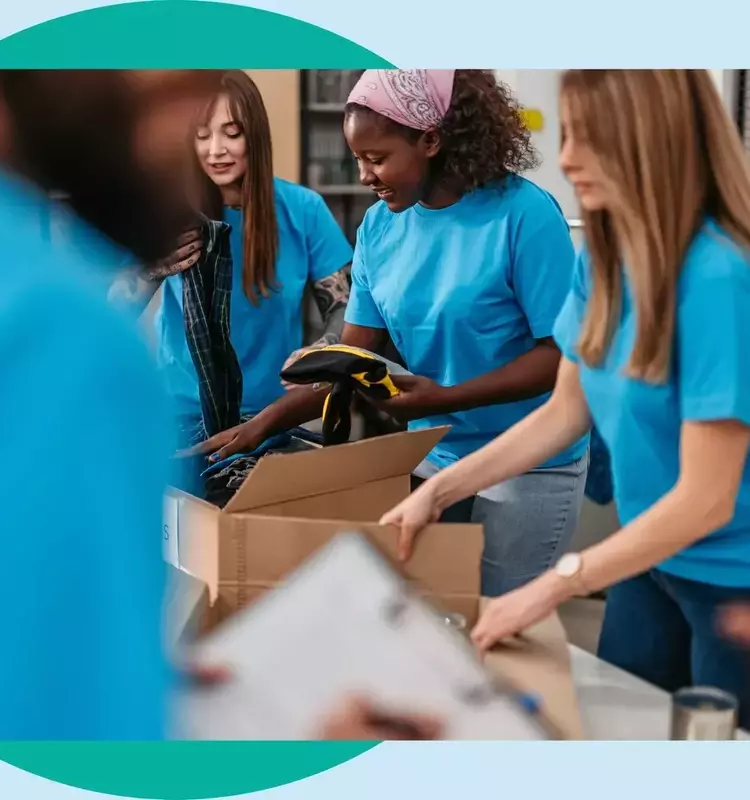
A recent academic inquiry sheds light on the profound influence of high school extracurricular engagements on the development of compassion and selflessness among young people. The findings suggest that these activities are not merely avenues for skill acquisition or social interaction but are crucial in cultivating empathetic individuals prepared to contribute positively to society. Furthermore, the study delineates the types of extracurriculars that most effectively foster these pro-social behaviors, underscoring the role of community service and collaborative endeavors.
High School Extracurriculars: A Pathway to Empathy and Altruism
In a groundbreaking study conducted by researchers at Rutgers University, the impact of high school extracurricular activities (ECAs) on the development of altruistic tendencies and compassion in teenagers was rigorously examined. The study, which tracked 2,710 individuals from birth into adulthood, revealed that high school students actively involved in ECAs were nearly twice as likely to exhibit altruistic behaviors during periods of crisis, such as the recent pandemic. Dr. Chien-Chung Huang, an associate dean at Rutgers University and a key author of the study, emphasized the novelty of this research in exploring how these activities extend beyond traditional benefits like skill-building and confidence, potentially nurturing a sense of responsibility towards others during challenging times. He noted that while all ECAs offer some developmental advantages, those with a strong emphasis on service or teamwork yielded the most significant gains in empathy.
The research highlighted a particularly strong correlation between volunteering and altruistic acts, encompassing everything from financial contributions to providing care and encouragement. Other group-oriented activities, including school clubs, performance arts like choir or theater, and hobby groups, also showed a positive influence on students' willingness to assist others. Conversely, competitive sports demonstrated limited effects on fostering altruism, a finding that initially surprised the research team. Dr. Huang speculated that the inherent competitive nature of sports might overshadow the development of community service or empathetic elements unless such aspects are deliberately integrated. Dr. Scott Roth, a psychologist and founder of Applied Psychological Services of New Jersey, concurred, suggesting that activities centered on power imbalances, such as winning games, might not inherently prime individuals for altruistic thinking.
For parents navigating these choices, Dr. Huang advises prioritizing activities that promote community involvement and teamwork. He specifically recommends volunteering, student government, and group performance activities as effective means to cultivate leadership, collaboration, and a sense of care for others—qualities essential for responsible adulthood. Dr. Roth further added that the earlier children are exposed to altruistic modeling, the better. While young children might not fully participate in formal service, observing parents engaging in acts of kindness without expectation of reciprocity can have a profound and lasting impact on their development of empathy. Ultimately, the study concludes that fostering empathy doesn't necessitate a singular approach but rather providing diverse opportunities for young people to connect, contribute, and recognize their place within a larger community, thereby nurturing them into compassionate adults.
This research underscores a crucial aspect of youth development: the cultivation of empathy and altruism through structured activities. As society grapples with complex global challenges, fostering a generation of compassionate individuals becomes paramount. This study provides a valuable framework for educators, parents, and policymakers to consider when designing programs and encouraging participation in extracurriculars. It highlights that the true measure of these activities lies not just in personal achievement, but in their capacity to shape responsible, caring citizens who are willing to look beyond themselves and contribute to the collective good.
