Embrace Your Current Abode: Upgrade, Don't Upheave!
The Rising Tide of Home Improvements in the UK
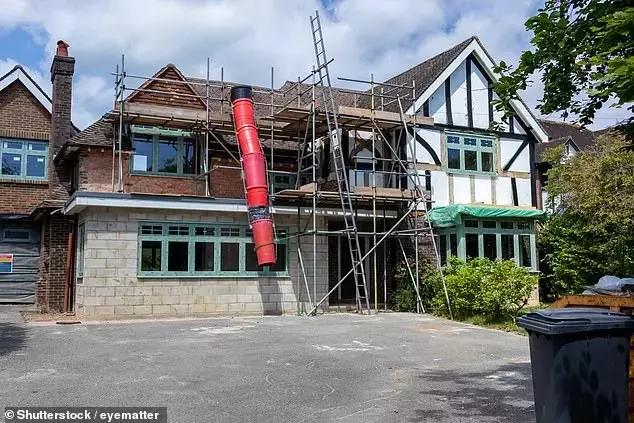
Recent data indicates a significant inclination among British homeowners towards property enhancements. A substantial 1.7 million homes in England and Wales, representing approximately one in fifteen, have undergone considerable structural modifications, evidenced by official improvement records. These enhancements range from adding extensions to undertaking major renovation projects, distinct from mere redecoration.
Economic and Emotional Factors Driving Renovation Choices
The decision to renovate over relocate is multifaceted, largely influenced by the escalating expenses associated with moving. High property valuations, coupled with stamp duty and increasing mortgage interest rates, render the process of buying and selling a home an increasingly formidable financial challenge. Beyond monetary considerations, the emotional toll of moving—including the disruption of packing, navigating complex property chains, and the stress of property viewings—serves as a powerful deterrent. Many homeowners also express a deep emotional connection to their existing homes and the communities they inhabit, which further solidifies their choice to stay and improve.
Understanding Property Improvement Indicators
The Valuation Office Agency (VOA) employs 'improvement indicators' to denote significant structural alterations to a property, such as the construction of an extension or extensive renovation work. It's important to note that these indicators are not applied for cosmetic changes. A property's council tax band, while reflecting its value, is not immediately reassessed following improvements. This adjustment typically occurs only when the property is sold or during a general revaluation, preventing homeowners from being financially penalized for enhancing their residences.
Navigating the Renovation Process: Key Considerations
For those contemplating significant home improvements, several crucial steps are advisable. Homeowners should promptly inform their insurance providers about planned works, especially if the property will be vacant for extended periods, to ensure continued coverage. Additionally, consulting the Government's planning portal and engaging with local planning authorities is essential. While certain developments, like small extensions or loft conversions, may fall under permitted development rights and not require full planning permission, specific conditions and local regulations, particularly for listed buildings or properties in conservation areas, must be observed. In cases of uncertainty, applying for a lawful development certificate can provide official confirmation regarding planning requirements.
The Costs and Challenges of Renovation
While renovating offers a viable alternative to moving, it is not without its own financial implications. Since late 2019, the average price of construction materials has surged by over a third, according to government statistics, making renovation projects increasingly expensive. Furthermore, securing skilled and dependable tradespeople to execute work efficiently and to a high standard can be a considerable challenge in the current market.
Why Homeowners Prioritize Renovation Over Relocation
Research indicates that both practical and emotional motives underpin the widespread preference for renovation. A significant portion of homeowners (40%) are deterred by the sheer stress of moving, including logistics like packing and dealing with property chains. An even larger percentage (over 30%) cite a profound emotional bond with their homes and a strong sense of community belonging as key reasons for staying put. These emotional ties often outweigh purely financial considerations like removal and legal fees, highlighting the deep personal value many attach to their living spaces and established environments. As a broadcaster on home improvement topics, Clive Holland notes that renovations empower individuals to tailor their current living spaces to evolving needs, such as creating home offices or expanding living areas, thereby enhancing both functionality and property value without the upheaval of a move.